تصعيد دبلوماسي رياضي.. بروكسل تضغط على الفيفا بسبب سلامة مشجعي كأس العالم

حذّر مفوض الاتحاد الأوروبي للرياضة جلين ميكاليف من «غياب ضمانات كافية» لسلامة الجماهير الأوروبية المتوقع توجهها إلى الولايات المتحدة لحضور كأس العالم 2026، متهمًا رئيس الاتحاد الدولي لكرة القدم (فيفا) جياني إنفانتينو بعدم بذل الجهد الكافي لتوفير تطمينات واضحة.
وقال ميكاليف في تصريحات حصرية لموقع «بوليتيكو» اليوم الثلاثاء: «رئيس الفيفا بحاجة إلى بذل مزيد من الجهود»، مشيرًا إلى أن مطالبه السابقة بتقديم ضمانات أمنية ملموسة لم تلقَ ردًا رسميًا حتى الآن.
وأرجع المفوض المالطي تصاعد القلق الأوروبي إلى الوضع الأمني المتوتر عالميًا، لا سيما مع استمرار التوترات العسكرية الأمريكية في الشرق الأوسط، ومشاركة سلطات الهجرة الأمريكية في خطط تأمين الفعاليات، مؤكدا أن «من حق الجماهير الحصول على ضمانات واضحة من منظور الأمن والسلامة».
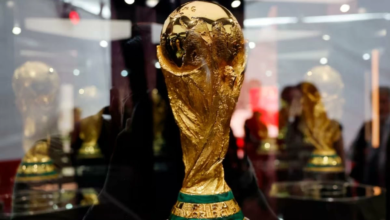
وتستضيف الولايات المتحدة وكندا والمكسيك البطولة التاريخية التي تنطلق في 11 يونيو القادم بمشاركة 48 منتخبًا، من بينها 16 منتخبًا أوروبيًا مرشحًا للتأهل، وتمتد المخاوف الأوروبية أيضًا إلى مستوى الأمن داخل بعض المدن المكسيكية المستضيفة، فضلاً عن سجل حوادث العنف السابقة في الولايات المتحدة.
وشدد ميكاليف على أن «المسؤولية الأساسية لحماية الجماهير تقع على عاتق الفيفا والجهات المنظمة»، مضيفًا أن تنظيم حدث بهذا الحجم «يتطلب ضمان بيئة آمنة للفرق والمشجعين على حد سواء».
في المقابل، أكد متحدث رسمي باسم الفيفا أن «سلامة المشاركين والجماهير تمثل أولوية قصوى»، معبرًا عن ثقة الاتحاد في قدرة الدول الثلاث المضيفة على توفير أجواء آمنة للبطولة.
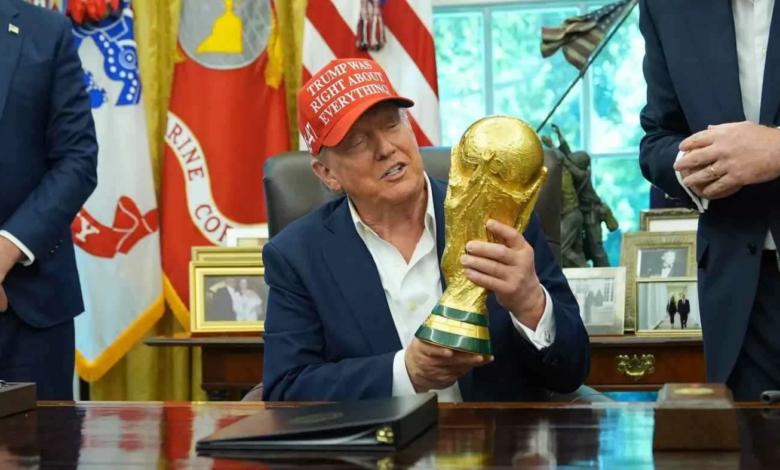
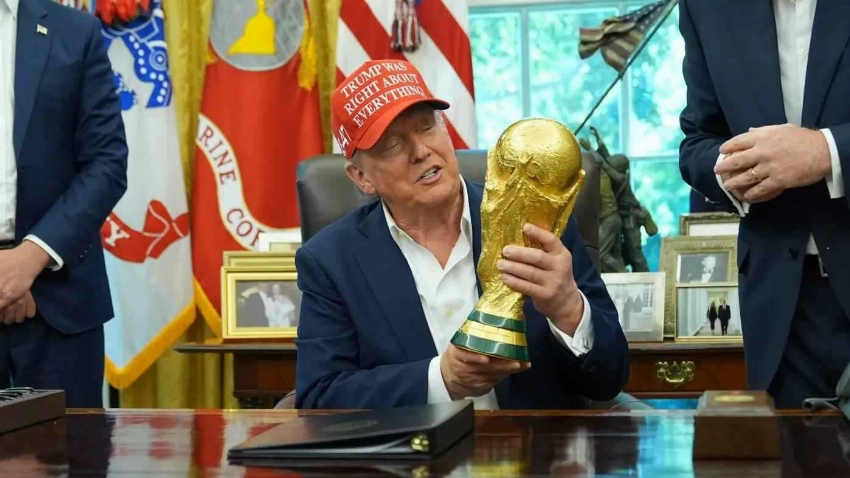
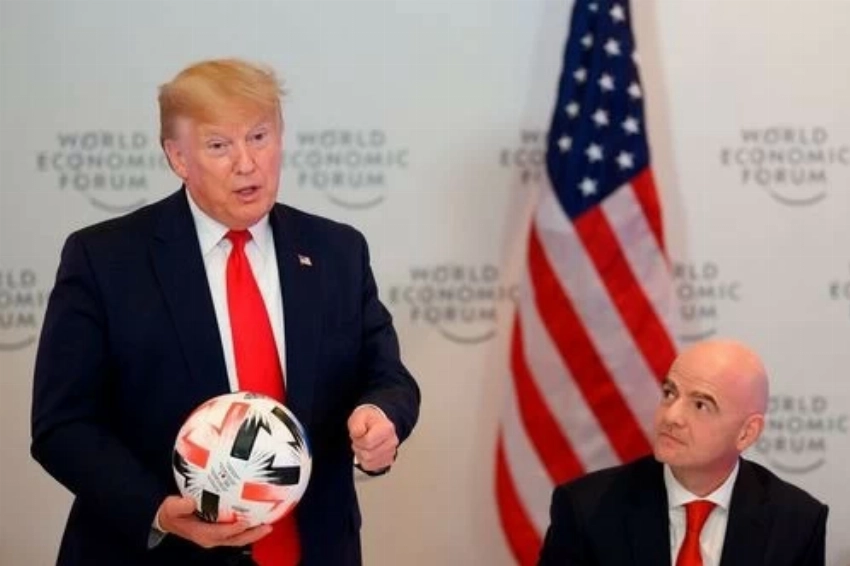
ولم تقتصر انتقادات المفوض الأوروبي على البعد الأمني، بل امتدت إلى شراكات الفيفا الدولية، خصوصا تعاونها مع مبادرات مدعومة من الرئيس الأمريكي دونالد ترمب، معتبرًا أن ذلك يثير تساؤلات حول التزام الاتحاد بالنظام الدولي القائم على القواعد. وفضّل ميكاليف التعاون مع منظمات مثل اليونسكو واليونيسف بدلاً من المبادرات أحادية الجانب.
واختتم تصريحاته بدعوة إلى فتح قنوات حوار بناءة بين الاتحادات الرياضية والجهات المعنية، لتجنب التصعيد إلى نزاعات قانونية، وضمان إقامة البطولات الكبرى في مناخ آمن ومستقر.
The European Union Commissioner for Sports, Glen McKaliff, warned of the “lack of sufficient guarantees” for the safety of European fans expected to travel to the United States for the 2026 World Cup, accusing FIFA President Gianni Infantino of not making enough effort to provide clear reassurances.
McKaliff stated in exclusive remarks to Politico today, Tuesday: “The FIFA president needs to make more efforts,” noting that his previous demands for concrete security guarantees have not received an official response so far.
The Maltese commissioner attributed the rising European concern to the globally tense security situation, especially with the ongoing U.S. military tensions in the Middle East, and the involvement of U.S. immigration authorities in event security plans, emphasizing that “fans have the right to receive clear guarantees from a security and safety perspective.”
The United States, Canada, and Mexico will host the historic tournament, which kicks off on June 11 with the participation of 48 teams, including 16 European teams expected to qualify. European concerns also extend to the level of security within some of the host cities in Mexico, as well as the record of previous violence incidents in the United States.
McKaliff stressed that “the primary responsibility for protecting fans lies with FIFA and the organizing bodies,” adding that organizing an event of this magnitude “requires ensuring a safe environment for both teams and fans.”
In contrast, a FIFA spokesperson confirmed that “the safety of participants and fans is a top priority,” expressing the federation’s confidence in the three host countries’ ability to provide a safe atmosphere for the tournament.
The European commissioner’s criticisms were not limited to the security aspect but also extended to FIFA’s international partnerships, particularly its collaboration with initiatives backed by U.S. President Donald Trump, considering that this raises questions about the federation’s commitment to the rules-based international order. McKaliff preferred cooperation with organizations like UNESCO and UNICEF instead of unilateral initiatives.
He concluded his remarks by calling for the opening of constructive dialogue channels between sports federations and relevant parties to avoid escalation into legal disputes and ensure that major tournaments are held in a safe and stable environment.