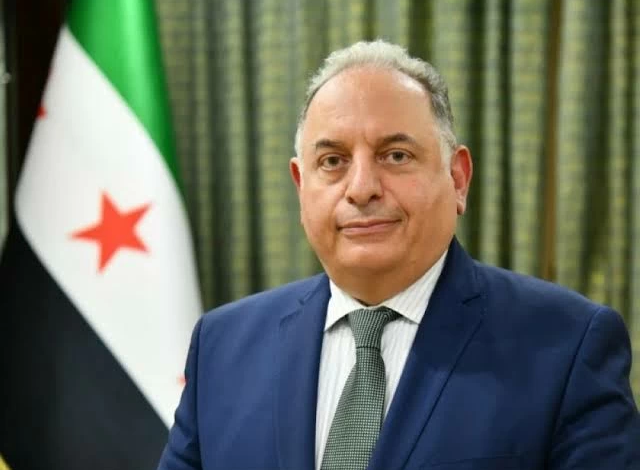

وقال برنية: “إن الوزارة لن تسمح بالتهرب الضريبي باعتباره جريمة بحق المجتمع، وإذا كان لذلك ما يبرره في السابق، فاليوم هو جرم أخلاقي قبل أن يكون مالياً، لأن المتهرب ضريبياً يعيق إنشاء مدرسة أو إصلاح طريق أو ترميم مشفى”.
سلوك متواتر
وأكد برنية أن بناء الثقة والشراكة مع قطاع الأعمال مسار طويل يحتاج إلى وقت بعد سنوات من الفساد، مشيراً إلى أن المسؤوليات مشتركة بين الوزارة والقطاع الخاص.
وأوضح أن الوزارة تابعت منذ معاودة تحصيل السلفة الضريبية البيانات الجمركية باستخدام تقنيات حديثة ومنصات عالمية، ورصدت سلوكاً متواتراً لدى العديد من المستوردين بتقديم بيانات غير دقيقة.
وأضاف برنية: “حيث إننا نؤمن بالحوار والتواصل لبناء الثقة، خاطبت اليوم غرف التجارة والصناعة لحثهم على تنبيه أعضائهم ومنحهم فرصة أخرى للتصويب وتصحيح هذه الثقافة، وإذ ننشر هذه المخاطبة، فهدفنا من جراء ذلك هو التوعية والتصحيح لا العقاب، الذي نرجو ألا نلجأ إليه”.
عمليات تدقيق
وشدد على أن محاولات إخفاء القيم الحقيقية مرصودة بالكامل أمام الإدارة الضريبية، وأن تخفيض قيم الواردات ورقم الأعمال المرتبط بها يعد تهرباً ضريبياً يخضع للعقوبات القانونية، ما لم يبادر المكلف إلى تعديل ذاتي لرقم أعماله قبل اكتشاف المخالفة.
وأشار إلى أنه بدءاً من أكتوبر القادم ستباشر الوزارة عمليات التدقيق على بيانات الاستيراد المنظمة بعد هذا التاريخ، وستعامل الحالات المكتشفة كحالات تهرب ضريبي، مع نشر قائمة بأسماء المتهربين.
The Syrian Minister of Finance, Mohammad Barniyah, called on the unions of chambers of commerce and industry to enhance tax compliance after observing that some importers submitted invoices with reduced values in their import declarations, which led to a decrease in the amounts of the tax advance collected on their imports.
Barniyah stated: “The ministry will not allow tax evasion as it is a crime against society. If there were justifications for it in the past, today it is a moral crime before it is a financial one, because the tax evader hinders the establishment of a school, the repair of a road, or the renovation of a hospital.”
Recurring Behavior
Barniyah emphasized that building trust and partnership with the business sector is a long process that requires time after years of corruption, pointing out that responsibilities are shared between the ministry and the private sector.
He explained that the ministry has been monitoring customs data since the resumption of collecting the tax advance using modern technologies and global platforms, and has observed a recurring behavior among many importers in submitting inaccurate data.
Barniyah added: “As we believe in dialogue and communication to build trust, I addressed the chambers of commerce and industry today to urge them to alert their members and give them another opportunity to correct and amend this culture. By publishing this communication, our goal is awareness and correction, not punishment, which we hope not to resort to.”
Audit Operations
He stressed that attempts to conceal true values are fully recorded in front of the tax administration, and that reducing the values of imports and the associated turnover constitutes tax evasion subject to legal penalties, unless the taxpayer takes the initiative to self-correct their turnover before the violation is discovered.
He indicated that starting from next October, the ministry will begin audit operations on import data organized after this date, and cases discovered will be treated as tax evasion cases, with a list of tax evaders published.