
الطلب والأسعار
وقال باركين في تصريحات أُعدت لإلقائها أمام غرفة التجارة في «جرينفيل»: «لغز التضخم لا يتمثل في ما إذا كان التضخم سيعود إلى مستهدفنا البالغ 2% أم لا، فقد أوضحت اللجنة الفيدرالية للسوق المفتوحة التزامها بتحقيق ذلك، والسؤال هو: كيف سيصل التضخم إلى هذا المستوى؟ هل سيحتاج الاحتياطي الفيدرالي إلى رفع أسعار الفائدة، أم أن التضخم يسير بالفعل في مسار نحو المستهدف؟».
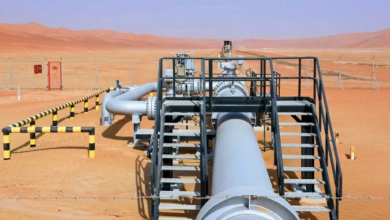
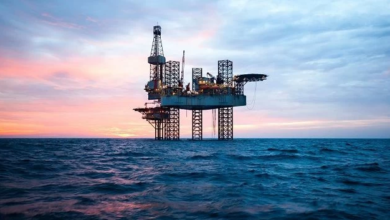
وأشار باركين إلى أن «جزءاً كبيراً من مستويات التضخم المرتفعة الحالية ناتج عن صدمات، ومن المفترض أن تتلاشى»، بما في ذلك ارتفاع الرسوم الجمركية وأسعار النفط، إلى جانب قفزة الطلب والأسعار على مستلزمات العمالة والمواد اللازمة للتوسع في قطاع الذكاء الاصطناعي.
وأضاف باركين أنه مع تراجع هذه الضغوط، فإن «المستوى الحالي لأسعار الفائدة، وفقاً لرأي كثيرين، لا يزال مرتفعاً بما يكفي لتقليص التضخم».
أمر مرجح
ورغم أن باركين لم يعلق على ما إذا كان يرى أن رفع أسعار الفائدة أمر مرجح، فإنه أشار أيضاً إلى مخاوف من أن التضخم الحالي الذي يتجاوز المستهدف «أصبح أكثر ترسخاً»، في ظل مخاطر استمرار مشكلات سلاسل الإمداد، واحتمال استمرار استثمارات الذكاء الاصطناعي لفترة كافية لمواصلة دفع الأسعار إلى الارتفاع.
وأفاد أن استمرار التضخم فوق المستهدف منذ عام 2021 يثير أيضاً مخاطر حدوث «تحول صعودي في توقعات الشركات والمستهلكين للأسعار»، وهو ما قد يدفع التضخم إلى الارتفاع، وربما يجعل رفع أسعار الفائدة أمراً ضرورياً.
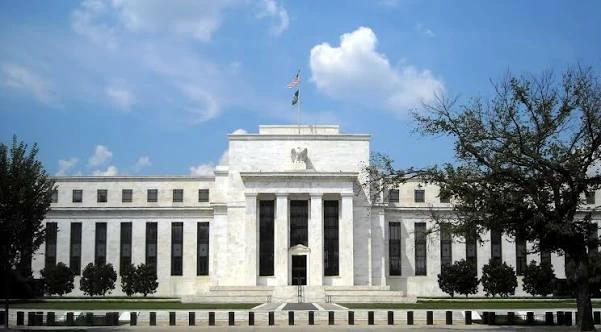
The President of the Federal Reserve Bank of Richmond, Tom Barkin, stated today that it remains unclear whether the U.S. Federal Reserve will need to raise interest rates to bring inflation back to the central bank’s target of 2%, pointing to several reasons to believe that price pressures will ease on their own.
Demand and Prices
Barkin said in prepared remarks to be delivered before the Greenville Chamber of Commerce: “The mystery of inflation is not whether inflation will return to our target of 2%, as the Federal Open Market Committee has made its commitment to achieving that clear, but the question is: how will inflation reach that level? Will the Federal Reserve need to raise interest rates, or is inflation already on a path toward the target?”
Barkin noted that “a large part of the current high levels of inflation is due to shocks, which are expected to fade,” including rising tariffs and oil prices, along with a surge in demand and prices for labor supplies and materials necessary for expansion in the artificial intelligence sector.
He added that as these pressures ease, “the current level of interest rates, according to many, is still high enough to reduce inflation.”
A Likely Scenario
Although Barkin did not comment on whether he sees a rate hike as likely, he also pointed to concerns that the current inflation exceeding the target “has become more entrenched,” amid risks of ongoing supply chain issues and the possibility that investments in artificial intelligence may continue long enough to keep pushing prices higher.
He indicated that the persistence of inflation above the target since 2021 also raises the risk of a “upward shift in businesses’ and consumers’ price expectations,” which could drive inflation higher and possibly make raising interest rates necessary.