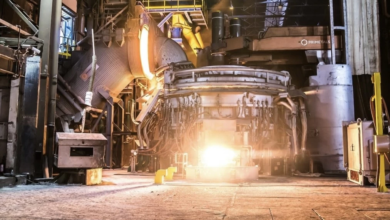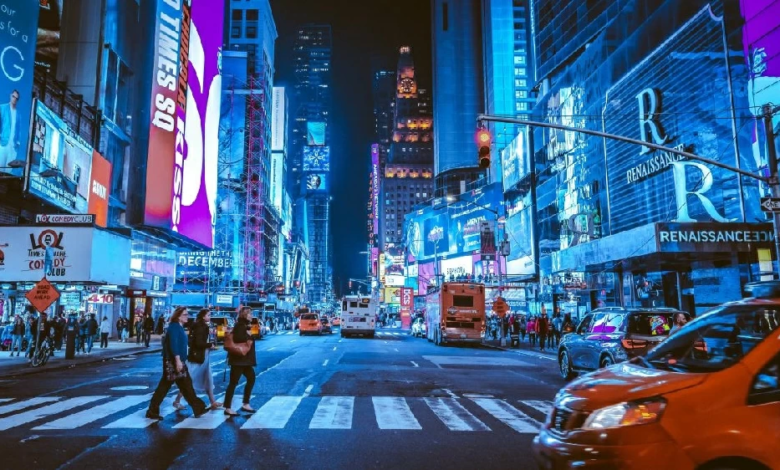

تواجه مدينة نيويورك (الأغنى في العالم) ضغوطاً متزايدة على شبكة الكهرباء مع ارتفاع الطلب واقتراب البنية التحتية من حدودها التشغيلية، ما أعاد تشغيل محطتي الكهرباء العائمتين (ناروز) و(غوانوس) بكامل طاقتهما خلال موجة الحر الشديدة الشهر الماضي. وقد شكّلتا لعقود خط الدفاع الأخير ضد انقطاعات الكهرباء، لكنهما لم تعودا مجرد احتياطي للطوارئ، إذ أصبحتا تعملان بصورة متكررة للحفاظ على استقرار الإمدادات.
ودخلت الولايات المتحدة مرحلة جديدة من الطلب المتزايد على الكهرباء بعد سنوات من الاستقرار، مدفوعة بانتشار السيارات الكهربائية ومضخات الحرارة ومراكز بيانات الذكاء الاصطناعي، إلى جانب الضغوط الناتجة عن الظواهر المناخية المتطرفة. وتبرز الحاجة بصورة خاصة في نيويورك التي يزيد عدد سكانها على ثمانية ملايين نسمة وتواجه صيفاً شديد الحرارة، وفقاً لـ(بلومبيرغ).
تحديات بعد إغلاق المحطة النووية
دفعت درجات الحرارة التي لامست 38 درجة مئوية مطلع يوليو شركة كون إديسون إلى مطالبة مئات الآلاف من العملاء بخفض الاستهلاك أثناء إصلاح بعض المعدات، فيما اضطرت إلى توفير الثلج الجاف للمناطق التي شهدت انقطاعات محدودة في كوينز. ويؤكد مسؤولون وخبراء أن البنية التحتية للطاقة في نيويورك من الأقدم في الولايات المتحدة، ما يزيد المخاوف بشأن موثوقية الشبكة مستقبلاً.
وجاءت هذه التحديات بعد إغلاق محطة (إنديان بوينت) النووية بقدرة 2.1 غيغاواط، ما أجبر الولاية على البحث عن بدائل. ورغم الرهان على طاقة الرياح البحرية، واجهت العديد من المشروعات عقبات خفضت التوقعات من 6–8 غيغاواط إلى نحو غيغاواط واحد فقط.
مشكلات في خطوط الإمداد
وزادت المشكلات الفنية في خط (شامبلين هدسون باور إكسبريس) القادم من (كيبيك) الضغوط على المنظومة، إذ لم يتمكن المشروع من توفير كامل قدرته المستهدفة البالغة 1.25 غيغاواط، في وقت قد تؤثر فيه صيانة المفاعلات النووية الكندية ومخاطر الجفاف على الإمدادات المستقبلية.
وواصل الطلب على الكهرباء ارتفاعه ليصل إلى 31 غيغاواط في الثاني من يوليو؛ أي أقل بثلاثة غيغاواط فقط من الرقم القياسي المسجل عام 2013. وحذر مشغّل الشبكة المستقلة في نيويورك (NYISO) من أن الولاية قد تواجه عجزاً في الإمدادات اعتباراً من الصيف الحالي وخلال السنوات الخمس المقبلة.
اعتماد متزايد على المحطات العائمة
وأظهر تقرير المشغل أن الاعتماد على محطتي (ناروز) و(غوانوس) سيزداد للحفاظ على موثوقية الشبكة، مع تمديد عمرهما التشغيلي حتى عام 2029 رغم المطالبات باستبدالهما. غير أن تقادم المعدات يرفع احتمالات الأعطال ويزيد الحاجة إلى الصيانة وتوفير قطع الغيار.
ورفع تشغيل محطات الذروة القديمة المخاوف البيئية، إذ تنتج كميات كبيرة من أكاسيد النيتروجين المسببة للتلوث ومشكلات التنفس. وتشير تقديرات أكاديمية إلى أن التوربينات القديمة أطلقت بين عامي 2024 و2025 نحو 38 ضعفاً من الانبعاثات لكل وحدة وقود مقارنة بالمعدات الحديثة، كما استهلكت وقوداً إضافياً بنسبة 74% لإنتاج الكمية نفسها من الكهرباء.
تحديات مستقبلية تهدد النمو
وزادت التحديات مع تمركز مشروعات الطاقة المتجددة بعيداً عن المراكز السكانية، بينما يُتوقع أن يرتفع الطلب الشتوي على الكهرباء بأكثر من الثلث خلال العقد المقبل نتيجة التحول إلى التدفئة الكهربائية. كما أدى نقص إمدادات الغاز خلال الشتاء الماضي إلى تشغيل المحطتين باستخدام الديزل لأكثر من 400 ساعة، ما رفع التكاليف والانبعاثات.
وأثارت هذه التطورات مخاوف من تأثير أزمة الطاقة على قدرة نيويورك على جذب الاستثمارات الجديدة، خصوصاً في قطاع الذكاء الاصطناعي ومراكز البيانات، إذ يرى مراقبون أن تحقيق نمو اقتصادي مستدام يتطلب زيادة كبيرة في قدرات توليد الكهرباء وتحديث الشبكة، حتى لو استلزم ذلك قرارات سياسية واقتصادية صعبة.
New York City (the richest in the world) is facing increasing pressure on its electricity grid as demand rises and infrastructure approaches its operational limits, prompting the full operation of the floating power plants (Naros) and (Gowanus) during last month’s severe heatwave. For decades, they have formed the last line of defense against power outages, but they are no longer just an emergency backup, as they are now operating more frequently to maintain supply stability.
The United States has entered a new phase of increasing electricity demand after years of stability, driven by the proliferation of electric vehicles, heat pumps, and artificial intelligence data centers, alongside pressures from extreme weather phenomena. The need is particularly acute in New York, which has a population of over eight million and is facing a scorching summer, according to (Bloomberg).
Challenges After the Nuclear Plant Shutdown
The temperatures that reached 38 degrees Celsius at the beginning of July prompted Con Edison to ask hundreds of thousands of customers to reduce consumption while some equipment was being repaired, while it had to provide dry ice to areas that experienced limited outages in Queens. Officials and experts confirm that New York’s energy infrastructure is among the oldest in the United States, raising concerns about the reliability of the grid in the future.
These challenges came after the shutdown of the 2.1-gigawatt (Indian Point) nuclear plant, forcing the state to seek alternatives. Despite betting on offshore wind energy, many projects faced obstacles that reduced expectations from 6–8 gigawatts to about just one gigawatt.
Supply Line Issues
The technical issues with the Champlain Hudson Power Express line coming from Quebec have increased pressures on the system, as the project has been unable to provide its full targeted capacity of 1.25 gigawatts, at a time when maintenance of Canadian nuclear reactors and drought risks could affect future supplies.
Electricity demand continued to rise, reaching 31 gigawatts on July 2; just three gigawatts short of the record set in 2013. The New York Independent System Operator (NYISO) warned that the state could face a supply shortfall starting this summer and over the next five years.
Increased Reliance on Floating Plants
A report from the operator indicated that reliance on the (Naros) and (Gowanus) plants will increase to maintain grid reliability, extending their operational lifespan until 2029 despite calls for their replacement. However, the aging equipment raises the likelihood of failures and increases the need for maintenance and spare parts.
Operating old peak plants has raised environmental concerns, as they produce large amounts of nitrogen oxides that cause pollution and respiratory issues. Academic estimates suggest that old turbines emitted about 38 times more emissions per unit of fuel between 2024 and 2025 compared to modern equipment, and consumed 74% more fuel to produce the same amount of electricity.
Future Challenges Threatening Growth
Challenges have increased as renewable energy projects are located far from population centers, while winter electricity demand is expected to rise by more than a third over the next decade due to the shift to electric heating. Additionally, the gas supply shortage during last winter led to the two plants