فحص 486 ألف رأس ماشية.. «وقاء» يرفع جاهزيته لخدمة الحجاج في مكة والمدينة

أكمل المركز الوطني للوقاية من الآفات النباتية والأمراض الحيوانية ومكافحتها «وقاء» استعداداته الميدانية لخدمة ضيوف الرحمن خلال موسم حج 1447هـ، عبر منظومة وقائية متكاملة في منطقتي مكة المكرمة والمدينة المنورة، مدعومة بفرق فنية متخصصة وإمكانات تقنية وبشرية تهدف إلى تعزيز الأمن الصحي والغذائي وضمان موسم حج آمن وصحي.
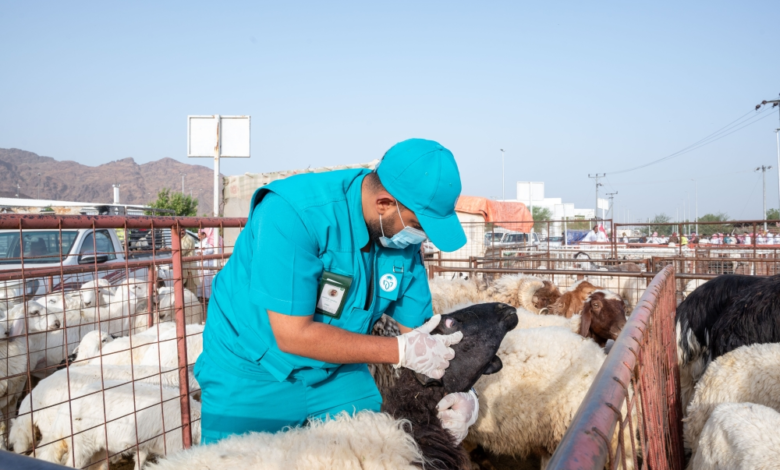
وكثّف المركز أعمال الفحص والكشف في منافذ مكة المكرمة على مختلف إرساليات الثروة الحيوانية، للتأكد من سلامة المواشي والأضاحي والهدي، بما يسهم في حماية الصحة العامة ورفع مستوى السلامة الغذائية للحجاج، إلى جانب تنفيذ أعمال التقصي الحشري واستكشاف مواقع نواقل الأمراض.
ودفع المركز بـ191 مختصاً من الأطباء البيطريين والمساعدين الفنيين، يعملون من خلال 67 فرقة ميدانية وطوارئ مجهزة بأحدث التقنيات، لتنفيذ جولات رقابية واستقصائية مكثفة تستهدف الحد من المخاطر الوبائية والسيطرة الاستباقية عليها.
وسجّلت الفرق الميدانية في منافذ مكة المكرمة أرقاماً تشغيلية لافتة، تمثلت في فحص 394,570 رأساً من المواشي، والتأكد من سلامة أكثر من 4 ملايين من الدواجن المفسوحة، إضافة إلى فحص 169,616 رأساً من الأغنام و777 رأساً من الأبقار، ضمن جهود تعزيز جودة وسلامة الغذاء.
كما نفذ المركز 1,138 جولة للتقصي و1,054 جولة للمكافحة الميدانية، إلى جانب 2,532 جولة توعوية استهدفت المربين والملاك، و2,601 جولة رقابية في أسواق النفع العام للتأكد من سلامة الثروة الحيوانية ومأمونيتها.
وفي جانب مكافحة الآفات، أنجزت فرق «وقاء» أعمال استكشاف الجراد الصحراوي على مساحة بلغت 31,390 هكتاراً، إضافة إلى استكشاف الجندب الأسود والنطاط في مساحة تجاوزت 3,726 هكتاراً.
وفي المدينة المنورة، واصل فرع المركز تنفيذ خططه الوقائية المكثفة، حيث تم فحص أكثر من 92,111 رأساً من الأغنام والأبقار الواردة، وتنفيذ 569 جولة رقابية على أسواق الأنعام والمسالخ، إلى جانب أكثر من 2,657 جولة للتقصي اليرقي والحشري لنواقل الأمراض؛ بهدف تعزيز سلامة زوار المسجد النبوي الشريف.
كما قدّم المركز دعماً إرشادياً وتوعوياً لـ2,754 مستفيداً عبر 1,214 جولة ميدانية، بالتوازي مع تنفيذ أعمال استكشاف الجراد الصحراوي على مساحة بلغت 29,024 هكتاراً، وتغطية 8,981 دونماً لاستكشاف الجندب الأسود والنطاط.
وأكد مركز «وقاء» استمرار حالة التأهب القصوى عبر فرقه الميدانية حتى انتهاء موسم الحج، ضمن منظومة العمل التكاملي مع الجهات المعنية بخدمة الحجاج، وتجسيداً لرسالة المركز في حماية الأمن الصحي والغذائي وفق أعلى معايير الجودة في أطهر البقاع.