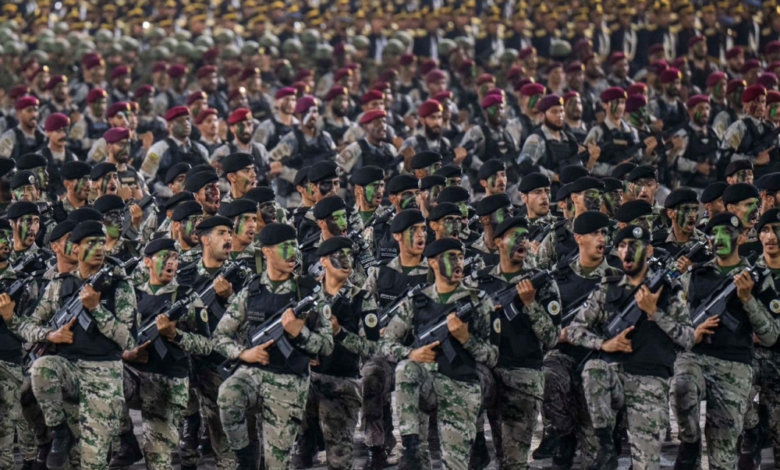
قائد قوات الطوارئ الخاصة: خططنا في الحج استباقية ومتكاملة.. وتنفيذ 48 فرضية ميدانية لرفع الجاهزية

48 فرضية ميدانية
وأوضح العمري أن الخطة العامة لأمن الحج، الصادرة من صاحب السمو الملكي وزير الداخلية، حددت المهام والمسؤوليات لكافة الأجهزة الأمنية والخدمية، وانبثقت عنها خطط تنفيذية من رئاسة أمن الدولة لتنظيم أعمال القطاعات المشاركة، ومنها قوات الطوارئ الخاصة.
وبيّن أن الخطط التي تنفذها قوات الطوارئ الخاصة تتسم بالتكاملية والاستباقية والمرونة، مشيرًا إلى أنها تعمل ضمن منظومة أمنية موحدة بالتنسيق مع مختلف الجهات المشاركة في الحج، بهدف تحقيق الأمن وسلامة الحجاج وتسهيل أداء النسك.
وأشار إلى تنفيذ عدد كبير من الفرضيات والتمارين المشتركة مع الجهات الأمنية والخدمية المشاركة، لافتًا إلى أن قوات الطوارئ الخاصة نفذت حتى الآن 48 فرضية ميدانية مرتبطة بطبيعة مهامها التخصصية، بهدف اختبار الجاهزية ورفع كفاءة الاستجابة والتعامل مع مختلف السيناريوهات المحتملة خلال الموسم.
الخطط الأمنية لقوات الطوارئ الخاصة
وأضاف أن الخطط الأمنية لقوات الطوارئ الخاصة تبدأ منذ وصول الحجاج إلى المملكة وحتى مغادرتهم، وتشمل جميع المواقع التي يتواجد فيها ضيوف الرحمن، سواء في المدينة المنورة أو مكة المكرمة والمشاعر المقدسة.
وأوضح العمري أن قوات الطوارئ الخاصة تتواجد في المسجد النبوي الشريف عبر نقاط المراقبة والمحاور الأمنية، كما تشارك داخل المسجد الحرام، وتحديدًا في الساحة الجنوبية، لتنظيم وإدارة حركة الحشود، إلى جانب انتشارها في المشاعر المقدسة لتنفيذ المهام التنظيمية والأمنية.
وأكد أن القوات تعمل على ضبط الطوق الأمني ومنع دخول المخالفين وغير الحاصلين على تصاريح نظامية إلى المشاعر المقدسة، إضافة إلى مهامها في مسجد نمرة وجبل الرحمة لإدارة الحشود وتنظيم الحركة في المواقع ذات الكثافات العالية.
سلامة ضيوف الرحمن
كما أشار إلى انتشار القوات في المنطقة المركزية وحول الحرم المكي، وفي عرفات ومزدلفة ومنشأة الجمرات، حيث تتولى قوة تشغيلية متخصصة إدارة تدفقات الحجاج داخل منشأة الجمرات، منذ دخولهم وحتى خروجهم، بما يضمن انسيابية الحركة وسلامة ضيوف الرحمن.
وشدد قائد قوات الطوارئ الخاصة على جاهزية القوات للتدخل السريع والتعامل مع أي مستجدات أمنية أو تنظيمية، مؤكدًا أن العمل الأمني في الحج يقوم على التكامل بين مختلف القطاعات العسكرية والأمنية والخدمية.
وقدم العمري شكره لجميع الجهات الأمنية والعسكرية والوزارات والجهات الخدمية المشاركة في تنفيذ خطط الحج، مشيدًا بما يبذله رجال الأمن من جهود لخدمة ضيوف الرحمن، داعيًا الله أن يتقبل من الحجاج حجهم، وأن يديم على المملكة أمنها واستقرارها وازدهارها.