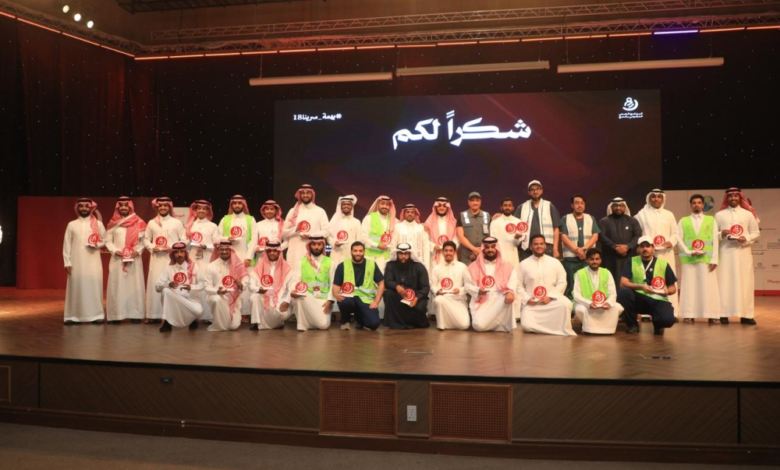

اختتم البرنامج الصحي التطوعي بنجاح كبير نسخته الثامنة عشرة لموسم حج عام 1447هـ، حيث تم تقديم خدمات إسعافية للحجاج لأكثر من 3004 مستفيدين بجهود 710 متطوعين ومتطوعات. هذه الجهود الميدانية، التي انتشرت في مشاعر منى ومزدلفة وعرفات، تجسد روح العطاء والتفاني في خدمة ضيوف الرحمن، وتبرز الدور الحيوي للعمل التطوعي في إنجاح هذا التجمع الإسلامي العظيم.
يُعد موسم الحج أحد أكبر التجمعات البشرية السنوية في العالم، مما يفرض تحديات لوجستية وصحية هائلة. وعلى مر العقود، كرست المملكة العربية السعودية موارد ضخمة لتطوير منظومة متكاملة تضمن سلامة وراحة الحجاج. وتأتي المبادرات التطوعية، مثل البرنامج الصحي، كرافد أساسي لهذه المنظومة، حيث تسخر طاقات الشباب والشابات من الكوادر الصحية لتقديم رعاية فورية ومباشرة في الميدان، مما يخفف الضغط على المستشفيات والمراكز الصحية الثابتة ويعزز سرعة الاستجابة للحالات الطارئة.
جهود إنسانية عظيمة: متطوعون يقدمون خدمات إسعافية للحجاج
على مدار أيام التشريق، من الثامن وحتى الثاني عشر من ذي الحجة، عملت الفرق التطوعية البالغ عددها 115 فريقًا على مدار الساعة، مسجلةً ما مجموعه 29,820 ساعة تطوعية. وقد باشرت هذه الفرق حالات متنوعة، شملت 1923 رجلاً (64%) و1081 امرأة (36%)، مما يعكس التغطية الشاملة والوصول لمختلف فئات الحجاج في أماكن وجودهم. إن نجاح هذا البرنامج لا يقتصر على الأثر المحلي المتمثل في تقديم الرعاية الصحية فحسب، بل يمتد ليعكس صورة حضارية وإنسانية للمملكة على الصعيد الدولي.
منظومة متكاملة لخدمة ضيوف الرحمن
إن وجود كوادر طبية مؤهلة ومتحمسة تتطوع بوقتها وجهدها يرسل رسالة طمأنينة قوية لملايين المسلمين حول العالم، ويؤكد على أن خدمة الحرمين الشريفين وقاصديهما هي أولوية قصوى. كما يساهم هذا العمل في ترسيخ ثقافة التطوع كقيمة مجتمعية أصيلة، وهو أحد المستهدفات الرئيسية لرؤية المملكة 2030 التي تسعى إلى زيادة أعداد المتطوعين في القطاع غير الربحي ودعم مبادراتهم التي تخدم المجتمع والوطن.
أرقام وإحصائيات تعكس حجم الإنجاز
تنوعت الحالات التي تعامل معها المتطوعون، حيث شكلت إصابات القدم النسبة الأكبر بـ 1858 حالة (62%)، نتيجة للمشي لمسافات طويلة. كما تم التعامل مع 270 حالة إجهاد حراري (9%)، وهو تحدٍ كبير في ظل ارتفاع درجات الحرارة. بالإضافة إلى 876 حالة متنوعة (29%) شملت الإجهاد العام ومتابعة حالات الأمراض المزمنة وغيرها، والتي تطلب بعضها نقل المصابين إلى مستشفيات المشاعر لاستكمال العلاج. ويأتي هذا الأداء المتميز نتيجة لبرنامج تدريبي مكثف خضع له المتطوعون بلغ 19,880 ساعة تدريبية لضمان جاهزيتهم.
وفي هذا السياق، أشاد الدكتور جاسر بن عبدالله الشهري، رئيس مجلس إدارة الجمعية الخيرية للرعاية الصحية الأولية (درهم وقاية)، بجهود وتفاني جميع القائمين على البرنامج. وأكد أن هؤلاء المتطوعين عكسوا صورة حية عن المواطن الواعي القادر على البذل والعطاء مهما كانت التحديات. من جانبه، أوضح الدكتور عبدالعزيز بوقس، المدير التنفيذي للبرنامج، أن العمل الميداني لا يخلو من الصعوبات، لكن التدريب المسبق وروح التعاون ساهما في تخطيها بنجاح، مؤكداً على أهمية الدعم النفسي والمعنوي الذي يقدمه المتطوعون للمصابين إلى جانب الرعاية الطبية.