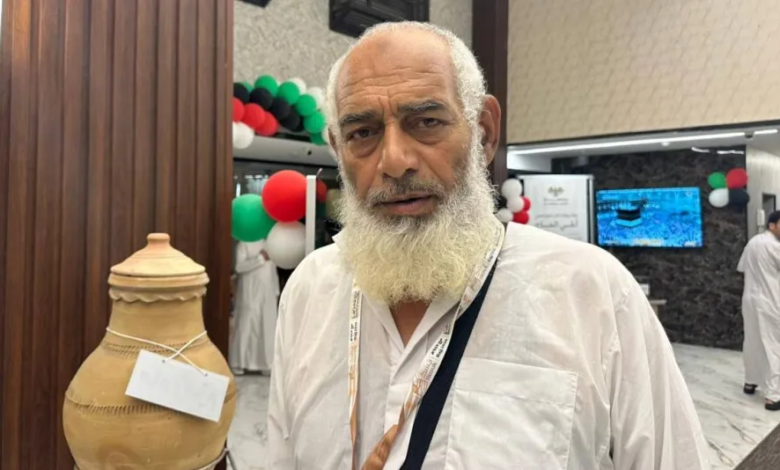

في مشهد إيماني مؤثر تناقلته منصات التواصل الاجتماعي، جسّد الشاب الفلسطيني عبد الكريم الطويل قصة فريدة من الصبر والإرادة، حيث تحولت رحلته من ألم الإصابة برصاص الاحتلال الإسرائيلي إلى سكينة الطواف حول الكعبة المشرفة. قصة الطويل ليست مجرد حكاية فردية، بل هي رمز للصمود الفلسطيني الذي لا ينكسر أمام أقسى الظروف، ونافذة تطل على المعاناة والأمل الذي يعيشه الشعب الفلسطيني.
خلفية الحدث: إصابة غيرت مجرى الحياة
تعود فصول القصة المأساوية إلى مدينة نابلس بالضفة الغربية، حيث كان الشاب عبد الكريم ضحية للاعتداءات الإسرائيلية المتكررة. خلال إحدى المواجهات، أصيب برصاصة أدت إلى بتر ساقه، في حدث يمثل جزءاً من الواقع اليومي الذي يواجهه الفلسطينيون تحت الاحتلال، حيث تستهدف القوات الإسرائيلية الشبان بشكل مباشر، مما يخلف وراءه آلاف الجرحى والشهداء، وقصصاً لا تنتهي من الألم والمعاناة.
لم تكن الإصابة نهاية المطاف لعبد الكريم، بل كانت بداية لرحلة جديدة من التحدي والصبر. فرغم فقدانه لساقه، تمسك بالأمل والإيمان، وأصبحت قصته مصدر إلهام للكثيرين في محيطه وعلى امتداد العالم العربي، حيث أظهرت صوره ومقاطعه المصورة عزيمة لا تلين وإصراراً على مواصلة الحياة بإيجابية.
الأهمية والتأثير: من المعاناة المحلية إلى رمز عالمي
تكمن أهمية قصة عبد الكريم الطويل في قدرتها على تجاوز حدود فلسطين لتصل إلى قلوب الملايين حول العالم. فعلى الصعيد المحلي، أصبحت قصته أيقونة للصمود والتشبث بالحياة والأرض، ورمزاً للشباب الفلسطيني الذي يرفض الاستسلام لواقع الاحتلال. لقد أعطت قصته دفعة معنوية هائلة للمجتمع الفلسطيني، مؤكدة أن الإرادة الإنسانية والإيمان قادران على تحويل المحن إلى منح.
أما على الصعيدين الإقليمي والدولي، فقد سلطت رحلته لأداء العمرة الضوء على الجانب الإنساني للقضية الفلسطينية. الصور المؤثرة له وهو يطوف حول الكعبة بساق واحدة، متكئاً على عكازيه، لمست وجدان المسلمين في كل مكان، وأعادت تذكير العالم بالثمن الباهظ الذي يدفعه الفلسطينيون يومياً. لقد تحولت قصته من مجرد خبر عن إصابة إلى رسالة عالمية عن الأمل والإيمان والصمود في وجه الظلم، مما ساهم في زيادة الوعي بالمعاناة الإنسانية الناجمة عن الاحتلال.
في النهاية، تختزل رحلة عبد الكريم الطويل من نابلس إلى مكة المكرمة حكاية شعب بأسره؛ شعب يتألم ويقاوم، لكنه لا يفقد الأمل أبداً في الحياة والحرية والوصول إلى مقدساته، مؤكداً أن الإيمان هو السلاح الأقوى في مواجهة أقسى التحديات.