Abdullah Saleh Kamel calls for an ethical economy at the Indonesia summit

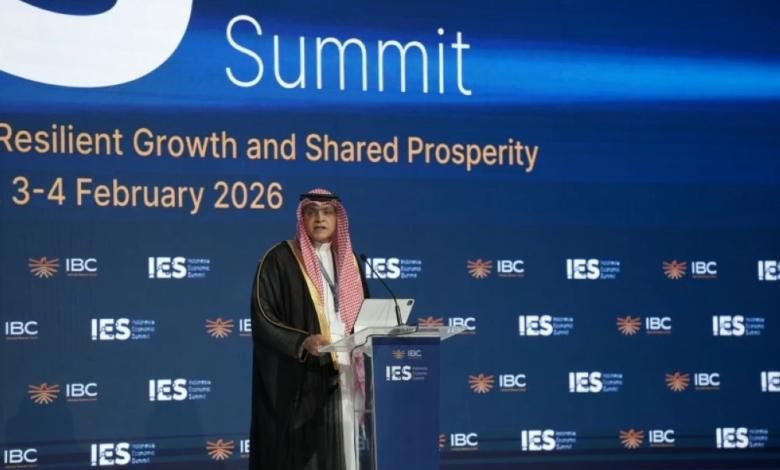
At a highly sensitive global juncture, where economic crises are intertwined with geopolitical tensions, Abdullah Saleh Kamel , Chairman of the Islamic Chamber of Commerce and Development and a member of the Board of Directors of the Federation of Saudi Chambers, issued an urgent call for a reshaping of global economic concepts. This came during his impactful address at the opening session of the "Indonesia Economic Summit 2026," where he warned that the modern economy faces a structural ethical crisis that threatens the stability of societies.
Moral crisis and erosion of the global order
Abdullah Kamel asserted that the world stands at a critical crossroads, noting that the current economic system is experiencing a growing erosion of controls and standards. He explained that the logic of power and narrow interests now dominates the landscape, leading to the marginalization of human and developmental values. This warning comes at a time when the global economy is suffering from vast wealth inequalities, disruptions in supply chains, and unprecedented environmental challenges, making the need for a new economic model more urgent than ever.
The failure of the existing model and the responsibility of the Global South
Kamel pointed out that the rapid transformations have revealed the fragility of the traditional economic model, which focuses exclusively on maximizing short-term profits. He added that this model has failed to achieve sustainable development or provide equitable opportunities for all people, due to the deliberate separation between economic practices and ethical values. He emphasized that economic discourse in international forums now reflects a harsh reality that neglects both people and the environment.
In the context of solutions, Kamel emphasized the historical and heightened responsibility of business leaders in the Global South and developing countries. He called upon them to adopt a proactive approach to building a new economic model based on rights and obligations, stressing that investment, trade, and finance must be managed as tools to serve communities and foster social trust, not merely as numbers in profit and loss equations.
Islamic heritage and Vision 2030 as a leading model
The head of the Islamic Chamber invoked the rich cultural heritage of the Islamic world, emphasizing its wealth of ethical values that historically enabled it to build humane and advanced economic models. He affirmed that the opportunity remains to reclaim this leading role and participate in shaping the future of the global economy before the turmoil worsens.
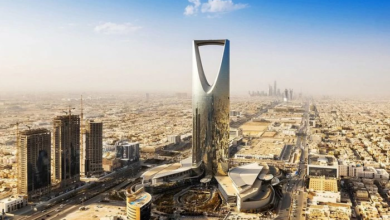
He also addressed the pivotal role of the private sector, praising the structural economic reforms underway in Saudi Arabia. He noted that the Kingdom's Vision 2030 has presented the world with a practical and successful model for reshaping the relationship between the state and the economy. He explained that the Vision has empowered the private sector as an active development partner through a flexible legislative environment and massive investments in infrastructure and digital transformation, reflecting the possibility of balancing economic growth with sustainable community development.
Kamel concluded his remarks by emphasizing that the Indonesian Economic Summit represents a vital platform for promoting cross-border partnerships and linking public policies to market realities, to ensure a fairer and more sustainable economic future.