Ballistic missile interception in Abu Dhabi: Details and repercussions of the incident

Details of the interception of a ballistic missile in the skies of Abu Dhabi
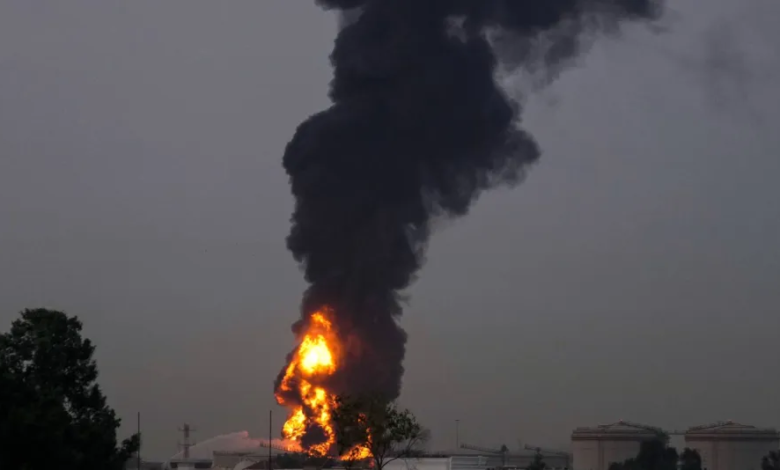
The relevant authorities in the United Arab Emirates announced the interception and destruction of a ballistic missile launched towards the capital, Abu Dhabi. While the air defense systems successfully destroyed the hostile target, debris from the missile fell in some civilian areas, resulting in one fatality. This incident reflects the ongoing security challenges facing the region and simultaneously highlights the high level of efficiency of the UAE's air defenses in countering terrorist threats, protecting lives and property, and minimizing casualties.
General context and historical background of the event
This incident comes amid a broader escalation by the Iranian-backed Houthi militia against civilian targets in neighboring countries, particularly Saudi Arabia and the United Arab Emirates. Historically, the UAE has been part of the Arab Coalition supporting the legitimate government in Yemen since 2015, with the aim of restoring stability to Yemen and countering Houthi expansion. Despite the UAE reducing its direct military presence in Yemen in recent years, the Houthi militias have resorted to targeting Emirati territory with ballistic missiles and explosive-laden drones, especially after suffering successive defeats on Yemeni battlefronts at the hands of Coalition-backed forces.
The efficiency of the UAE's air defense systems
The United Arab Emirates possesses one of the most advanced and sophisticated air defense networks in the region, including Patriot and Terminal High Altitude Area Defense (THAAD) systems. These systems have proven highly effective in intercepting ballistic missiles and drones before they reach their targets. However, the physical nature of intercepting missiles in flight inevitably results in the scattering of large pieces of debris, which explains why, despite successful interceptions, there are still some casualties or limited material damage on the ground.
The importance of the event and its expected impact locally, regionally, and internationally
Local impact
Domestically, UAE authorities were quick to reassure citizens and residents, emphasizing that life was proceeding normally and that the relevant agencies were handling the situation with high professionalism. They also stressed their complete readiness to deal with any future threats, thus reinforcing internal stability and the strong confidence in the country's security and military capabilities.
Regional impact
Regionally, the incident sparked widespread condemnation from Arab and Islamic countries, which expressed their full solidarity with the UAE. This escalation also reinforces security and military coordination among the Gulf Cooperation Council (GCC) states to counter cross-border threats and underscores the need for a comprehensive solution to the Yemeni crisis that ends the threat posed by armed militias to regional security.
International influence
Internationally, the Houthi attacks were met with strong condemnation from the United Nations, the United States, the European Union, and other global powers. The significance of this event lies in its potential impact on international maritime security and the stability of global energy markets, given the UAE's position as a global economic and commercial hub. This escalation has prompted the international community to intensify diplomatic and economic pressure to halt indiscriminate attacks against civilians and to reassess strategies for deterring armed groups that threaten international peace and security.