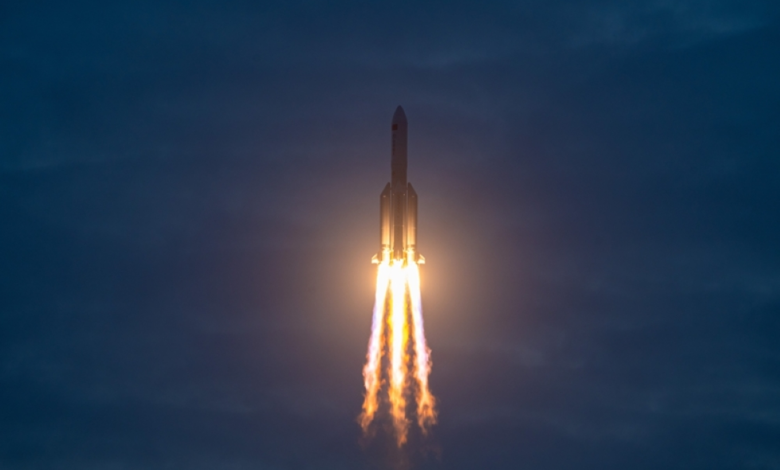

في خطوة استراتيجية تعكس التطور المتسارع في قطاع تكنولوجيا الفضاء، أطلقت كندا بنجاح 10 أقمار اصطناعية جديدة إلى المدار الأرضي المنخفض، وذلك بالتعاون مع شركة "سبيس إكس" (SpaceX) الأمريكية الرائدة في مجال النقل الفضائي. وتأتي هذه العملية كجزء من خطة كندية طموحة تهدف إلى بناء شبكة اتصالات فضائية فائقة السرعة، وتعزيز قدرات البلاد في مجالات رصد الأرض والدفاع.
تفاصيل المهمة والقدرات التقنية
تتميز الأقمار الاصطناعية الجديدة، التي يبلغ وزن الواحد منها حوالي 300 كيلوجرام، بمواصفات تقنية متقدمة تجعلها أكثر من مجرد أدوات للاتصال التقليدي. فهي تعمل بمثابة "مراكز بيانات مدارية" متكاملة، قادرة على تخزين تيرابايتات من المعلومات الضخمة ومعالجتها في الفضاء الخارجي. وتعد هذه الميزة نقلة نوعية في عالم التقنية، حيث تتيح تشغيل أعباء عمل الذكاء الاصطناعي (AI) مباشرة في المدار، مما يقلل من الحاجة إلى إرسال البيانات الخام إلى الأرض للمعالجة، ويوفر سرعة استجابة فائقة ودقة عالية في تحليل البيانات.
أهمية المدار الأرضي المنخفض (LEO)
يعد اختيار المدار الأرضي المنخفض لهذه الأقمار خياراً استراتيجياً في عالم الاتصالات الحديثة. فعلى عكس الأقمار التقليدية التي تدور في مدارات مرتفعة، تتيح أقمار (LEO) زمن وصول أقل للبيانات (Latency)، مما يجعلها مثالية لتطبيقات الإنترنت عالي السرعة، والعمليات العسكرية الدقيقة، والمراقبة البيئية اللحظية. ويشير هذا التوجه إلى انخراط كندا الفعلي في سباق "الفضاء الجديد" الذي يعتمد على نشر كوكبات من الأقمار الصغيرة والمتوسطة بدلاً من الاعتماد على قمر صناعي ضخم واحد.
التعاون مع سبيس إكس وتأثيره
يعكس الاعتماد على شركة "سبيس إكس" لإتمام هذه المهمة الثقة العالمية في صواريخ "فالكون 9" القابلة لإعادة الاستخدام، والتي ساهمت بشكل جذري في خفض تكاليف الوصول إلى الفضاء. هذا التعاون لا يعزز فقط العلاقات التقنية بين كندا والولايات المتحدة، بل يفتح الباب أمام المزيد من الاستثمارات التجارية في قطاع الفضاء الكندي، مما يدعم الاقتصاد القائم على المعرفة والابتكار.
الأبعاد الاستراتيجية والأمنية
إلى جانب الفوائد التجارية والتقنية، تحمل هذه الخطوة أبعاداً أمنية واستراتيجية هامة. فقدرة هذه الأقمار على رصد الأرض بدقة عالية ودعم منظومات الدفاع تعزز من السيادة الوطنية لكندا، وتوفر أدوات متطورة لمراقبة الحدود، وتتبع التغيرات المناخية، وإدارة الكوارث الطبيعية بكفاءة أعلى. إن دمج الذكاء الاصطناعي في هذه العمليات يعني تحليلاً أسرع للصور والبيانات، مما يدعم صناع القرار بمعلومات دقيقة وفي الوقت الفعلي.