Accusations against the Southern Transitional Council of violations in Hadramawt: Details and implications

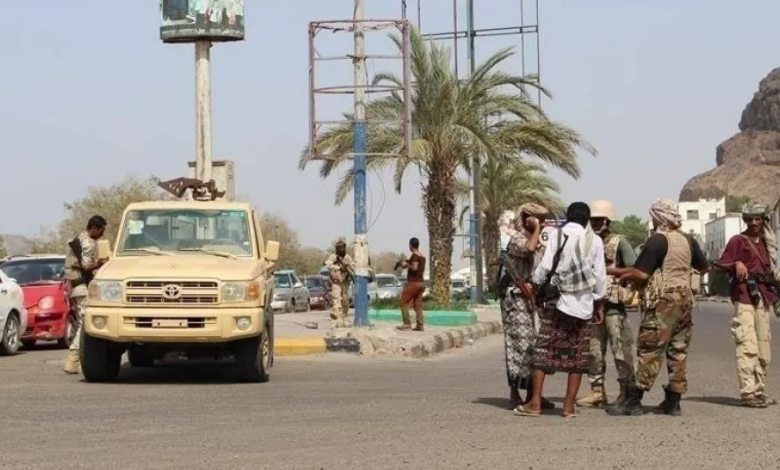
Accusations against forces affiliated with the Southern Transitional Council (STC) have recently intensified, alleging serious human rights violations in Hadramawt Governorate, Yemen's largest province. This comes amidst ongoing tensions and the STC's efforts to extend its control over the entire strategic oil-rich region. These accusations are accompanied by warnings from human rights organizations and local activists about the dangers of sliding into practices that undermine rights and public freedoms, further complicating the political and security landscape in the liberated areas.
The context of the conflict in Hadramawt
These accusations cannot be viewed in isolation from the broader context of the ongoing conflict in southern Yemen. Hadramawt Governorate represents the country's largest economic and geographical center of gravity and is experiencing intense political and military polarization. Influence in the governorate is divided between the Hadrami Elite Forces, supported by the coalition and affiliated with the Southern Transitional Council (STC) in the coastal areas, and the First Military Region forces deployed in the Hadramawt Valley and desert. The STC is actively working to consolidate its forces in the valley regions, a move met with resistance from tribal and political groups in Hadramawt who view it as a threat to the governorate's social fabric and autonomy.
The nature of the violations and their impact on the scene
Reports and statements from local sources indicate that violations attributed to elements affiliated with the Southern Transitional Council (STC) range from restricting press freedoms and carrying out security crackdowns on political opponents to attempting to impose a fait accompli by force of arms in some districts. If these practices are accurate and systematic, they constitute a clear violation of local laws and international human rights conventions, and place the STC under legal and moral scrutiny, especially given its key role in the Presidential Leadership Council.
The strategic importance of Hadhramaut
Hadhramaut derives its importance not only from its vast area, which covers a third of Yemen's total landmass, but also from its oil and mineral reserves and its strategic location bordering Saudi Arabia. Therefore, any security disturbances or human rights violations there will not only have local repercussions but will extend to the entire region, impacting the overall political settlement process in Yemen. The stability of Hadhramaut is a cornerstone for the stability of the southern and eastern governorates, and any disruption to this stability could plunge the region into chaos that would be difficult to contain.
Expected political repercussions
These accusations are expected to cast a shadow over the cohesion of the Presidential Leadership Council, potentially deepening the rift between its various political factions. They may also provoke the ire of the international community and UN organizations closely monitoring the human rights situation in Yemen. Observers believe the Southern Transitional Council must seriously investigate these allegations and hold those responsible accountable to ensure its popular support in Hadramawt is not eroded and to demonstrate its commitment to being a partner in state-building and maintaining security, rather than a party to fueling conflicts and violating rights.