
A historic achievement: Al-Ula Club wins the Saudi Basketball Federation Cup
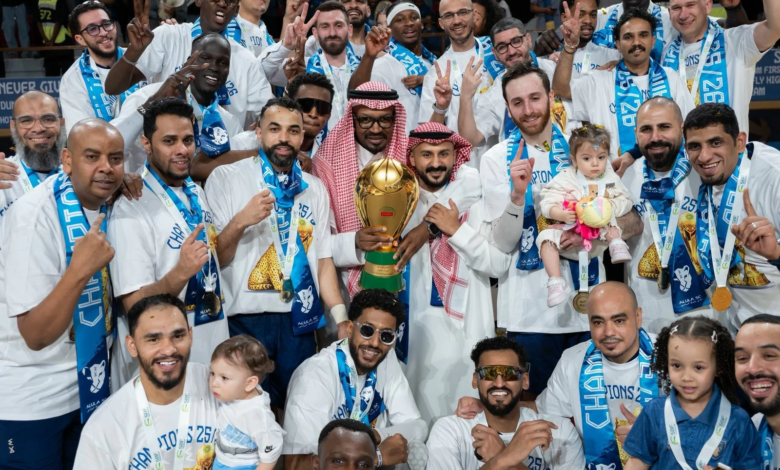
In an exceptional sporting event, Al-Ula Club clinched the Saudi Basketball Federation Cup title for the 2025-2026 season, following a well-deserved and thrilling victory over Al-Nasr Club with a score of 89-82. This highly anticipated final match took place on Monday evening at the Prince Mohammed bin Abdulaziz Sports City Hall in Medina, amidst a large and enthusiastic crowd and extensive media coverage, reflecting the growth and popularity of basketball in Saudi Arabia.
Match details: Early control and sustained superiority
The match saw Al-Ula clearly dominate for most of its duration, with the players entering the game with high concentration and a clear desire to secure the title. Al-Ula finished the first quarter with a significant lead (31-14), which came as an early shock to Al-Nasr. In the second quarter, despite Al-Nasr's attempts to narrow the gap and get back into the game, Al-Ula maintained its technical and tactical superiority, ending the first half with a score of (47-40).
At the start of the second half, specifically in the third quarter, Al-Ula Club displayed remarkable defensive and offensive cohesion, successfully maintaining their lead and even widening it again to reach (70-60). In the final and decisive quarter, the excitement reached its peak with Al-Nasr Club's intense attempts to turn the tide, but Al-Ula's players' experience and mental fortitude enabled them to absorb their opponent's enthusiasm and secure the victory with a final score of (89-82).
Significance of the event: Local dominance and historical duality
This victory is a definitive confirmation of Al-Ula Club's exceptional and historic season. The team achieved a rare feat by winning both the Saudi Basketball League and the Federation Cup during the 2025-2026 season. This double achievement clearly reflects the team's strength, its technical and administrative stability, and its current dominance in local basketball competitions, making it the new powerhouse of the game.
The impact of the coronation on the Saudi basketball scene
On a local and regional level, Al-Ula's rise and its title wins against established clubs with long histories and rich histories, such as Al-Nassr, represent a positive indicator of the increasing competitiveness in Saudi leagues. This development aligns with the qualitative leap that Saudi sports are witnessing in general, within the framework of the Kingdom's Vision. These strong competitions contribute to the emergence of new talents and raise the level of professionalism, which positively impacts the performance of the Saudi national basketball team in regional and international tournaments. Al-Ula's success sets new standards for other clubs and confirms that sound planning and investment in athletic talent are the keys to winning championships and reaching the podium.