Aden: Evacuation of camps and improved services bring life back to the city

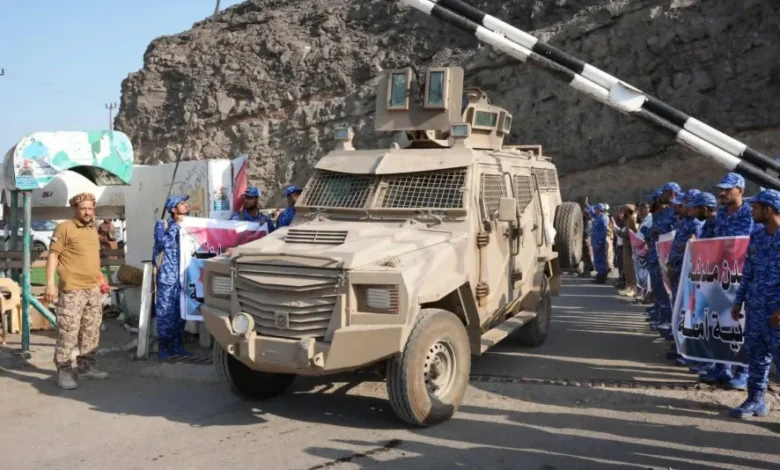
The interim capital, Aden, is witnessing a significant transformation in its overall landscape. The city is beginning to breathe a sigh of relief following the implementation of a series of decisive security and administrative measures, most notably the removal of military camps from residential and civilian areas. These steps have not only improved security but have also coincided with a marked improvement in the level of basic services, restoring hope to residents for the beginning of a new phase of stability and recovery.
Evacuating the camps: A step towards civilian life
The decision to remove military camps and barracks from the heart of residential neighborhoods in Aden marked a pivotal turning point in restoring the city's civilian character. For years, the intermingling of military sites with populated areas had created a state of constant tension, as well as placing immense strain on infrastructure. Today, with the implementation of security redeployment plans, the streets are much more open, and the visible presence of armed groups has significantly decreased, enhancing citizens' sense of security and allowing service providers greater freedom to maintain and upgrade dilapidated networks.
Direct repercussions on public services
The link between security and improved services became clear and evident. With the easing of tensions and the unification of security decisions, the electricity and water systems witnessed a tangible improvement compared to previous periods. Technical teams were able to access power generation plants and transmission lines to carry out necessary maintenance without hindrance, and stability also contributed to the regular delivery of fuel to power stations. This improvement in services alleviated the suffering of citizens, especially during the hot summer months, and provided a positive indication of the seriousness of the local authorities and the Presidential Leadership Council in improving the quality of life.
historical and political context
What is happening today in Aden cannot be separated from the broader context of the Yemeni crisis. Since the city's liberation in 2015, Aden has suffered from political and security tensions that have negatively impacted its role as the interim capital. These reform measures are the culmination of long-standing political efforts, most notably the Riyadh Agreement and the consultations sponsored by the Arab Coalition, which aimed to unify ranks and defuse tensions between the various factions. The successful evacuation of military camps represents the practical implementation of the military and security aspects of the agreements reached, thus strengthening the legitimacy of state institutions and paving the way for more effective governance.
Strategic importance and expected impact
The stability of Aden holds strategic importance that extends beyond the local level. Locally, this stability strengthens citizens' trust in the state and encourages local capital to return and invest. Regionally and internationally, the stability of the interim capital sends a reassuring message to the international community and donor organizations, facilitating the flow of humanitarian aid and sustainable development projects. Transforming Aden into a safe and stable model for services is a cornerstone in the process of restoring the Yemeni state and a necessary step towards achieving comprehensive peace in the country.