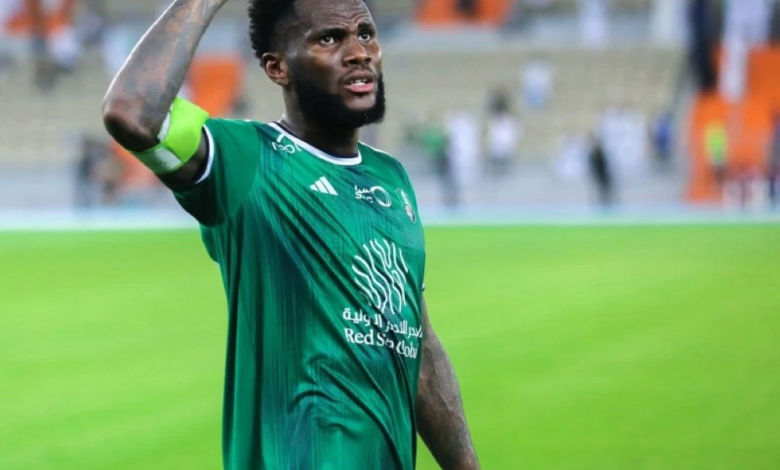
Al Ahly are negotiating with Franck Kessie for a contract extension, and Juventus are watching closely

The management of Al-Ahli Saudi FC is anxiously awaiting a final response from Ivorian star Franck Kessié, the team's midfielder, regarding the official offer presented to him to renew his contract for an additional period. This proactive move by the club's management comes at the direct and strong recommendation of German coach Matthias Jäsle, who considers Kessié a cornerstone of his tactical project and the backbone of the team's midfield in both domestic and continental competitions.
Sources close to the club indicate that German coach Jiesle submitted a technical report to the management explaining the need to retain the services of "the President" - as Al-Ahly fans like to call him - due to his high technical value and leadership role on the field, especially since the team is looking to compete strongly for titles in the coming seasons, which makes the technical stability of the foreign elements a vital matter.
A clash of offers: Al Ahly's temptations and Juventus' desire
While Franck Kessié is considering Al-Ahli's lucrative and financially attractive offer, interest from Europe continues to sway the player. Juventus has emerged as the frontrunner to secure his services, leveraging Kessié's extensive experience in Serie A, gained during his successful spells with AC Milan and Atalanta. The next few days will be crucial in determining the player's future: whether he chooses stability and continuation in the Saudi Professional League or a return to European competition through Juventus.
Kessie's journey: From Barcelona to the trophy-laden fortress
It is worth noting that Franck Kessié's move to Al-Ahli was part of a historic sporting movement in Saudi Arabia, as the club signed him from FC Barcelona in a high-profile transfer. The player signed a three-year contract, set to expire in the summer of 2026. Since his arrival, Kessié has delivered outstanding performances, establishing himself as one of the best midfielders in the Saudi Professional League, contributing crucial goals and physical strength to secure victories for the Jeddah-based club in numerous important matches.
Keeping Kessie is part of Al-Ahli's strategy to ensure continued high competitiveness, especially in light of the great development that Saudi clubs are witnessing and their attraction of the brightest international football stars, which makes letting go of a player of the size and capabilities of the Ivorian star extremely difficult for the Al-Ahli management.