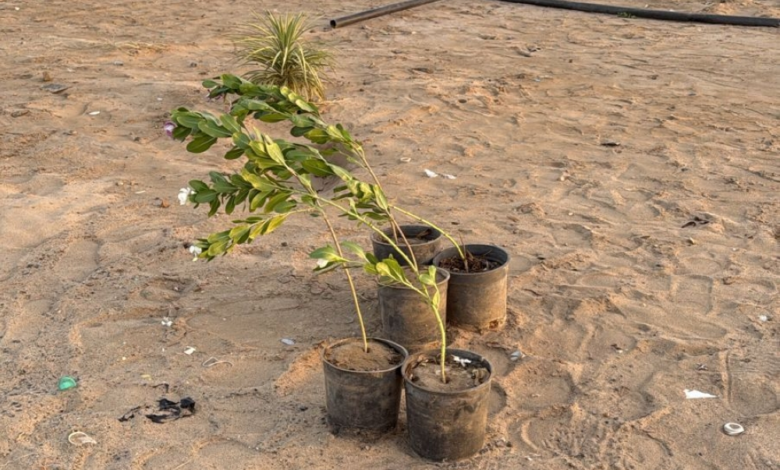

في خطوة استراتيجية تهدف إلى تحقيق التنمية البيئية المستدامة، نفذ مكتب وزارة البيئة والمياه والزراعة بمحافظة الليث مبادرة بيئية رائدة لتشجير ميقات يلملم. تضمنت هذه المبادرة زراعة أكثر من 1500 شتلة زراعية متنوعة، وذلك في إطار الجهود الحثيثة والرامية إلى تعزيز الغطاء النباتي وتحسين المشهد البيئي والحضري في المنطقة، بما ينعكس إيجاباً على جودة الحياة.
وتأتي هذه المبادرة النوعية ضمن حزمة من الاستعدادات المبكرة والخدمات البيئية المتكاملة المقدمة لحجاج بيت الله الحرام خلال موسم حج عام 1447هـ. وتهدف هذه الخطوة إلى الإسهام الفاعل في توفير بيئة صحية وأكثر ملاءمة، ورفع مستوى جودة الخدمات الداعمة لضيوف الرحمن. كما تسعى إلى تعزيز الاستدامة البيئية في المواقع الحيوية التي تشهد كثافة عالية من الزوار والحجاج، مما يوفر لهم أجواء مريحة ومظللة تعينهم على أداء مناسكهم بطمأنينة ويسر.
السياق التاريخي والأهمية الدينية لميقات يلملم
يعد ميقات يلملم واحداً من المواقيت الخمسة المكانية التي حددها النبي محمد -صلى الله عليه وسلم- لمن أراد الحج أو العمرة. ويقع هذا الميقات في محافظة الليث التابعة لمنطقة مكة المكرمة، وهو الميقات المخصص لأهل اليمن وكل من يمر به من حجاج جنوب المملكة العربية السعودية والدول المجاورة. ونظراً لهذه الأهمية التاريخية والدينية البالغة، فإن الاهتمام بتطوير بنيته التحتية والبيئية يعد واجباً وطنياً وإسلامياً، حيث يمثل نقطة الانطلاق الروحية لمئات الآلاف من الحجاج سنوياً نحو الديار المقدسة.
الأثر البيئي والمحلي لمبادرات التشجير
من جانبه، أكد مدير مكتب وزارة البيئة والمياه والزراعة بمحافظة الليث، المهندس يحيى بن عبدالرحمن المهابي، أن هذه الجهود المكثفة تأتي امتداداً للشراكات الفاعلة والمثمرة مع مختلف القطاعات الحكومية والخاصة. وأوضح أن هذه الشراكات تعزز من نجاح المبادرات البيئية والتنموية، وتدعم مستهدفات المحافظة على البيئة وتنمية الغطاء النباتي. محلياً، تسهم زراعة هذه الأشجار في تنقية الهواء، وخفض درجات الحرارة، والحد من زحف الرمال والعواصف الغبارية، فضلاً عن توفير مساحات خضراء تسر الناظرين وتوفر الظل للمسافرين والحجاج.
البعد الوطني والدولي: رؤية 2030 ومبادرة السعودية الخضراء
على الصعيد الوطني والإقليمي، تنسجم هذه المبادرة بشكل وثيق مع مستهدفات “رؤية المملكة 2030″، وتحديداً “برنامج خدمة ضيوف الرحمن” الذي يسعى لإحداث نقلة نوعية في تجربة الحج والعمرة. كما تتقاطع هذه الجهود مع “مبادرة السعودية الخضراء” التي أطلقها سمو ولي العهد، والتي تستهدف زراعة 10 مليارات شجرة في جميع أنحاء المملكة لمكافحة التصحر وتقليل الانبعاثات الكربونية. دولياً، تعكس هذه الخطوات التزام المملكة العربية السعودية الراسخ بمواجهة التغير المناخي، وتقديم نموذج عالمي يحتذى به في إدارة الحشود المليونية ضمن بيئة مستدامة وصديقة للبيئة، مما يؤكد ريادة المملكة في المزج بين التطور الحضري والحفاظ على الموارد الطبيعية.