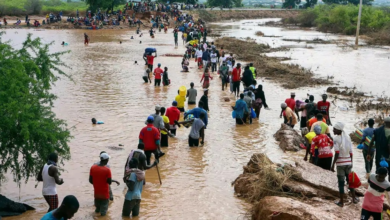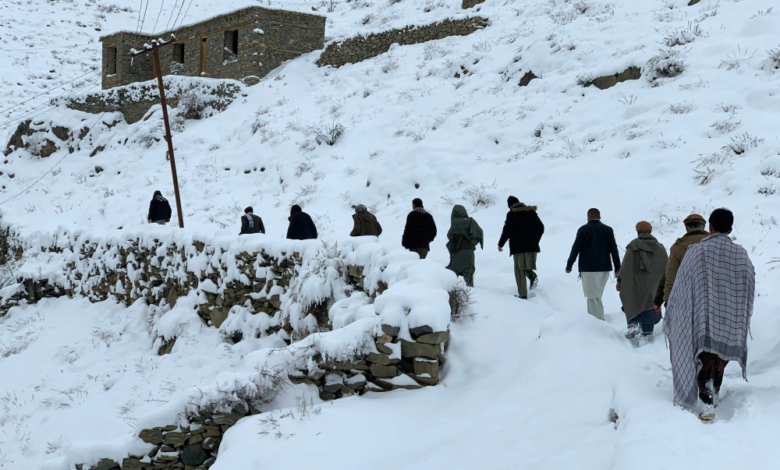

Afghanistan has been hit by a severe wave of extreme weather over the past three days, with heavy snow and torrential rains causing a new humanitarian disaster across several provinces. According to the latest official figures from the National Disaster Management Authority, the death toll has tragically risen to 61 between Wednesday and Friday.
The losses were not limited to fatalities; at least 110 people sustained injuries of varying severity as a result of landslides and weather-related accidents. Maps and data published by the agency on its social media platform, X, revealed the extent of the material damage, with 458 homes suffering severe damage ranging from total to partial destruction. Most of this damage was concentrated in the northern and central provinces of Afghanistan, areas characterized by rugged mountainous terrain that complicates rescue operations and rapid response efforts.
challenging geographical and climatic context
These tragic events occur within the complex geographical and climatic context of Afghanistan, a country known for its harsh winters and mountainous terrain that covers a large portion of its landmass. Heavy snowfall in the highlands often isolates remote villages and cuts off main roads, hindering the timely arrival of relief teams and humanitarian aid to those affected. Avalanches and flash floods are frequent threats to the lives of residents in these areas, particularly given the weak infrastructure and the fragility of traditional housing, often constructed of mud, which cannot withstand heavy rainfall or the weight of accumulated snow.
Worsening humanitarian and economic challenges
This natural disaster cannot be separated from the difficult economic and humanitarian reality facing Afghanistan. The country suffers from severe economic crises and resource shortages, which severely limits the capacity of local institutions to cope with natural disasters. Experts indicate that Afghanistan is among the countries most affected by global climate change, despite its minimal contribution to carbon emissions, and the frequency of extreme weather events has increased significantly in recent years.
This disaster adds a new burden to the shoulders of citizens who are already suffering from harsh living conditions, which calls for concerted local and international efforts to provide assistance to those affected, provide shelter, food and medicine to the displaced and injured, and work on developing long-term strategies to reduce the risks of disasters in the future.