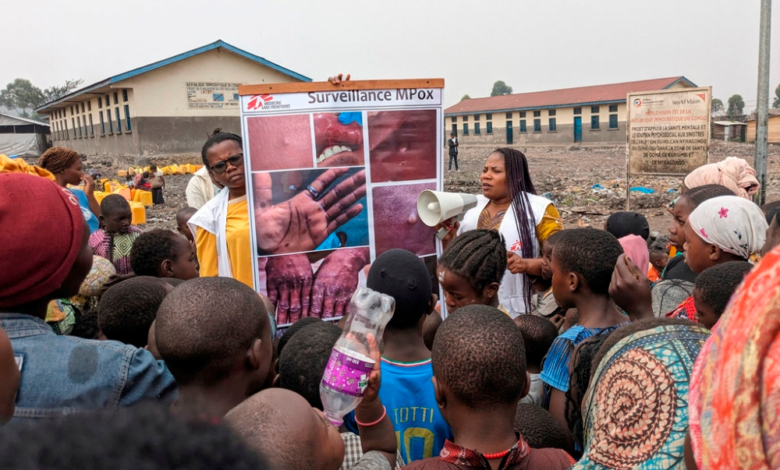
African Centers for Disease Control and Prevention raises monkeypox emergency: Details

The Africa Centres for Disease Control and Prevention (Africa CDC) has announced the lifting of the public health emergency declared due to the MBO virus outbreak (formerly known as monkeypox), reflecting a significant improvement in the health situation across the continent. This strategic decision follows a noticeable decline in infection and mortality rates, indicating the success of the preventative measures implemented over the past months.
Details of the decision and its reasons
In its statement issued on Saturday, the center explained that the decision to lift the state of emergency was not arbitrary, but rather based on a thorough assessment and scientific recommendations from the Emergency Advisory Group. The statement emphasized that this shift reflects the strengthening of the continent's health security system, the effectiveness of political leadership in affected countries, and the growing regional cooperation and international partnerships that played a crucial role in managing this complex health crisis. However, the center stressed a key point: lifting the state of emergency does not mean the complete eradication of the disease, but rather a transition from the emergency response phase to a phase of sustained control and monitoring.
Background of the crisis and history of the outbreak
The origins of the emergency declaration can be traced back to August 2024, when the Africa Centres for Disease Control and Prevention (Africa CDC) was forced to sound the alarm and declare a global health emergency. This swift action was in response to the spread of a new strain of the virus, which was concentrated primarily in the Democratic Republic of Congo and neighboring countries. This regional action coincided with the World Health Organization (WHO) classifying the disease as a Public Health Emergency of International Concern (PHEIC), given its rapid spread and potential for cross-border transmission.
The importance of the decision and the future of dealing with the virus
The decision to lift the state of emergency carries significant implications both regionally and internationally. It sends a reassuring message to the international community, investors, and the tourism sector that the health situation on the continent is now under control. This decision also allows African countries to redirect their healthcare resources toward strengthening long-term preventative measures instead of exhausting them on urgent emergency responses.
In the next phase, the health strategy for Africa will focus on:
- Vaccination campaigns continue in the most vulnerable areas.
- Strengthening epidemiological surveillance systems for the early detection of any new outbreaks.
- Raising awareness in local communities about prevention methods to reduce the social stigma associated with the disease.
This declaration is a successful test of the ability of African health institutions to lead the response to epidemics, enhancing the health sovereignty of the continent and reducing its complete dependence on external interventions in crisis management.