
مبادرة استراتيجية نحو الاكتفاء الذاتي
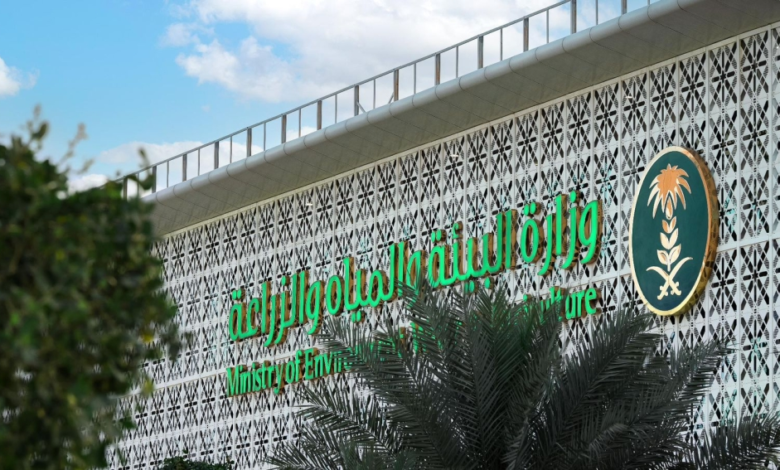
في خطوة استراتيجية تهدف إلى تحقيق التنمية المستدامة، أعلنت وزارة البيئة والمياه والزراعة في المملكة العربية السعودية عن طرح 5 مشاريع زراعية واستثمارية نوعية عبر منصة “فرص”. تتوزع هذه المشاريع الحيوية في أربع مناطق رئيسية وهي: الباحة، القصيم، نجران، وحائل. وتأتي هذه المبادرة في إطار الجهود الحثيثة لتعزيز الأمن الغذائي في السعودية، وتحقيق نسب متقدمة من الاكتفاء الذاتي، ودعم الأنشطة الزراعية والبيئية بما يتماشى مع مستهدفات رؤية السعودية 2030.
السياق التاريخي ورؤية السعودية 2030
تاريخياً، واجهت المملكة العربية السعودية تحديات جغرافية ومناخية تتمثل في ندرة المياه الصالحة للزراعة واتساع مساحة الأراضي الصحراوية. ومع ذلك، أدركت القيادة الرشيدة أهمية القطاع الزراعي كركيزة أساسية للأمن القومي. ومنذ إطلاق رؤية 2030، تحول التركيز نحو الزراعة المستدامة، واستخدام التقنيات الحديثة في الري، واستغلال الميزات النسبية لكل منطقة جغرافية. هذا التوجه الاستراتيجي لم يقتصر على توفير الغذاء فحسب، بل امتد ليشمل الحفاظ على الغطاء النباتي، ومكافحة التصحر، وتطوير السياحة البيئية والريفية لضمان استدامة الموارد للأجيال القادمة.
تفاصيل المشاريع في الباحة والقصيم
وعلى صعيد التفاصيل، كشفت الوزارة عن تخصيص فرصتين استثماريتين في منطقة الباحة؛ الأولى تتمثل في إنشاء “متنزه ران الوطني” في محافظة بلجرشي على مساحة تقدر بـ 403,635 متراً مربعاً. يهدف هذا المشروع إلى دعم النشاط البيئي والسياحي والحفاظ على الغطاء النباتي في المنطقة التي تتميز بطبيعتها الجبلية الخلابة. أما الفرصة الثانية في الباحة، فقد وُجهت لزراعة أشجار الموز في محافظة الحجرة على مساحة 530,128 متراً مربعاً، وذلك لزيادة الإنتاج المحلي من الفواكه الاستوائية التي تنجح زراعتها في تلك البيئة. وقد حُدد الثاني والثالث من شهر يونيو 2026م كموعدين نهائيين للتقديم على هاتين الفرصتين على التوالي.
وفي منطقة القصيم، التي تُعد سلة غذاء المملكة، أشارت الوزارة إلى طرح مشروع بيئي ضخم لإنشاء “متنزه حصانة الغربي” (جزء رقم واحد) في محافظة بريدة. يمتد هذا المشروع على مساحة شاسعة تبلغ 6 ملايين متر مربع، مما سيجعله متنفساً طبيعياً كبيراً يسهم في تحسين جودة الحياة، وقد حدد الثالث من يونيو كموعد نهائي للتقديم عليه.
دعم زراعة البن والثروة الحيوانية في نجران وحائل
وفي خطوة تعكس الاهتمام بالمحاصيل ذات القيمة الاقتصادية العالية، تضمن الطرح تخصيص مساحة 273,621 متراً مربعاً لإنشاء مشتل نموذجي لإنتاج البن في منطقة نجران. وتأتي هذه الخطوة الاستراتيجية استكمالاً لجهود المملكة في دعم زراعة البن السعودي (الخولاني) الذي يحظى بطلب محلي وعالمي متزايد، مما يسهم بشكل مباشر في ترسيخ الأمن الغذائي وتنويع مصادر الدخل، وينتهي التقديم على هذه الفرصة في الثاني من يونيو.
أما الفرصة الخامسة، فقد خُصصت لدعم قطاع الثروة الحيوانية، من خلال مشروع متكامل لتربية وتسمين وإنتاج اللحوم الحمراء في محافظة اللبيدي بمنطقة حائل. يقام المشروع على مساحة ضخمة تبلغ 4 ملايين متر مربع، بموعد نهائي يوافق الثاني من يونيو. سيلعب هذا المشروع دوراً محورياً في تلبية الطلب المحلي المتزايد على اللحوم وتقليل الاعتماد على الاستيراد الخارجي.
الأهمية الاقتصادية والتأثير المتوقع
إن أهمية هذه المشاريع تتجاوز البعد المحلي لتشمل تأثيرات إقليمية ودولية. فعلى المستوى المحلي، ستسهم هذه الاستثمارات في خلق آلاف فرص العمل المباشرة وغير المباشرة لأبناء المناطق المستهدفة، وتعزيز التنمية الريفية. وعلى المستوى الإقليمي، تؤكد المملكة ريادتها في ابتكار حلول زراعية تتكيف مع المناخات الجافة، مما يجعلها نموذجاً يحتذى به في الشرق الأوسط في مجال الاستدامة.
وفي الختام، دعت وزارة البيئة والمياه والزراعة عموم المستثمرين ورواد الأعمال للمنافسة على هذه الفرص الواعدة عبر منصة “فرص”، مشددة على ضرورة الاطلاع الدقيق على كراسات الشروط والمواصفات لضمان تنفيذ المشاريع بأعلى معايير الجودة، وتحقيق المستهدفات الوطنية المتمثلة في الاكتفاء الذاتي من اللحوم والمحاصيل الزراعية، ودعم الاقتصاد الوطني.