Ahmad Vahidi appointed commander of Iran's Revolutionary Guard after Khamenei's death

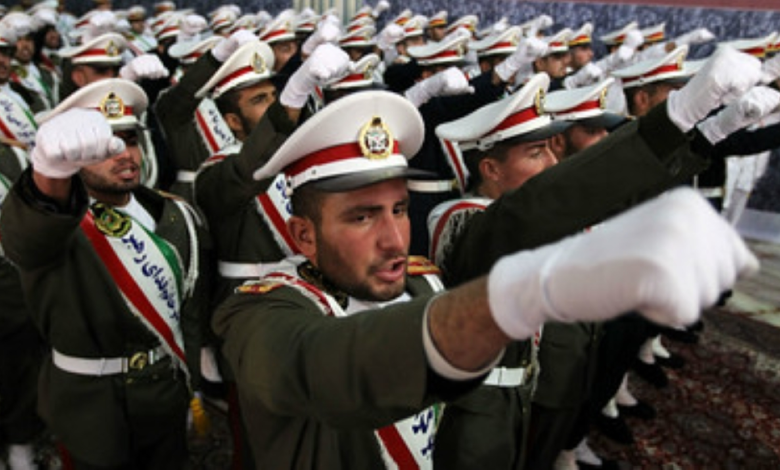
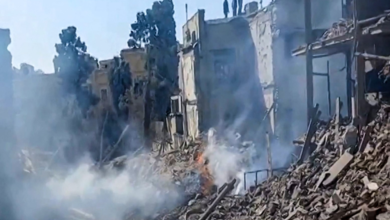
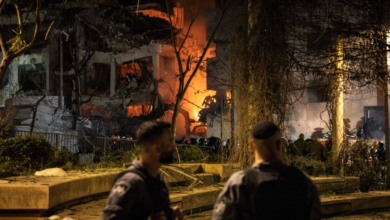
In a rapidly unfolding development in the Iranian capital, Tehran, Iranian state media reported the appointment of Ahmad Vahidi as the new commander of the Islamic Revolutionary Guard Corps (IRGC). This pivotal decision comes just hours after the official announcement of the death of Iran's Supreme Leader, Ali Khamenei, following US-Israeli airstrikes targeting sensitive sites, plunging the country into a state of high security and political alert.
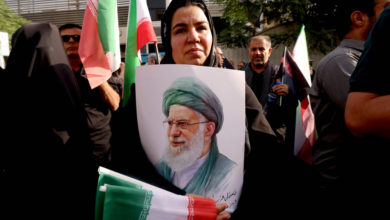
In an urgent statement broadcast on state television, Ali Larijani, Secretary of Iran's Supreme National Security Council, confirmed that the country had officially entered a delicate transitional phase starting Sunday. Larijani explained that the Islamic Republic's constitutional structure guarantees the continued functioning of state institutions without interruption, noting that a "temporary leadership council" would be formed immediately to manage the country's affairs. According to Article 111 of the Iranian Constitution, this council, composed of the president, the head of the judiciary, and a member of the Guardian Council, will assume all the responsibilities of the Supreme Leader until the Assembly of Experts elects a new leader of the revolution.
Who is Ahmad Vahidi? And why now?
The appointment of Ahmad Vahidi to lead the Islamic Revolutionary Guard Corps (IRGC) at this time carries significant military and strategic implications. Vahidi is known as one of Iran's most prominent and experienced military commanders, having previously served as Minister of the Interior and as the first commander of the IRGC's Quds Force, the arm responsible for foreign operations. His extensive experience in managing asymmetric warfare and intelligence operations suggests that Tehran may be preparing for a large-scale military response or adopting a defensive-offensive strategy in the face of perceived American and Israeli threats.
Potential regional and international repercussions
Observers of Iranian affairs believe that this change in the military leadership, coinciding with the vacancy in the Supreme Leader's position, places the Middle East on a knife's edge. The appointment of a figure with Vahidi's military and security background reflects the regime's tendency to militarize political decision-making at this critical juncture to ensure domestic cohesion and maintain security, while simultaneously managing external conflicts. This development is expected to have direct repercussions for Iran's allies in the region, or what is known as the "Axis of Resistance," potentially leading to an escalation of violence in Lebanon, Syria, and Iraq as part of a retaliatory response.
Iranian authorities are currently working to expedite the formation of a temporary council to fill the constitutional void and prevent any internal chaos, while world capitals await Tehran's next move, amid fears that the region could slide into a full-blown regional war.