
مقدمة عن التحول الرقمي في الحرمين الشريفين
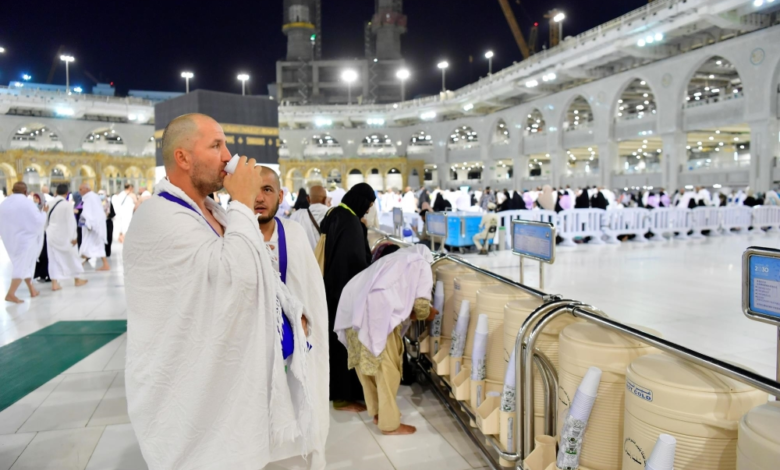
تاريخياً، كانت إدارة الحشود المليونية خلال مواسم الحج والعمرة تعتمد بشكل شبه كلي على الجهود البشرية والتنظيم التقليدي. ومع تزايد أعداد ضيوف الرحمن عاماً بعد عام، أدركت المملكة العربية السعودية أهمية تطويع التكنولوجيا الحديثة لتسهيل أداء المناسك. وفي هذا السياق، تشهد المنظومة الدينية في المسجد الحرام والمسجد النبوي تحولاً تقنياً متسارعاً وغير مسبوق، يتجلى بوضوح في توظيف الروبوتات الذكية وتقنيات الذكاء الاصطناعي لإدارة وتشغيل الخدمات الدينية والإثرائية. يعكس هذا التوجه الاستراتيجي التطور الكبير في مستوى الخدمات المقدمة لضيوف الرحمن القادمين من مختلف أنحاء العالم.
دور الذكاء الاصطناعي والروبوتات في التوجيه والإرشاد
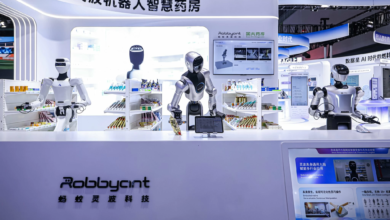
من أبرز ملامح هذا التحول التقني هو الاستخدام الواسع للروبوتات الذكية داخل أروقة الحرمين الشريفين. تعمل هذه الروبوتات على تقديم التوجيه والإرشاد الشرعي والمكاني عبر تقنيات تفاعلية تدعم لغات متعددة، مما يسهل على الحجاج والمعتمرين الوصول إلى المعلومات والخدمات الدينية بسرعة وكفاءة عالية. هذا التطور يواكب الكثافة البشرية الهائلة خلال مواسم الحج والعمرة، ويضمن انسيابية الحركة. كما أسهمت تطبيقات الذكاء الاصطناعي في تعزيز المنظومة الدينية من خلال تطوير أدوات رقمية متقدمة لتحسين إدارة المحتوى التوعوي، وتوسيع نطاق الوصول إلى الرسائل العلمية، ودعم عمليات الترجمة الفورية والبث الرقمي للدروس والخطب، مما يضمن إيصال رسالة الحرمين الشريفين إلى المسلمين في كافة أرجاء المعمورة.
شاشات تفاعلية ومنظومة الفتوى السحابية
لا يقتصر التحول التقني على الروبوتات فحسب، بل تشمل المنظومة التقنية أيضاً تشغيل شاشات تفاعلية ذكية لبث الرسائل التوعوية والمحتوى الديني الفوري. وقد تم تفعيل أجهزة الترجمة ضمن برامج متخصصة مثل برنامج “بلغاتهم”، والذي يتيح للزوار غير الناطقين بالعربية الاستفادة من المحتوى الشرعي والإرشادي بيسر وسهولة. وفي مجال الإفتاء، أطلقت رئاسة الشؤون الدينية منظومة “الاتصال السحابي” للإجابة عن استفسارات السائلين. تعتمد هذه المنظومة على توجيه الأسئلة إلى أصحاب الفضيلة والمشايخ عبر أنظمة رقمية حديثة، مما يرفع من كفاءة الاستجابة ويخفف من الازدحام في مواقع الإفتاء التقليدية، خاصة في أوقات الذروة.
التأثير المحلي والدولي ومستهدفات رؤية 2030
يحمل هذا الحدث أهمية كبرى وتأثيراً واسع النطاق. على الصعيد المحلي، يساهم دمج الذكاء الاصطناعي في تخفيف العبء اللوجستي عن الكوادر البشرية وتحسين إدارة الحشود. أما على الصعيدين الإقليمي والدولي، فإنه يرسخ مكانة المملكة العربية السعودية كنموذج عالمي رائد في توظيف التقنية لخدمة الإنسان وإدارة التجمعات المليونية. يواكب هذا التحول التقني توسعاً كبيراً في المحتوى الرقمي والإعلامي، من خلال إنتاج وبث الدروس والمحاضرات عبر منصات إلكترونية وتطبيقات ذكية تعمل على مدار الساعة. ويرى المختصون أن هذا الدمج التقني يعزز جودة التجربة الإيمانية والمعرفية، بما يتماشى تماماً مع مستهدفات رؤية المملكة 2030 في التحول الرقمي وإثراء تجربة ضيوف الرحمن.
منارتان للعلم والهداية
في الختام، تواصل المملكة العربية السعودية جهودها الحثيثة في تطوير منظومتها الدينية والتقنية ضمن استراتيجية شاملة تهدف إلى الارتقاء بجودة الخدمات. تسعى هذه الجهود إلى ترسيخ مكانة الحرمين الشريفين عالمياً بوصفهما منارتين للعلم والهداية والاعتدال، ومركزين حضاريين يجمعان بين الأصالة والتقنية الحديثة في خدمة الإسلام والمسلمين، مما يضمن تقديم تجربة روحانية متكاملة وآمنة لكل حاج ومعتمر.