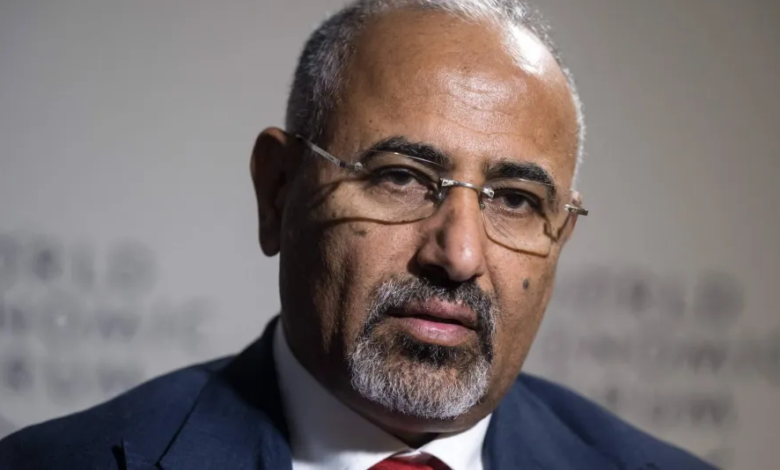
Corruption and property embezzlement investigations are targeting Aidarus al-Zubaidi in Aden

Political and media circles have been circulating reports that Presidential Leadership Council member and head of the Southern Transitional Council, Aidarus al-Zubaidi, is facing a series of investigations and accusations related to financial and administrative corruption, as well as sensitive issues concerning the plundering of real estate and land in the interim capital, Aden. This news casts a shadow over the complex Yemeni political landscape, raising widespread questions about the future of the partnership within the Presidential Leadership Council.
Background to the land crisis in Aden: A heavy legacy
The issue of real estate and land in Aden is not a recent development, but rather the culmination of accumulated problems that began noticeably after the city's liberation in 2015. Since then, the city has witnessed an unprecedented wave of illegal construction and encroachment on state and private lands, fueled by the absence of effective government oversight and the proliferation of security agencies. Observers note that the land issue is one of the most complex and sensitive files, involving influential figures and military leaders, thus transforming it into a ticking time bomb threatening social peace in the southern governorates.
The political context and timing of the accusations
These investigations are particularly significant given al-Zubaidi's position within the internationally recognized legitimate authority. Since the formation of the Presidential Leadership Council in April 2022, hopes have been pinned on unifying ranks to confront economic and military challenges. However, the public emergence of such files may indicate internal power struggles and a desire by some local or regional actors to restructure influence within Aden, or to push for genuine structural reforms demanded by donors to ensure continued financial support for Yemen.
Economic and social repercussions
Corruption in the real estate and land sector is directly linked to the deterioration of public services and the economy in Aden. The squandering of revenues from property taxes and fees, coupled with the appropriation of land designated for investment and service projects, has exacerbated the suffering of citizens. Aden residents endure frequent power outages and a plummeting local currency – crises that economic experts believe can only be resolved by eradicating corruption and restoring the state's authority and control over its sovereign resources.
International and local community perspective
Internationally, the United Nations and the countries sponsoring the political process in Yemen are consistently pressing for greater transparency and accountability as a prerequisite for any future political settlement. Locally, the southern public is cautiously awaiting the results of these investigations. Some see them as a necessary step toward correcting the course, while others fear their political exploitation for settling scores. What remains certain is that opening the files on corruption and property embezzlement, regardless of the names involved, represents a true test of the Presidential Leadership Council's and the Yemeni judiciary's commitment to upholding the rule of law.