
تولي المملكة العربية السعودية اهتماماً بالغاً بصحة وسلامة ضيوف الرحمن، وفي هذا السياق، أعلنت هيئة الهلال الأحمر السعودي عن تعزيز جاهزيتها التشغيلية خلال موسم الحج الحالي. يأتي هذا التعزيز من خلال تفعيل خدمة الإسعاف الجوي في الحج، والتي تعد واحدة من أهم الركائز الأساسية في منظومة الطوارئ الطبية الحديثة. يهدف هذا التحرك الاستراتيجي إلى تقديم استجابة طبية سريعة وفعالة للحالات الحرجة بين الحجاج في مكة المكرمة والمشاعر المقدسة.
أسطول متكامل من طائرات الإسعاف الجوي
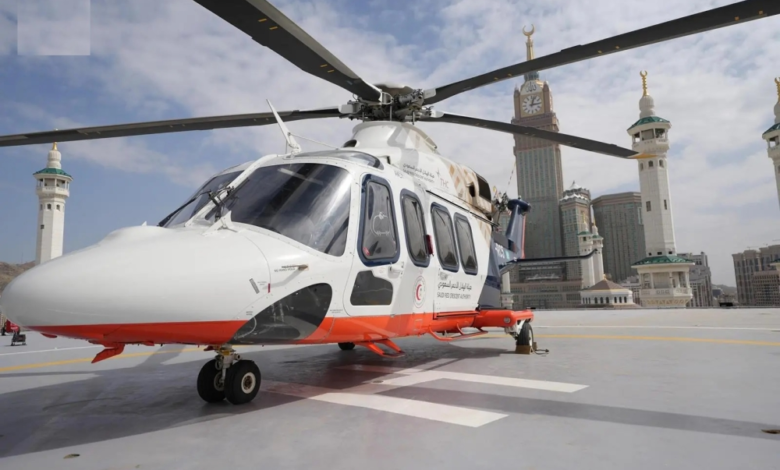
أوضحت هيئة الهلال الأحمر أنها سخرت أسطولاً متكاملاً يتكون من 11 طائرة إسعاف جوي. هذه الطائرات ليست مجرد وسائل نقل، بل هي بمثابة غرف عناية مركزة طائرة، مجهزة بأحدث التقنيات والأجهزة الطبية المتقدمة التي تضمن استقرار حالة المريض أثناء النقل. ولضمان أقصى درجات الفعالية، تم دعم هذا الأسطول بشبكة استراتيجية تضم 7 مهابط طيران موزعة بعناية فائقة في مكة المكرمة والمشاعر المقدسة. هذا التوزيع الجغرافي الدقيق يضمن سرعة الوصول إلى الحالات الطارئة ونقلها إلى المنشآت الصحية المتخصصة بكفاءة عالية وفي وقت قياسي.
السياق التاريخي وتطور الرعاية الصحية في الحج
تاريخياً، ارتبطت إدارة موسم الحج بتحديات صحية ولوجستية هائلة نظراً لتجمع الملايين من البشر في مساحة جغرافية محدودة وخلال فترة زمنية قصيرة. على مر العقود، تطورت منظومة الرعاية الصحية السعودية في الحج بشكل مذهل؛ فبعد أن كانت تعتمد على المستوصفات الميدانية وسيارات الإسعاف التقليدية، قفزت المملكة قفزة نوعية بإدخال طب الطيران والإسعاف الجوي. هذا التطور يعكس التزام القيادة السعودية بتسخير كافة الموارد المالية والبشرية لخدمة الحجاج، وتطبيق أعلى المعايير العالمية في إدارة الحشود وطب الكوارث.
الأهمية الاستراتيجية وتجاوز التحديات اللوجستية
تكمن الأهمية الكبرى لخدمة الإسعاف الجوي في الحج في قدرتها على تجاوز التحديات اللوجستية، وعلى رأسها الازدحام المروري الكثيف الذي قد يعيق حركة سيارات الإسعاف الأرضية. من خلال المهابط المجهزة، يتم تسهيل عمليات الإخلاء والنقل الطبي الجوي، مما يعزز كفاءة الاستجابة السريعة. كما يتيح الإسعاف الجوي نقل الفرق الطبية المتخصصة مباشرة إلى مواقع الكثافة العالية للتعامل مع الحالات الحرجة مثل الأزمات القلبية أو ضربات الشمس فور حدوثها، وذلك ضمن منظومة متكاملة تدعم خطط الطوارئ.
التأثير المحلي والدولي لجهود الهلال الأحمر
على الصعيد المحلي، تسهم هذه الجاهزية العالية في تقليل معدلات الوفيات والمضاعفات الصحية بين الحجاج، وتخفف الضغط عن المستشفيات الميدانية من خلال النقل السريع للحالات المعقدة إلى المستشفيات المرجعية الكبرى. أما على الصعيدين الإقليمي والدولي، فإن هذه الإمكانيات المتطورة تبعث برسالة طمأنينة إلى العالم الإسلامي بأسره، مؤكدة أن حجاج بيت الله الحرام يحظون برعاية فائقة. كما تعزز هذه الجهود من مكانة المملكة العربية السعودية كنموذج عالمي رائد يُحتذى به في مجال إدارة التجمعات البشرية الضخمة وتقديم الرعاية الصحية الطارئة بأعلى مستويات الجودة والاحترافية.