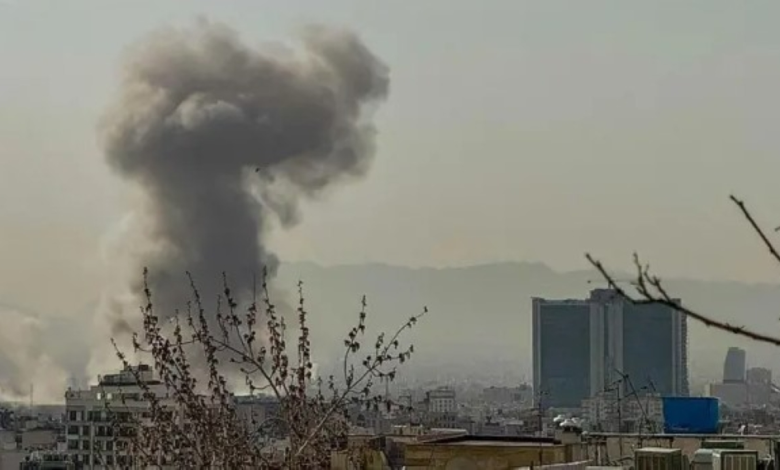

تفاصيل غارات جوية على إيران واستهداف البنية التحتية الصناعية
في تصعيد خطير يعكس التوترات المتزايدة في منطقة الشرق الأوسط، أفادت وسائل الإعلام الإيرانية، وعلى رأسها وكالة أنباء ‘فارس’، بوقوع غارات جوية على إيران يُعتقد أنها أمريكية وإسرائيلية، استهدفت منشآت صناعية حيوية. وأسفرت هذه الهجمات التي وقعت يوم الجمعة عن إلحاق أضرار بالغة بمصنعين رئيسيين للصلب، مما استدعى تدخلاً فورياً من فرق الإنقاذ وإدارة الطوارئ للسيطرة على الموقف وتقييم حجم الخسائر المادية والبشرية المحتملة.
الأهمية الاستراتيجية والاقتصادية للمصانع المستهدفة
أوضحت التقارير أن الهجوم تركز على ‘مصنع خوزستان للصلب’ و’مجمع فولاد مباركة’ (مباركه للصلب) الواقع في محافظة أصفهان وسط البلاد. وتكتسب هذه المنشآت أهمية بالغة للاقتصاد الإيراني؛ حيث يُعد مجمع مباركة للصلب في أصفهان أكبر منتج للصلب في منطقة الشرق الأوسط وشمال إفريقيا، وواحداً من أهم ركائز الصادرات الإيرانية غير النفطية. كما يمثل مصنع خوزستان للصلب مورداً أساسياً للعملة الصعبة في ظل العقوبات الاقتصادية الغربية المفروضة على طهران. استهداف هذه المنشآت لا يمثل مجرد ضربة عسكرية، بل هو استهداف مباشر لعصب الاقتصاد الإيراني وقدرته على تمويل قطاعاته المختلفة.
السياق الجيوسياسي وحساسية محافظة أصفهان
تأتي هذه الضربات في سياق ‘حرب الظل’ المستمرة منذ سنوات بين إيران من جهة، وإسرائيل والولايات المتحدة من جهة أخرى. وتعتبر محافظة أصفهان منطقة شديدة الحساسية، إذ تضم إلى جانب المجمعات الصناعية الكبرى، منشآت نووية إيرانية رئيسية وقواعد عسكرية جوية مهمة. ورغم أن الغارات الحالية ركزت على البنية التحتية الصناعية، إلا أن اختيار أصفهان كهدف يبعث برسائل ردع قوية، ويؤكد قدرة القوات المهاجمة على اختراق العمق الإيراني والوصول إلى مناطق تحظى بحماية أمنية مشددة.
تحرك روسي عاجل في مجلس الأمن الدولي
على الصعيد الدبلوماسي والدولي، لم تتأخر التداعيات السياسية لهذا التصعيد. فقد أعلنت وسائل إعلام رسمية في موسكو، بما في ذلك وكالة ‘تاس’، أن مجلس الأمن الدولي سيعقد جلسة مشاورات مغلقة طارئة لمناقشة تدهور الأوضاع والحرب في الشرق الأوسط. وجاء هذا التحرك بناءً على طلب رسمي من روسيا، التي ترتبط بعلاقات استراتيجية وعسكرية وثيقة مع طهران، خاصة في ظل التحالفات التي تبلورت بشكل أكبر عقب اندلاع الحرب الروسية الأوكرانية.
الموقف الروسي وإدانة استهداف المدنيين
نقلت وكالة تاس عن يفغيني أوسبينسكي، المتحدث باسم المندوب الروسي لدى الأمم المتحدة، تصريحات تؤكد أن ‘روسيا الاتحادية طلبت عقد مشاورات مغلقة في مجلس الأمن الدولي بسبب استمرار الضربات على البنية التحتية المدنية في إيران’. وأشار أوسبينسكي إلى أن هذه الهجمات لم تقتصر على المنشآت الصناعية فحسب، بل طالت أيضاً منشآت تعليمية وصحية، مما يمثل انتهاكاً للقوانين الدولية ويزيد من تعقيد المشهد الإنساني في المنطقة.
التأثير المتوقع على استقرار الشرق الأوسط
يُنذر هذا التطور الخطير بجر المنطقة إلى صراع إقليمي أوسع. فاستهداف البنية التحتية الإيرانية، والردود الدبلوماسية الحادة في أروقة الأمم المتحدة، يعكسان حالة الاستقطاب العالمي الحاد. وفي حين تسعى القوى الغربية للضغط على إيران لتحجيم نفوذها الإقليمي، تقف روسيا كحائط صد دبلوماسي لدعم طهران. ويبقى السؤال المطروح حول طبيعة الرد الإيراني المحتمل، وما إذا كانت هذه الغارات ستؤدي إلى تسريع وتيرة التصعيد العسكري المباشر، أم ستكتفي الأطراف بالضغط الاقتصادي والدبلوماسي في هذه المرحلة الحرجة.