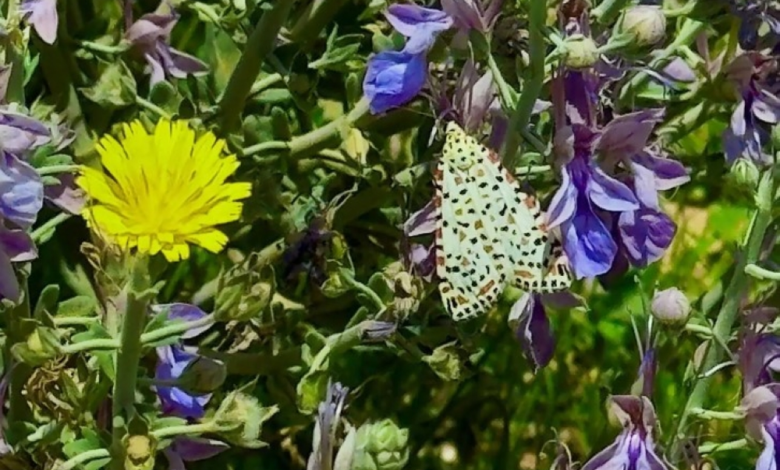

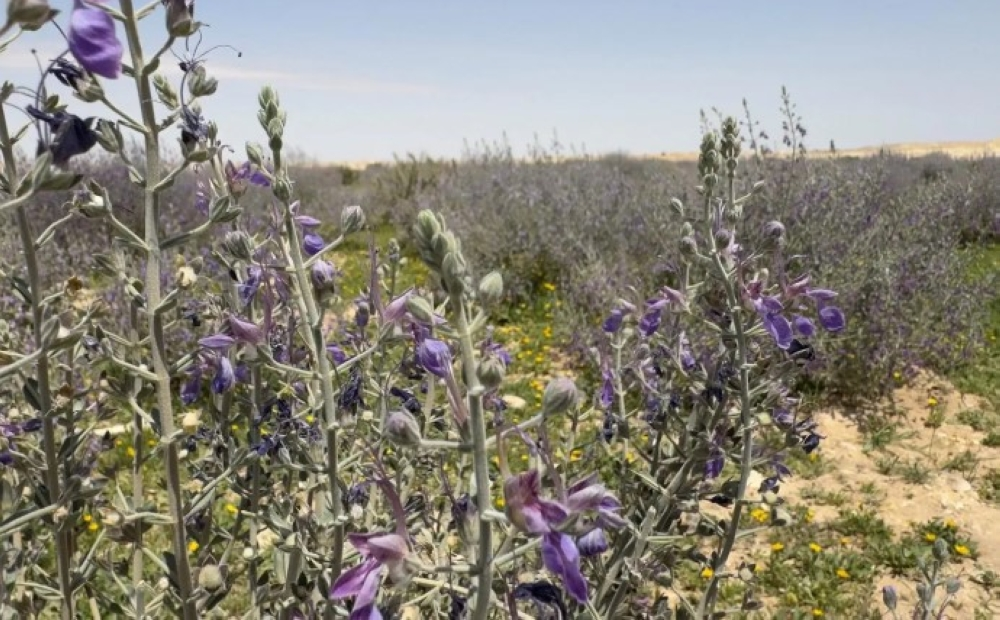
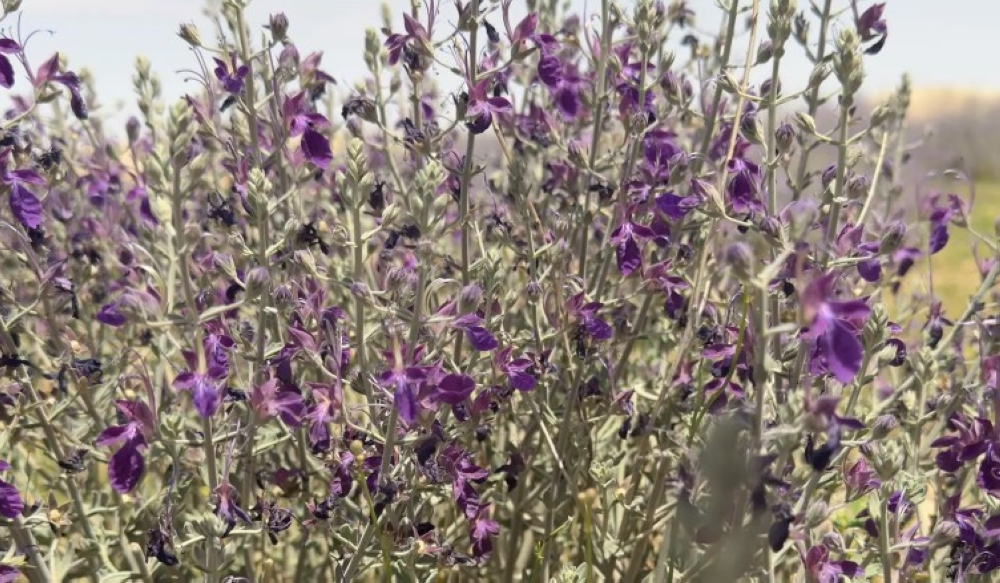
سجلت براري محافظة رفحاء بمنطقة الحدود الشمالية في المملكة العربية السعودية ظاهرة بيئية مبهجة، تمثلت في الحضور اللافت والازدهار الواسع لـ نبات العهين (Teucrium oliverianum). هذا المشهد الطبيعي الخلاب، الذي رُصد تحديداً في منطقة تلاع السبتية غرب المحافظة، لا يقتصر على كونه لوحة جمالية تزين الصحراء، بل يعكس تحسناً ملموساً في الحالة البيئية للمنطقة ومؤشراً قوياً على تعافي الغطاء النباتي.
الخصائص النباتية لـ “العهين”
يُعد نبات “العهين” من أبرز النباتات البرية المتأصلة والمعروفة في شبه الجزيرة العربية. يتميز هذا النبات بخصائص فريدة، فهو دائم أو شبه دائم الخضرة، وتتميز أفرعه بالاستقامة حيث يصل ارتفاعها في بعض الأحيان إلى نحو 70 سنتيمتراً. وما يزيده سحراً هو أزهاره ذات اللون الأزرق البنفسجي الجذاب التي تضفي طابعاً جمالياً استثنائياً على البيئة الصحراوية. وينتمي العهين إلى الفصيلة الشفوية، وهي فصيلة نباتية معروفة بتنوعها وأهميتها البيئية العالية.
الأهمية البيئية ومكافحة التصحر
تلعب عودة انتشار هذا النبات دوراً حيوياً في استقرار النظام البيئي المحلي. فجذوره المتشعبة تعمل كشبكة طبيعية تسهم بفعالية في تثبيت التربة، مما يحد من ظاهرة زحف الرمال وانجراف التربة بفعل الرياح القوية التي تميز المناخ الصحراوي. علاوة على ذلك، يوفر العهين موائل طبيعية ومصادر غذاء غنية لعدد كبير من الكائنات الحية الدقيقة والحشرات، مما يدعم التنوع الحيوي ويعزز السلاسل الغذائية الطبيعية في المنطقة.
السياق التاريخي والمبادرات الوطنية
تاريخياً، ارتبطت النباتات البرية في شبه الجزيرة العربية بحياة البادية، حيث اعتمد عليها السكان المحليون في الرعي واستخراج العسل. ويُصنف “العهين” ضمن النباتات العاسلة الممتازة، مما يجعله مقصداً لمربي النحل لإنتاج أنواع فاخرة من العسل البري. كما يتميز بقدرته الفائقة على التكيف مع الظروف المناخية القاسية، وسرعة تكاثره عبر البذور، حيث يستمر إزهاره لأكثر من ثلاثة أشهر خلال فصل الربيع.
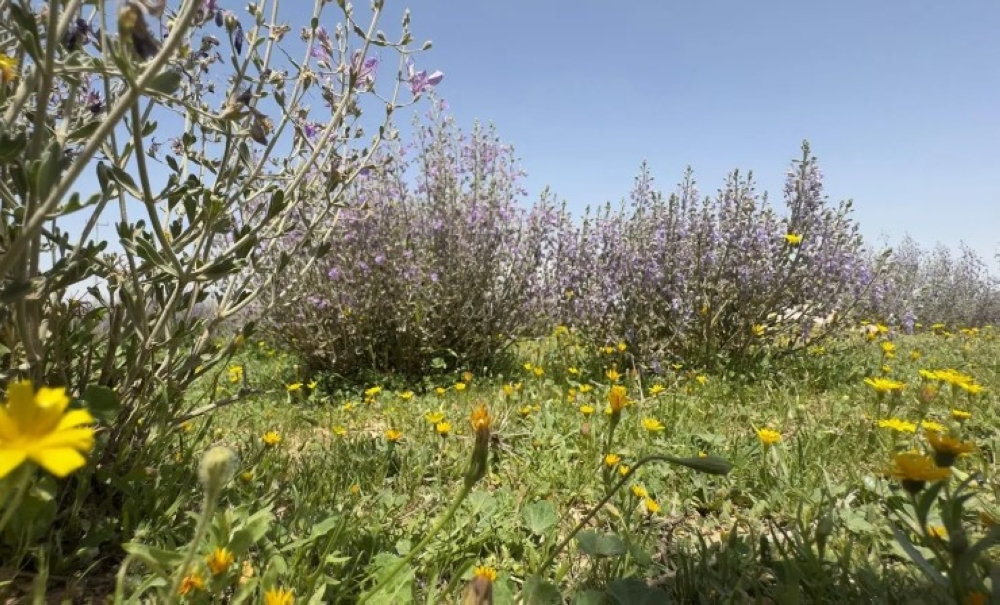
على الصعيد الإقليمي والدولي، تكتسب هذه المؤشرات الإيجابية لتعافي الغطاء النباتي أهمية كبرى، خاصة في ظل الجهود الحثيثة التي تبذلها المملكة العربية السعودية لمكافحة التصحر والتغير المناخي. وتنسجم هذه الظواهر الطبيعية مع أهداف “مبادرة السعودية الخضراء” ورؤية المملكة 2030، التي تسعى إلى إعادة تأهيل الأراضي المتدهورة، وزيادة مساحة الغطاء النباتي، وحماية التنوع البيولوجي. إن استقرار النظام البيئي في المناطق الصحراوية، كما يظهر في براري رفحاء، يثبت قدرة الطبيعة على التجدد متى ما توفرت لها الظروف المناسبة والحماية اللازمة، مما يقدم مشهداً طبيعياً ثرياً يعزز القيمة البيئية والمرعى الطبيعي.