The Ministry of Environment confirms the abundance of poultry production in Saudi Arabia

Stable supply chains and abundant poultry production in Saudi Arabia
Engineer Mansour bin Hilal Al-Mashiti, Deputy Minister of Environment, Water and Agriculture, affirmed the complete stability of the poultry supply chain in the Kingdom of Saudi Arabia. He explained that this stability directly contributes to abundant local production and meeting the growing market demand, thus ensuring the easy and convenient availability of poultry meat and products for consumers at stable prices.
Historical context and shift towards food security
Historically, many countries in the region have relied heavily on imported meat and poultry to meet their populations' needs. However, with the launch of Vision 2030, the Saudi government has developed a comprehensive national food security strategy. This strategy aims to reduce dependence on imports and build a sustainable agricultural and livestock sector capable of withstanding global crises and supply chain disruptions. These efforts have resulted in radical transformations in the poultry sector's infrastructure, supported by government incentives and significant private sector investment.
Record numbers reflect the success of the poultry sector
Engineer Al-Mashiti pointed out that the poultry sector in the Kingdom has achieved significant leaps and unprecedented record-breaking production volumes. Domestic production is expected to exceed 1.5 million tons, meaning a self-sufficiency rate exceeding 76%. These figures not only enhance food security but also strongly support the national economy, aligning perfectly with the objectives of Saudi Vision 2030, which aims to diversify non-oil revenue sources.
Preparing for the Hajj season and meeting the increasing demand
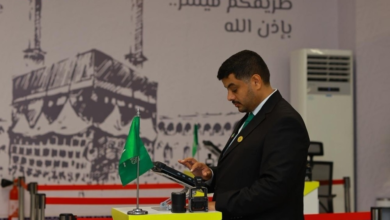
These assurances came during a joint meeting chaired by the Deputy Minister at the Ministry headquarters, which was dedicated to reviewing the current stock levels and projected production for the poultry sector in the coming period, with a focus on preparations for the Hajj season. The meeting included participation from key entities such as the General Authority for Food Security, the National Committee for Poultry Producers, and the National Committee for Feed Manufacturers of the Federation of Saudi Chambers of Commerce.
The importance of this preparation lies in the fact that the Hajj season sees the arrival of millions of pilgrims from around the world, significantly increasing the consumption of poultry meat and its products. Therefore, reassuring markets about the quality of these products and the stability of their prices is a strategic achievement that reflects the Kingdom's ability to manage crowds and provide services according to the highest international standards.
Production and strategic stock statistics
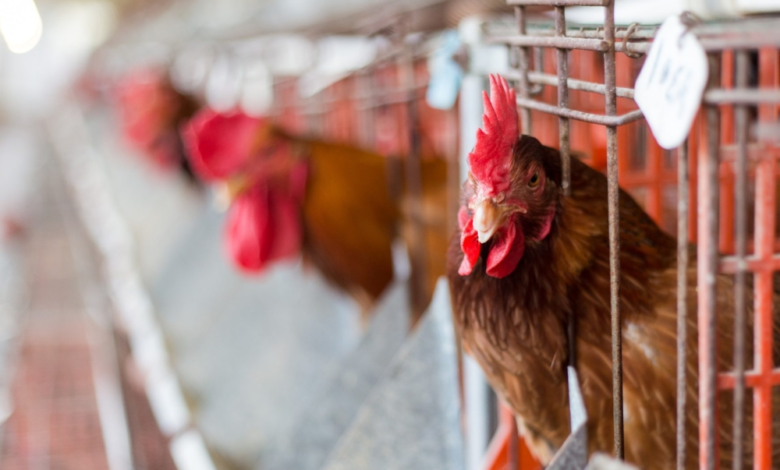
The meeting reviewed detailed data reflecting the sector's strength; monthly broiler chicken production in March reached approximately 125,470 tons, while monthly stocks for the same period amounted to about 16,278 tons. These figures include the production of the top ten companies, which represent 85% of total domestic production.
Regarding large-weight chickens (over 1500 grams), production reached nearly 77,000 tons. Four companies began actual production of these weights at the beginning of this month, which will ensure their availability at all points of sale and retail markets to meet all consumer tastes and needs.
Abundant production of table eggs and feed support
On another note, daily table egg production was estimated at over 24 million eggs, with more than 10 million of those eggs coming from the top 10 producers. Stockpiles exceeded 26.6 million eggs during March, equivalent to approximately 74,000 cartons.
This success would not have been possible without the initiatives and programs launched by the Ministry to support local feed producers, which contributed to increasing local investments in the poultry feed sector, thus providing a fertile environment to enhance and sustain production.
Economic and regional impact
This remarkable development in poultry production in Saudi Arabia has a significant economic impact. Locally, it contributes to creating thousands of jobs and stabilizing prices for citizens and residents. Regionally, it positions the Kingdom as a leading model in achieving food security in a desert environment. Internationally, it demonstrates the resilience of the Saudi economy and its ability to protect its domestic markets from the fluctuations of global supply chains.