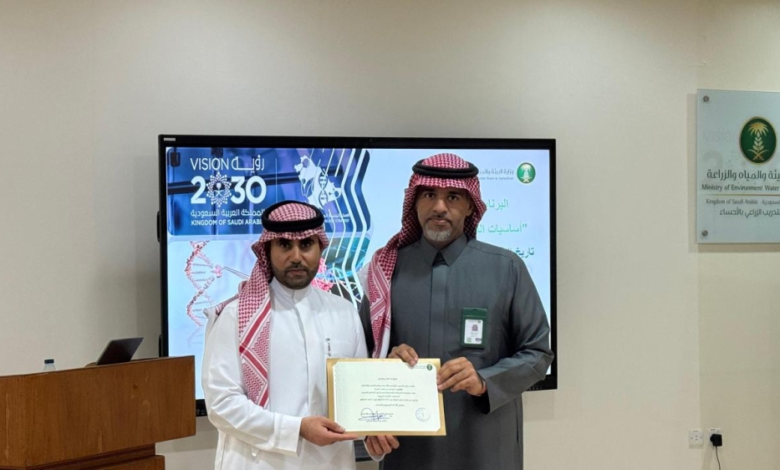

اختتم مركز التدريب الزراعي بمحافظة الأحساء، مؤخراً، فعاليات الدورة التدريبية المتخصصة بعنوان «أساسيات التقنية الحيوية»، والتي استهدفت رفع كفاءة منسوبي وزارة البيئة والمياه والزراعة، وتمكينهم من أحدث التطبيقات العلمية في مجالات الأحياء الجزيئية، بما يتماشى مع التوجهات الاستراتيجية للمملكة.
سياق استراتيجي وطني طموح
تأتي هذه الدورة في وقت تشهد فيه المملكة العربية السعودية حراكاً علمياً وتقنياً غير مسبوق، لا سيما بعد إطلاق سمو ولي العهد للاستراتيجية الوطنية للتقنية الحيوية، التي تهدف إلى تحويل المملكة إلى مركز عالمي رائد في هذا المجال بحلول عام 2040. وتُعد التقنية الحيوية اليوم حجر الزاوية في تطوير قطاعات الزراعة والغذاء، حيث تساهم في تعزيز الأمن الغذائي، وتحسين جودة المحاصيل، ومقاومة الآفات والأمراض النباتية والحيوانية بطرق مبتكرة ومستدامة، مما يجعل تأهيل الكوادر الوطنية في هذا المجال ضرورة ملحة وليست مجرد خيار.
تفاصيل البرنامج التدريبي ومحاوره
استمر البرنامج التدريبي لمدة ثلاثة أيام متتالية، وشهد حضوراً مكثفاً من المختصين والمهتمين من مختلف قطاعات الوزارة. وقدم الدكتور يوسف الحماد، الخبير في مجال التقنية الحيوية، محتوى علمياً ثرياً ركز فيه على:
- شرح مبادئ علم الأحياء الجزيئية بشكل معمق.
- التعريف بتقنيات الحمض النووي (DNA) وآليات تحليلها.
- استعراض التطبيقات العملية لهذه التقنيات في البيئات الزراعية والبيطرية.
- مناقشة سبل الاستفادة من الهندسة الوراثية في تحسين الإنتاج الزراعي والحيواني.
الاستثمار في رأس المال البشري
من جانبه، أكد المهندس أحمد الناشي، مدير مركز التدريب الزراعي بالأحساء، أن المركز يضع على رأس أولوياته الاستثمار في العنصر البشري، مشيراً إلى أن هذه الدورة هدفت بشكل مباشر إلى سد الفجوة المعرفية وتزويد الموظفين بالمهارات اللازمة لمواكبة التسارع التقني العالمي. وأوضح الناشي أن التحول نحو «الزراعة الذكية» والاعتماد على الحلول الحيوية هو المسار المستقبلي الذي تتبناه الوزارة لضمان استدامة الموارد الطبيعية.
الأثر المتوقع ومستقبل القطاع
وتكتسب هذه الدورات أهمية خاصة في منطقة الأحساء، التي تُعد أكبر واحة زراعية في العالم، حيث يمكن لتطبيقات التقنية الحيوية أن تحدث نقلة نوعية في طرق الزراعة التقليدية، مما يعزز من الإنتاجية ويقلل من الهدر المائي والبيئي. وقد شدد الدكتور الحماد خلال جلسات التدريب على أن الاستراتيجية الوطنية تمثل خارطة طريق واضحة، وأن الكوادر الوطنية المؤهلة هي المحرك الأساسي لتحقيق مستهدفات رؤية المملكة 2030 في بناء اقتصاد معرفي قوي ومتنوع.
وفي ختام البرنامج، عبر المشاركون عن استفادتهم الكبيرة من المادة العلمية والتطبيقات العملية المطروحة، مؤكدين جاهزيتهم لنقل هذه الخبرات إلى ميادين العمل الميداني، بما يسهم في تطوير منظومة البيئة والمياه والزراعة في المملكة.