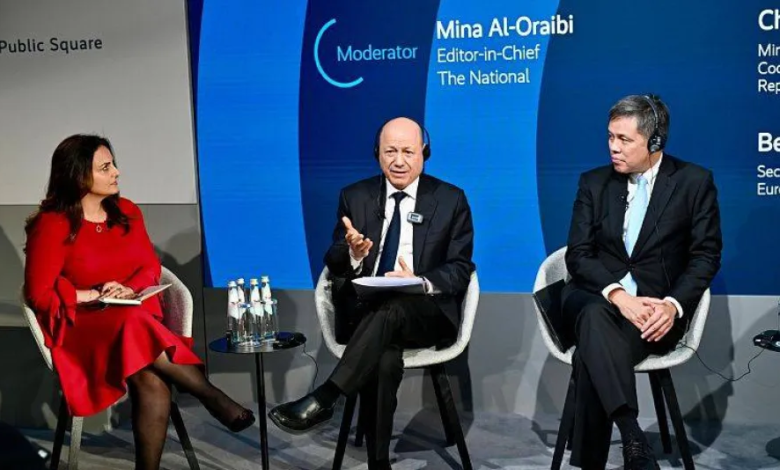

دعا الدكتور رشاد محمد العليمي، رئيس مجلس القيادة الرئاسي في اليمن، المجتمع الدولي إلى تبني مقاربة جديدة وشاملة تجاه قضايا الأمن الإقليمي، وذلك خلال مشاركته الفاعلة في أعمال مؤتمر ميونيخ للأمن. وأكد العليمي أن السياسات التقليدية القائمة على الاحتواء قد أثبتت عدم جدواها في مواجهة التحديات الأمنية المتصاعدة التي تعصف بالمنطقة، مشدداً على ضرورة الانتقال إلى استراتيجيات أكثر حزماً وفاعلية.
رؤية يمنية لمواجهة التحديات الأمنية
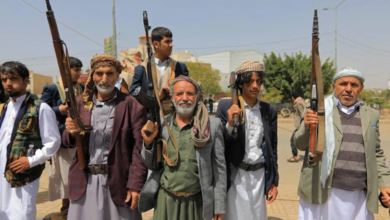
في كلمته التي لاقت اهتماماً واسعاً من قبل صناع القرار والسياسيين المشاركين في المؤتمر، أوضح العليمي أن التهديدات الأمنية لم تعد محصورة في نطاق جغرافي ضيق، بل باتت تشكل خطراً داهماً على السلم والأمن الدوليين. وأشار إلى أن استمرار الميليشيات المسلحة في زعزعة استقرار الدول الوطنية يتطلب وقفة دولية جادة لدعم الحكومات الشرعية وتمكينها من بسط سيطرتها واستعادة مؤسساتها، باعتبارها الضامن الوحيد للأمن والاستقرار المستدام.
أمن البحر الأحمر وتأثيره على الاقتصاد العالمي
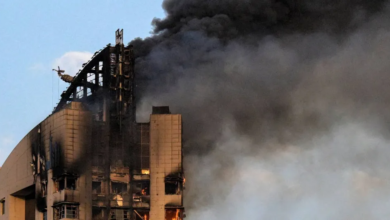
وفي سياق التوسع في شرح أبعاد الأزمة، تطرق رئيس مجلس القيادة الرئاسي إلى التطورات الخطيرة في البحر الأحمر ومضيق باب المندب. وأكد أن التهديدات التي تطال خطوط الملاحة الدولية ليست مجرد حوادث عابرة، بل هي نتيجة مباشرة لتجاهل جذور الصراع في اليمن والمنطقة. وأضاف أن تأمين هذه الممرات الحيوية لا يتم فقط عبر الدوريات البحرية، بل من خلال دعم قدرات الحكومة اليمنية وقوات خفر السواحل للقيام بمهامها في حماية المياه الإقليمية، مما ينعكس إيجاباً على استقرار تدفقات الطاقة والتجارة العالمية.
الخلفية التاريخية وأهمية الشراكة الدولية
تأتي دعوة العليمي في وقت حساس للغاية، حيث يشهد اليمن صراعاً ممتداً منذ سنوات أدى إلى واحدة من أسوأ الأزمات الإنسانية في العالم. ومنذ تشكيل مجلس القيادة الرئاسي، سعت القيادة اليمنية إلى توحيد الصفوف وبناء شراكات استراتيجية مع المجتمع الدولي. ويُعد مؤتمر ميونيخ للأمن منصة عالمية فريدة لمناقشة السياسات الأمنية، مما يجعل من طرح العليمي لهذه الرؤية خطوة محورية لوضع الملف اليمني ضمن أولويات الأجندة الأمنية العالمية، ليس فقط كملف إنساني، بل كملف أمني جيوسياسي يؤثر على استقرار الإقليم وأوروبا والعالم.
نحو استراتيجية ردع شاملة
واختتم العليمي رؤيته بالتأكيد على أن السلام الحقيقي يتطلب توازن القوى وردع المعرقلين، مشيراً إلى أن التساهل مع الجماعات الخارجة عن القانون يشجعها على المزيد من التصعيد. ودعا الشركاء الدوليين إلى إعادة تقييم حساباتهم والعمل على صياغة معادلة أمنية جديدة تضمن حماية المصالح المشتركة وتنهي معاناة الشعوب التي تكتوي بنار الصراعات والحروب بالوكالة.