Al-Alimi: We reject the imposition of a fait accompli by force in Hadramawt and Al-Mahra

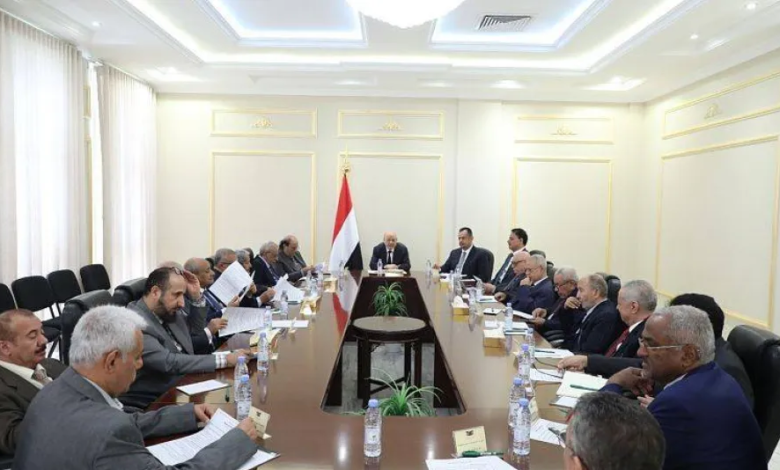
Dr. Rashad Muhammad al-Alimi, head of the Presidential Leadership Council in Yemen, affirmed the state's firm stance against any attempts to destabilize the region or impose political and military agendas by force in the eastern governorates, specifically Hadramawt and al-Mahra. These statements were intended to preempt any actions that might threaten public order in these strategic areas, which have remained relatively untouched by direct military conflict in recent years.
Al-Alimi emphasized that the Presidential Leadership Council is working diligently to unify the national ranks and direct efforts toward restoring the state and its institutions. He pointed out that any escalation in the liberated areas only serves the Houthi militias and the destructive projects that are lying in wait for Yemen. He clarified that the state will not compromise on protecting the social fabric in Hadramawt and Al-Mahra, and will stand as an impenetrable barrier against any formations or forces that attempt to overstep the state's authority or impose their choices on the people of these governorates by force of arms.
The strategic importance of the eastern governorates
Al-Alimi's statements are particularly significant given the geopolitical and economic weight of the Hadramawt and Al-Mahra governorates. Hadramawt, the largest governorate in Yemen by area, represents the country's most important economic resource thanks to its oil and mineral wealth, in addition to being a strategic and historical depth for the Yemeni state. Al-Mahra, described as Yemen's eastern gateway, possesses a long coastline and a land border with the Sultanate of Oman, making its stability a cornerstone of regional, not just local, security.
Context of challenges and unifying the home front
This firm stance comes at a critical political juncture for Yemen, following the formation of the Presidential Leadership Council in April 2022, which aimed to unify forces opposed to the Houthi coup. The legitimate government faces numerous challenges, including the need to integrate military and security formations under the Ministries of Defense and Interior, and to ensure that liberated governorates do not descend into internal conflicts that could weaken the government's negotiating and military position.
Observers of Yemeni affairs believe that maintaining stability in Hadramawt and Al-Mahra is a true test of the Presidential Leadership Council's ability to manage political differences and assert state authority. Stability in these regions not only secures economic resources but also sends a reassuring message to the international and regional community that the legitimate government is capable of governing the areas under its control and providing services to citizens, which will positively impact the overall peace process in Yemen.