Al-Alimi: The state's monopoly on weapons is a fundamental condition for peace in Yemen

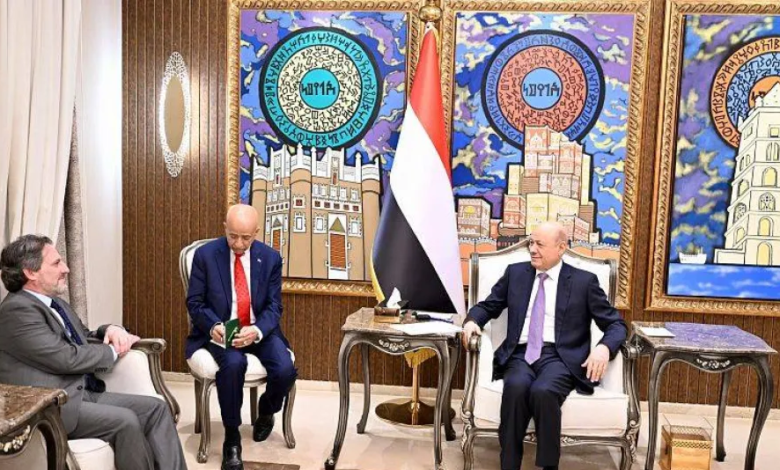
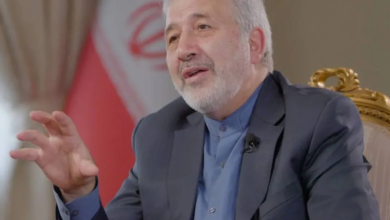
Dr. Rashad Muhammad al-Alimi, Chairman of the Presidential Leadership Council in Yemen, affirmed the legitimate leadership's unwavering position that state institutions must be restored and that the state must have a monopoly on the use of force and the exercise of power, as this is the only path to achieving lasting peace and stability in the country. This affirmation comes amidst ongoing efforts to unify the national ranks and confront the security and military challenges imposed by years of protracted war.
Al-Alimi emphasizes in various local and international forums that the presence of armed militias outside the framework of the state constitutes the greatest obstacle to any genuine political settlement. This view is based on the three nationally, regionally, and internationally agreed-upon frameworks: the Gulf Cooperation Council Initiative and its Implementation Mechanism, the outcomes of the Comprehensive National Dialogue Conference, and relevant UN Security Council resolutions, specifically Resolution 2216, which clearly stipulates the necessity for militias to hand over their heavy and medium weapons to the state.
Historical Background and Conflict Context:
Since the Houthi coup in September 2014, Yemen has been experiencing a state of security chaos due to the proliferation of weapons outside the control of the official military and security institutions. This lawlessness has led to the erosion of state sovereignty and the growing influence of armed groups operating with agendas that do not serve the supreme national interest. The formation of the Presidential Leadership Council in April 2022 was a pivotal step towards unifying the anti-coup front, with the aim of restoring the state and enforcing the rule of law.
The strategic importance of monopolizing weapons
extends beyond security to encompass economic and humanitarian aspects. A strong state that holds a monopoly on force is the only guarantee for securing international shipping lanes in the Red Sea and the Bab el-Mandeb Strait, a matter of direct concern to the international community. Furthermore, security is a prerequisite for the return of investments, the resumption of oil and gas exports, and the improvement of the national currency's exchange rate, which has deteriorated to an unprecedented degree, negatively impacting the living standards of citizens.
Observers believe that Al-Alimi’s insistence on this principle reflects a genuine desire to build a modern civil state, free from the rule of militias and sects, which requires continued international and regional support to pressure the parties obstructing peace to seriously engage in the process of disarmament and the restoration of state institutions.