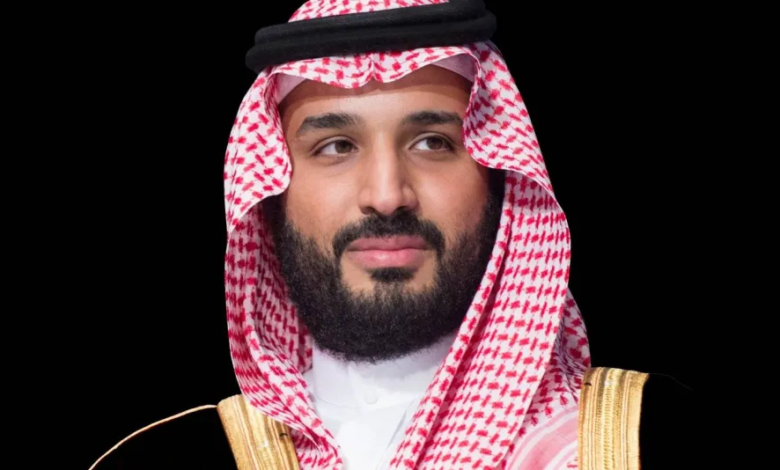
The Saudi Crown Prince and the Mauritanian President discuss regional stability

Introduction to the Saudi-Mauritanian talks
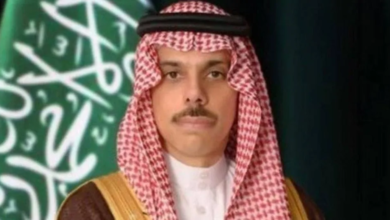
His Royal Highness Prince Mohammed bin Salman bin Abdulaziz, Crown Prince and Prime Minister of the Kingdom of Saudi Arabia, met with His Excellency President Mohamed Ould Cheikh Ghazouani of the Islamic Republic of Mauritania to discuss current regional developments and the repercussions of military escalation on the security and stability of the region. This meeting is part of the Kingdom of Saudi Arabia's ongoing and intensive diplomatic efforts aimed at unifying Arab perspectives and working together to mitigate the crises plaguing the Middle East.
Details of the talks and the importance of de-escalation
The bilateral talks between the Saudi Crown Prince and the Mauritanian President focused on reviewing the latest developments in the region, particularly in light of the recent escalation that threatens regional and international peace and security. Both sides emphasized the paramount importance of concerted Arab and international efforts to halt the deteriorating situation and to work diligently towards finding peaceful solutions that guarantee the stability of nations and protect innocent civilians. They also stressed the necessity of respecting international law and UN charters to spare the region further conflicts that could negatively impact development and economic progress.
The depth of historical relations between Riyadh and Nouakchott
Relations between the Kingdom of Saudi Arabia and the Islamic Republic of Mauritania are based on solid historical foundations and deep religious and cultural ties. The Kingdom has consistently stood by Mauritania in various international forums and provided ongoing support for its development and infrastructure projects. In return, Mauritania consistently supports Saudi Arabia's efforts to establish security and stability in the Arab and Islamic worlds. This continuous coordination reflects a strategic alignment of views on regional and international issues, making consultation between the two leaderships vital and essential, especially during times of crisis.
The repercussions of the escalation on the stability of the Middle East and Africa
The current escalation in the Middle East carries serious repercussions that extend beyond the geographical boundaries of the conflicting countries, directly impacting international maritime security, the stability of global energy markets, and the flow of supply chains. For the Arab region, this escalation presents a highly complex security and economic challenge. Hence, the pivotal role played by the Kingdom of Saudi Arabia, as an influential regional and international power, in leading de-escalation efforts becomes paramount. Furthermore, Mauritania, as a key player in the Sahel region of Africa, plays a crucial role in preventing the spillover of instability into the African continent, which itself faces its own security and development challenges.
Joint efforts towards de-escalation and sustainable peace
At the conclusion of their talks, the Saudi Crown Prince and the Mauritanian President reaffirmed their commitment to continued bilateral coordination and consultation on various issues of mutual interest. They emphasized their support for all regional and international initiatives aimed at de-escalation and a swift return to dialogue and diplomacy. This Saudi-Mauritanian consensus sends a strong message to the international community about the necessity of upholding its legal and moral responsibilities in maintaining security and peace, and of intervening urgently to halt any actions that could drag the region into wider conflicts. Saudi diplomacy continues its active engagement with various leaders to ensure a secure and stable future for all the peoples of the region.