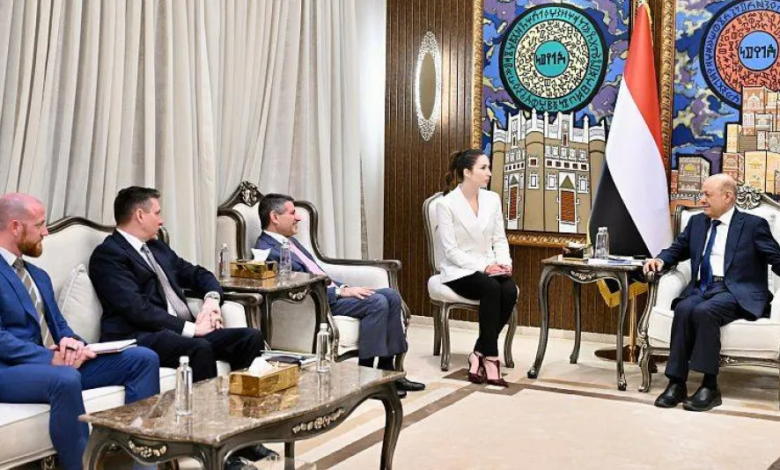

في تصريح يعكس عمق الأزمة اليمنية وتشابكها الإقليمي، وجه فخامة الرئيس الدكتور رشاد محمد العليمي، رئيس مجلس القيادة الرئاسي في اليمن، تحذيراً قوياً للمجتمع الدولي، مؤكداً أن الرهان على اعتدال النظام الإيراني هو رهان خاسر لن يقود إلا إلى مزيد من الفوضى والدمار في اليمن والمنطقة بأسرها. ويأتي هذا الموقف في سياق الجهود الدبلوماسية المتعثرة لإنهاء الحرب، وتسليطاً للضوء على الدور الذي تلعبه طهران كعامل رئيسي في زعزعة الاستقرار.
خلفية تاريخية وسياق الصراع
لفهم أبعاد تصريح الرئيس العليمي، لا بد من العودة إلى جذور الصراع اليمني الذي اندلع بشكل واسع في عام 2014، عندما سيطرت ميليشيا الحوثي، المدعومة من إيران، على العاصمة صنعاء ومؤسسات الدولة بقوة السلاح. هذا الانقلاب أدى إلى تدخل عسكري بقيادة المملكة العربية السعودية في مارس 2015 لدعم الحكومة الشرعية المعترف بها دولياً. ومنذ ذلك الحين، تحول اليمن إلى ساحة لواحدة من أسوأ الأزمات الإنسانية في العالم، حيث يُنظر إلى الصراع على أنه حرب بالوكالة بين القوى الإقليمية، وتحديداً بين السعودية وإيران. وتتهم الحكومة اليمنية وقوى إقليمية ودولية عديدة إيران بتقديم دعم عسكري ولوجستي ومالي واسع النطاق للحوثيين، بما في ذلك تزويدهم بالصواريخ الباليستية والطائرات بدون طيار التي استُخدمت لمهاجمة أهداف مدنية واقتصادية داخل اليمن وفي دول الجوار.
أهمية التحذير وتأثيره المتوقع
تكمن أهمية تصريحات العليمي في كونها دعوة مباشرة للمجتمع الدولي لإعادة تقييم سياساته تجاه إيران. ففي الوقت الذي تسعى فيه بعض القوى الدولية إلى إحياء الاتفاق النووي أو فتح قنوات حوار مع طهران أملاً في “اعتدال” سلوكها، يرى العليمي أن هذا النهج يتجاهل الأدلة الملموسة على الأرض. فالدعم الإيراني المستمر للميليشيات المسلحة في المنطقة، ليس فقط في اليمن بل في لبنان وسوريا والعراق أيضاً، يمثل استراتيجية ثابتة للنظام الإيراني لتوسيع نفوذه وتقويض استقرار الدول العربية.
التأثير المحلي والإقليمي والدولي
- محلياً: استمرار الدعم الإيراني للحوثيين يعني إطالة أمد الحرب، وتعميق الكارثة الإنسانية، وتقويض أي فرصة حقيقية للتوصل إلى تسوية سياسية شاملة وعادلة تلبي تطلعات الشعب اليمني في استعادة دولته وأمنه.
- إقليمياً: يمثل السلوك الإيراني تهديداً مباشراً لأمن الملاحة الدولية في البحر الأحمر ومضيق باب المندب، وهو شريان حيوي للتجارة العالمية. كما أن الهجمات الحوثية العابرة للحدود تهدد أمن واستقرار دول الجوار، وعلى رأسها المملكة العربية السعودية ودولة الإمارات العربية المتحدة.
- دولياً: يضع هذا السلوك تحدياً أمام مصداقية القرارات الدولية، مثل قرارات حظر توريد الأسلحة للحوثيين، ويجعل من الصعب بناء نظام أمني مستقر في الشرق الأوسط، مما يؤثر على أسواق الطاقة العالمية والأمن الدولي بشكل عام.
وفي الختام، يمثل موقف الرئيس العليمي صرخة واقعية تطالب العالم بالتعامل مع جذور المشكلة، مؤكداً أن السلام المستدام في اليمن لن يتحقق إلا من خلال موقف دولي حازم وموحد يضغط على إيران لوقف تدخلاتها المزعزعة للاستقرار، ودعم الحكومة الشرعية لفرض سيطرتها على كامل التراب اليمني.