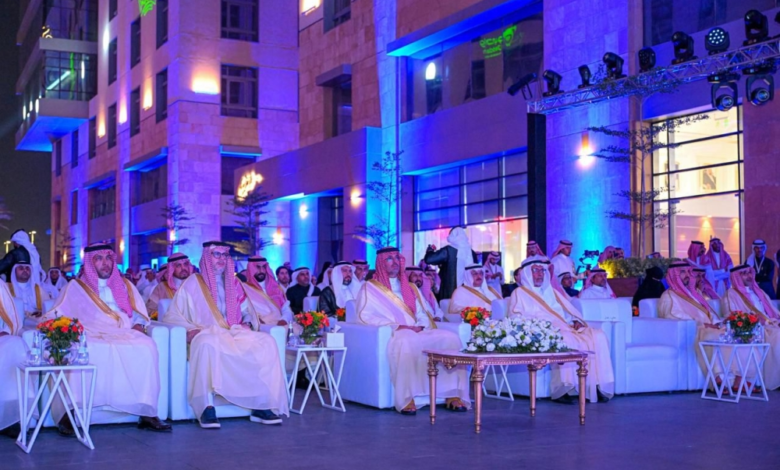
Launch of the Innovation Zone in Jeddah Valley to support entrepreneurship

In a strategic move reflecting the growing trend towards strengthening the knowledge-based economy in Saudi Arabia, Jeddah Valley, the investment arm of King Abdulaziz University, announced the launch of its Innovation and Entrepreneurship Zone. This initiative is part of a broader movement aimed at empowering students, entrepreneurs, and startup founders by providing a fertile environment that transforms theoretical ideas and patents into tangible, scalable, and sustainable commercial projects.
A strategic context that aligns with the Kingdom's Vision 2030
This launch is not a mere coincidence; it is central to the fundamental transformations underway in the Kingdom's higher education sector, which is striving to align with the goals of Vision 2030.The Vision focuses directly on transforming universities from traditional educational institutions into beacons of innovation and entrepreneurship, contributing effectively to the GDP. University investment arms, such as Jeddah Valley, play a pivotal role in bridging the gap between scientific research and market demands, thus strengthening the Kingdom's position as a regional hub for innovation and technology.
Project details and allocated budget
During the inauguration ceremony, Mr. Abdulrahman Al-Maliki, Director of Shared Services at Jeddah Valley, revealed that an initial budget of approximately 30 million Saudi Riyals. He explained that this budget is designated for the first phase, with plans to increase it in the future based on performance and growth indicators. This funding primarily aims to:
- Embracing student and research innovations.
- Supporting, registering, and protecting patents.
- Enabling startups to access the necessary resources.
- Building sustainable strategic partnerships with the public and private sectors.
An integrated environment for building the future
Al-Maliki emphasized that the launch of the zone aims to create an integrated ecosystem both within and outside the university. This ecosystem not only provides financial support but also guidance and mentorship, enabling innovators to develop and commercialize their inventions. He noted that supporting innovation is a cornerstone of the Jeddah Valley strategy, and that the current phase represents a qualitative leap forward, bringing together all stakeholders in the innovation ecosystem, including academic researchers and investors from outside the university.
Economic impact and future plans
The Innovation and Entrepreneurship Zone is expected to have a tangible positive impact on the local economy of the Makkah region and the Kingdom as a whole. By transforming patents into commercial products, the project contributes to creating new, high-quality job opportunities and attracting venture capital. Al-Maliki added that the future plan aims to strengthen King Abdulaziz University's role as an engine of economic development, thus solidifying the concept of an "entrepreneurial university" and creating promising investment opportunities for entrepreneurs, ensuring the sustainability of startups and their ability to compete in local and regional markets.