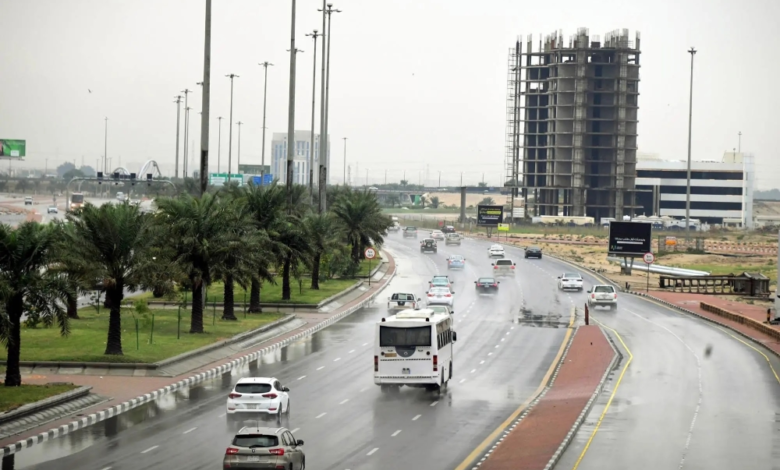

أصدر المركز الوطني للأرصاد في المملكة العربية السعودية تنبيهات هامة وعاجلة بشأن حالة الطقس المتوقعة، حيث حذر من هطول أمطار غزيرة إلى متوسطة على منطقة الباحة. وتأتي هذه التحذيرات في إطار المتابعة المستمرة للتقلبات الجوية التي تشهدها المنطقة، حيث من المتوقع أن تستمر هذه الحالة المطرية بمشيئة الله تعالى حتى الساعة التاسعة من مساء اليوم.
تفاصيل الحالة الجوية والظواهر المصاحبة
وأوضح التقرير الصادر عن الأرصاد أن هذه الأمطار لن تقتصر على الهطول المائي فحسب، بل ستكون مصحوبة بمجموعة من الظواهر الجوية الشديدة. تشمل هذه الظواهر رياحاً عاتية تؤدي إلى شبه انعدام في مدى الرؤية الأفقية، مما يشكل خطراً حقيقياً على قائدي المركبات في الطرق المفتوحة والجبلية. كما حذر المركز بشدة من جريان السيول في الأودية والشعاب، وتساقط زخات من البرد، بالإضافة إلى صواعق رعدية عنيفة.
وتشمل المناطق المتأثرة بهذه الحالة الجوية بشكل مباشر مدينة الباحة، ومحافظات القرى، والمندق، وبلجرشي، وبني حسن، والعقيق، والأجزاء المجاورة لها. وفي سياق متصل، شملت التنبيهات هطول أمطار متوسطة مصحوبة بنفس التأثيرات على محافظات القطاع التهامي، والتي تضم المخواة، وقلوة، والحجرة، وغامد الزناد.
الطبيعة الجغرافية والتاريخ المناخي للمنطقة
تتميز منطقة الباحة بتضاريسها الجغرافية الفريدة التي تجمع بين جبال السروات الشاهقة والسهول التهامية المنخفضة. هذا التنوع الجغرافي يجعلها من أكثر مناطق المملكة عرضة للتقلبات الجوية السريعة وتكون السحب الركامية الرعدية، خاصة خلال فترات الانتقال بين الفصول. تاريخياً، تعتبر الباحة من المناطق ذات المعدلات المطرية العالية مقارنة بباقي مناطق المملكة، وتعتمد زراعتها المدرجية الشهيرة بشكل كبير على هذه الأمطار الموسمية التي تساهم في ري المدرجات الزراعية وتغذية المخزون الاستراتيجي للمياه الجوفية.
التأثيرات المحلية والإقليمية للتقلبات الجوية
على الصعيد المحلي، تلعب هذه الأمطار دوراً حيوياً في دعم الغطاء النباتي وتنشيط السياحة البيئية في المنطقة، إلا أنها تتطلب في الوقت ذاته حذراً شديداً من قبل الأهالي والزوار، خاصة عند ارتياد الطرق الجبلية المعروفة بـ “العقبات” والتي قد تشهد انهيارات صخرية أو ضباباً كثيفاً يعيق الرؤية. إقليمياً، تعكس هذه الحالة الجوية التغيرات المناخية الملحوظة التي تشهدها شبه الجزيرة العربية، حيث زادت وتيرة الحالات المطرية المتطرفة في السنوات الأخيرة. ودولياً، يربط خبراء المناخ والأرصاد هذه التغيرات بظواهر مناخية عالمية تؤثر على مسارات المنخفضات الجوية، مما يجعل المناطق الجافة وشبه الجافة في الشرق الأوسط تشهد معدلات هطول غير معتادة.
إرشادات السلامة والدفاع المدني
وتؤكد المديرية العامة للدفاع المدني دائماً، بالتزامن مع تحذيرات المركز الوطني للأرصاد، على ضرورة أخذ أقصى درجات الحيطة والحذر. وتشدد على أهمية الابتعاد عن بطون الأودية ومجاري السيول، وتجنب التواجد في الأماكن المكشوفة أو استخدام الهواتف المحمولة أثناء العواصف الرعدية. إن الالتزام الدقيق بهذه التوجيهات يعد أمراً بالغ الأهمية لضمان سلامة الأرواح والممتلكات حتى انتهاء هذه الحالة الجوية الاستثنائية.