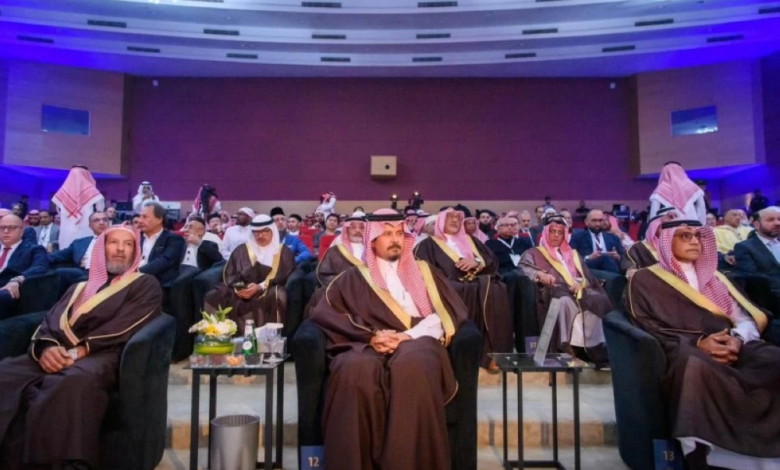

برعاية كريمة من صاحب السمو الملكي الأمير سلمان بن سلطان بن عبدالعزيز، أمير منطقة المدينة المنورة، انطلقت أعمال الدورة السادسة والأربعين لندوة البركة للاقتصاد الإسلامي، التي ينظمها منتدى البركة في رحاب جامعة الأمير مقرن بن عبدالعزيز. وتأتي هذه الدورة تحت شعار استراتيجي يحمل عنوان «قطاع البر والإحسان في الاقتصاد الإسلامي.. نحو مستقبل جديد»، وسط حضور نخبة من العلماء والخبراء الاقتصاديين من مختلف دول العالم الإسلامي.
تاريخ عريق ومستقبل واعد للاقتصاد الإسلامي
تكتسب ندوة البركة أهمية خاصة في الأوساط الاقتصادية والشرعية، حيث تعد واحدة من أقدم المنابر العالمية التي أسهمت على مدار أكثر من أربعة عقود في تأصيل فقه المعاملات المالية الإسلامية. وقد شكلت قرارات وفتاوى الندوة في دوراتها السابقة مرجعاً أساسياً للمؤسسات المالية الإسلامية حول العالم، مما ساعد في تطوير الأدوات المصرفية التي نراها اليوم. وتأتي الدورة الحالية لتستكمل هذه المسيرة عبر تسليط الضوء على "القطاع الثالث" أو القطاع غير الربحي، باعتباره ركيزة أساسية للتنمية وليس مجرد عمل خيري هامشي.
عبدالله كامل: البر والإحسان محرك اقتصادي أصيل
وفي كلمته الافتتاحية، أكد الأستاذ عبدالله صالح كامل، رئيس مجلس أمناء منتدى البركة للاقتصاد الإسلامي ورئيس مجلس إدارة اتحاد الغرف السعودية، أن اختيار شعار هذا العام لم يأتِ من فراغ، بل هو قراءة استشرافية لمستقبل الاقتصاد الإسلامي. وأوضح «كامل» أن قطاع البر والإحسان يمثل الكتلة الأكبر والأكثر تأثيراً في منظومة الاقتصاد القيمي، مشدداً على أن التنمية المستدامة الحقيقية لا يمكن أن تتحقق بمعزل عن هذا القطاع. وأشار إلى أن الرؤية الحديثة تتطلب التعامل مع البر والإحسان كمكون اقتصادي أصيل يولد فرص العمل ويدعم الناتج المحلي، متجاوزاً المفهوم التقليدي للعمل الخيري التكميلي.
وأضاف «كامل» أن مسيرة الندوة التي أسسها والده الشيخ صالح كامل -رحمه الله- نجحت في بناء البنية التحتية للمصرفية الإسلامية، واليوم تنتقل إلى مرحلة "اقتصاد القيم" الذي يرتكز على ثلاثة مسارات متكاملة: تفعيل اقتصاد البر، تعظيم دور رأس المال في التنمية، والالتزام بالأخلاق كمعيار حاكم للمعاملات. ونوه بأن الأدوات المالية الإسلامية مثل الصكوك والتأمين التكافلي، مع دمجها بالتقنيات المالية الحديثة (FinTech)، ستكون حجر الزاوية في المرحلة المقبلة.
النموذج السعودي والبعد الروحي للمدينة المنورة
من جانبه، ألقى مفتي الجمهورية التونسية، الشيخ هشام بن محمود، كلمة مؤثرة ربط فيها بين مكان انعقاد الندوة وموضوعها، مؤكداً أن المدينة المنورة هي مهد "اقتصاد التكافل" الذي أرساه النبي الكريم من خلال المؤاخاة بين المهاجرين والأنصار. وأشاد المفتي بالدور الريادي للمملكة العربية السعودية وقيادتها في دعم العمل التنموي والإنساني، مستشهداً بتجربة «مجموعة البركة» في تونس كنموذج ناجح يجمع بين الاستثمار والمسؤولية الاجتماعية.
شراكات استراتيجية لتعزيز البحث العلمي
وشهد الحفل توقيع ثلاث مذكرات تفاهم استراتيجية تهدف إلى ردم الفجوة بين التنظير والتطبيق في الاقتصاد الإسلامي. شملت الاتفاقيات تعاوناً مع الجامعة الإسلامية بالمدينة المنورة لتطوير برامج تنمية الإنسان، وشراكة مع جامعة (INCEIF) العالمية لدعم الأبحاث المتخصصة، إضافة إلى اتفاقية مع معهد الاقتصاد الإسلامي بجامعة الملك عبدالعزيز لتعزيز التكامل المعرفي. وتأتي هذه الشراكات لتؤكد التزام منتدى البركة بتطوير الكوادر البشرية ورفد المكتبة الاقتصادية بأبحاث تواكب تحديات العصر.