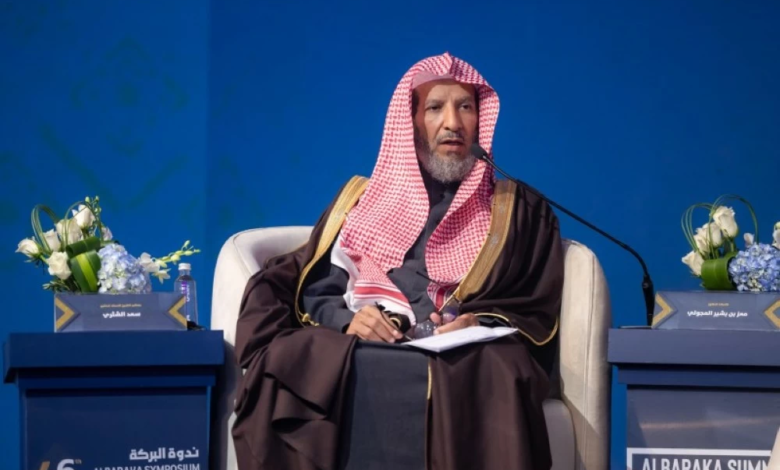

انطلقت في رحاب المدينة المنورة، وتحديداً في مقر جامعة الأمير مقرن بن عبدالعزيز، أعمال الدورة السادسة والأربعين من «ندوة البركة للاقتصاد الإسلامي»، والتي تعد واحدة من أبرز المنصات الاقتصادية والفكرية المتخصصة على مستوى العالم الإسلامي. وتأتي هذه الدورة تحت عنوان استراتيجي هام: «قطاع البر والإحسان في الاقتصاد الإسلامي: نحو مستقبل جديد»، بمشاركة واسعة لنخبة من العلماء، وقادة الفكر المالي، وصناع القرار، وممثلي المؤسسات المالية والتنموية من 18 دولة، مما يعكس الزخم الدولي الذي تحظى به هذه الندوة العريقة.
تاريخ عريق ومكانة ريادية في الاقتصاد الإسلامي
تكتسب ندوة البركة أهميتها من تاريخها الطويل الذي يمتد لعقود، حيث شكلت منذ انطلاقتها حجر الزاوية في تأصيل المعاملات المالية الإسلامية المعاصرة. وتعد قرارات وفتاوى ندوات البركة مرجعاً أساسياً للمجامع الفقهية والمؤسسات المالية الإسلامية حول العالم. وفي هذه النسخة الـ46، تواصل الندوة رسالتها في تجديد الخطاب الاقتصادي الإسلامي، مسلطة الضوء على «الاقتصاد الثالث» أو القطاع غير الربحي، وكيفية تحويله من مجرد أعمال إغاثية مؤقتة إلى محرك تنموي مستدام يساهم في الناتج المحلي للدول الإسلامية.
أبعاد اقتصادية وشرعية متكاملة
وفي كلمته الافتتاحية، شدد الأمين العام لمنتدى البركة للاقتصاد الإسلامي، يوسف خلاوي، على محورية موضوع الندوة، مؤكداً أن تناول البعد الاقتصادي لقطاع البر والإحسان لا يمكن فصله عن جذوره الشرعية وآثاره الاجتماعية. وأشار إلى أن المصارف الإسلامية، التي كان لندوات البركة دور تأسيسي في نشأتها، مدعوة اليوم للعب دور أكبر في تطوير هذا القطاع الحيوي.
من جانبه، أوضح العلامة الشيخ محمد تقي العثماني، رئيس المجلس الشرعي، أن قطاع البر والإحسان يمثل أحد أكمل جوانب الاقتصاد الإسلامي وأكثرها إشراقاً، مشيداً بالدور المحوري الذي لعبته ندوات البركة عبر تاريخها في تطوير الصناعة المالية الإسلامية وتعميق قضاياها الفكرية والشرعية، مما جعلها منارة يهتدي بها الباحثون والممارسون في هذا المجال.
مناقشات معمقة حول التنمية المستدامة
شهدت الجلسات العلمية نقاشات مستفيضة حول المفاهيم الأصيلة للقطاع. وفي الجلسة الأولى، أكد معالي الشيخ سعد الشثري، عضو هيئة كبار العلماء، أن البر والإحسان ليسا مجرد سلوك أخلاقي، بل هما أصل جوهري في بنية الاقتصاد الإسلامي. وأوضح أن تفعيل هذا القطاع يسهم بشكل مباشر في معالجة الفقر وتحويل المحتاجين إلى عناصر منتجة وفاعلة في المجتمع، داعياً إلى ضرورة الجمع بين التأصيل الشرعي الدقيق وقياس الأثر الاقتصادي والاجتماعي للمشاريع الخيرية.
من التبرع إلى الشراكة الاستراتيجية
ركزت الجلسة الثانية ومداخلات المشاركين على ضرورة إعادة هندسة قطاع البر والإحسان ليكون وظيفياً وتمكينياً. وتمت مناقشة آليات تعزيز الحوكمة والكفاءة المؤسسية، واستعراض أنماط الإحسان المختلفة مثل الزكاة، والصدقات، والقرض الحسن، والأوقاف. وقد أجمع الخبراء على ضرورة انتقال المصارف الإسلامية من دور «التبرع» التقليدي إلى «الشراكة الاستراتيجية» عبر ابتكار أدوات استثمارية حديثة تضمن استدامة الموارد.
واختتمت أعمال اليوم الأول بجلسة هامة تناولت «الاستثمار الخيري المنضبط شرعياً»، حيث تم التأكيد على أهمية تطوير الأوقاف واستثمار أموال الزكاة بطرق تضمن النماء والاستدامة، مع وضع معايير دقيقة لقياس الأثر التنموي، بما يحقق تكافلاً اجتماعياً حقيقياً واستدامة اقتصادية طويلة الأمد.