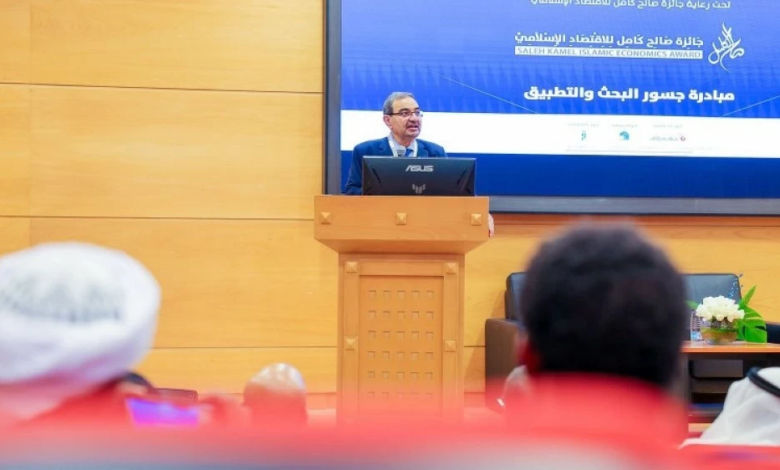

اختتمت ندوة البركة للاقتصاد الإسلامي أعمال دورتها السادسة والأربعين، التي عُقدت تحت عنوان «قطاع البر والإحسان في الاقتصاد الإسلامي: نحو مستقبل جديد»، بمشاركة واسعة من نخبة العلماء والخبراء الاقتصاديين والمصرفيين من مختلف دول العالم. وقد شكلت هذه الدورة منعطفاً هاماً في مسيرة الاقتصاد الإسلامي، حيث ركزت النقاشات على الانتقال من التركيز التقليدي على المصرفية التجارية إلى آفاق أرحب تشمل التنمية الاجتماعية والاقتصاد التضامني.
تحول استراتيجي: من المصرفية إلى اقتصاد البر
في سياق التطور التاريخي للاقتصاد الإسلامي، أكد الأمين العام لمنتدى البركة، يوسف حسن خلاوي، أن المصرفية الإسلامية كانت العنوان الأبرز خلال الخمسين عاماً الماضية، حيث نجحت في ترسيخ وجودها المؤسسي عالمياً. ومع ذلك، تأتي هذه الندوة لتسلط الضوء على المرحلة المقبلة التي تتطلب تفعيل «اقتصاد البر والإحسان» كإطار أشمل. هذا التحول يعكس نضج التجربة ورغبة القائمين عليها في تعزيز الأثر التنموي والاجتماعي للأموال، بما يتجاوز مجرد المعاملات التجارية إلى تحقيق مقاصد الشريعة في التكافل والعدالة الاجتماعية.
الابتكار في الوقف والصكوك
شهدت الجلسات العلمية طرحاً متقدماً لأدوات الهندسة المالية، حيث قدم الدكتور إلياس دردور من جامعة الزيتونة رؤية حول «الصكوك الوقفية والصناديق الوقفية». وتكتسب هذه الأدوات أهمية قصوى في الوقت الراهن، إذ تمثل حلولاً مبتكرة لضمان استدامة الأصول الوقفية وتعظيم عوائدها. ولم يعد الوقف مجرد عمل خيري تقليدي، بل تحول إلى رافعة اقتصادية قادرة على تمويل مشاريع البنية التحتية والخدمات الاجتماعية، وهو ما يتناغم مع التوجهات العالمية نحو التمويل المستدام.
التوافق مع رؤية 2030 والنمو الديموغرافية
ناقشت الندوة تقاطعات هامة مع رؤية المملكة 2030، لا سيما فيما يتعلق برفع مساهمة القطاع غير الربحي في الناتج المحلي الإجمالي إلى 5%. وأشار الدكتور عبدالله الغامدي إلى أن أصول الأوقاف في المملكة تُقدر بنحو 430 مليار ريال، مما يشكل قاعدة صلبة لتحقيق هذه المستهدفات. وبالتوازي مع ذلك، استعرضت الدكتورة إيمان شادي الفرص الكامنة في «النمو الديموغرافي» للعالم الإسلامي، مؤكدة أن القوة البشرية الشابة تمثل سوقاً واعدة للمنتجات المتوافقة مع الشريعة، شريطة وجود تخطيط سليم يستند إلى البيانات.
استشراف المستقبل: رأس المال البشري
وفي خطوة استشرافية، أعلن المنتدى أن الدورة القادمة (47) ستخصص لمناقشة «رأس المال البشري في المصارف الإسلامية». هذا الإعلان يعكس الوعي بأن التحدي القادم ليس في نقص السيولة أو الأصول، بل في تأهيل الكوادر القيادية القادرة على الابتكار والالتزام بالضوابط الشرعية والأخلاقية. كما تم تسليط الضوء على «جائزة صالح كامل للاقتصاد الإسلامي» بقيمة مليون ريال، كمبادرة لربط البحث الأكاديمي بالتطبيق العملي، تخليداً لإرث مؤسس الندوة الشيخ صالح كامل رحمه الله.
ختاماً، لم تكن ندوة البركة مجرد حدث عابر، بل منصة لصياغة مستقبل الاقتصاد الإسلامي، حيث دعت التوصيات الختامية إلى تحويل الأفكار النظرية إلى برامج تنفيذية وشراكات فاعلة تخدم المجتمعات وتعزز من مفهوم «اقتصاد الكرامة» بدلاً من الاعتماد على التبرعات الموسمية.