Al-Badawi: We reject turning the Gulf into an arena for settling regional scores

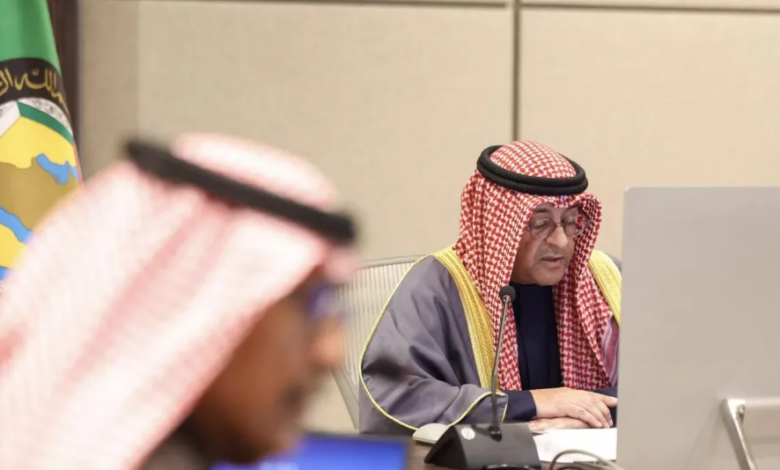
His Excellency Mr. Jassim Mohammed Al-Budaiwi, Secretary General of the Cooperation Council for the Arab States of the Gulf (GCC), affirmed the GCC states' firm and unwavering stance on maintaining security and stability in the region, emphasizing that turning the Gulf region into an arena for settling regional or international scores is completely unacceptable. These statements reflect the unified strategic vision of the GCC states, which places the security of the region and the safety of its people above all other considerations.
In elaborating on the Gulf position, Al-Budaiwi noted that the GCC states consistently strive to promote dialogue and diplomacy as the only viable path to resolving conflicts, rather than resorting to military escalation or political tensions that could destabilize the region. This emphasis comes at a time when the Middle East is witnessing rapidly escalating political and security challenges, necessitating a firm stance to prevent the region from sliding into conflicts that do not serve the interests of its people and to safeguard the significant developmental gains achieved by the Gulf states in recent years.
The strategic and economic importance of Gulf stability
The significance of the Secretary-General's statements stems not only from the political dimension but also from the global economic dimension. The Arabian Gulf region is a major energy artery for the world and a vital corridor for international trade. Any threat to the stability of this region or any attempt to make it an arena for proxy conflicts will have a direct and negative impact on global energy security and supply chains, potentially leading to serious economic repercussions that extend beyond regional boundaries to affect the entire international economy.
Historical background of GCC policy
Historically, since the establishment of the Gulf Cooperation Council (GCC), member states have adopted a political doctrine based on the principles of good neighborliness, non-interference in internal affairs, and respect for national sovereignty. This policy has proven effective over the decades in sparing the region the ravages of many surrounding wars and conflicts. Al-Badawi's remarks reflect a continuation of this inherited approach, which views the "collective security" of the Gulf states as indivisible, and the stability of any member state as a cornerstone for the stability of the entire system.
In conclusion, the call to prevent the Gulf from becoming an arena for settling scores is also a call for the international community to assume its responsibilities in supporting the stability of this vital region, and to push for de-escalation and reduction of tensions in hot regional issues, in order to ensure a safe and prosperous future for the region and the world.