Gaza Management Committee Meeting in Cairo: Details of Post-War Arrangements

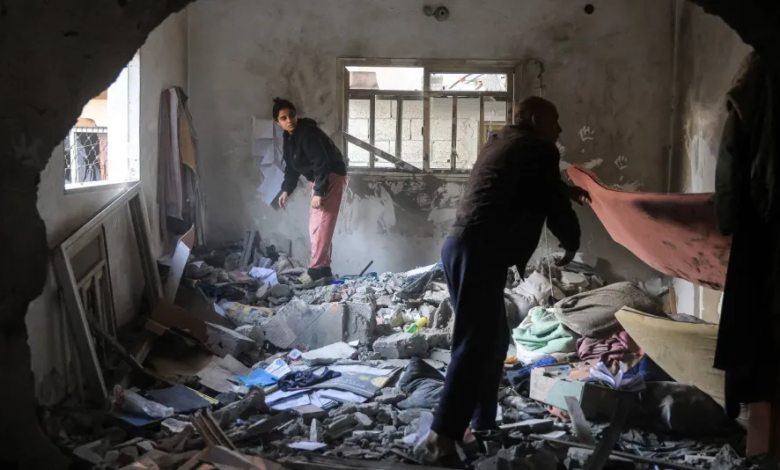
The first meeting of the "Gaza Management Committee," also known as the Community Support Committee, convened in the Egyptian capital, Cairo, as part of ongoing efforts to unify the Palestinian ranks and prepare for the post-war period. This meeting took place amidst an atmosphere of cautious optimism among the participating parties, as Palestinian factions, under Egyptian auspices, seek to reach a consensus formula that will ensure the unified and effective management of the Gaza Strip.
Context of the committee's formation and historical background
This meeting cannot be separated from the complex historical and political context of the Palestinian territories. Since the Palestinian division in 2007, the Gaza Strip has suffered from a duality of administrative standards and the absence of a unified central authority. The situation has deteriorated catastrophically following the outbreak of the recent war, making the formation of a nationally agreed-upon administrative body, operating under the umbrella of the Palestinian National Authority, all the more urgent. This is crucial to thwart any plans aimed at separating the Strip administratively or geographically from the West Bank.
The committee's tasks and its strategic importance
This committee is of paramount importance given the immense responsibilities it bears. It is expected to assume responsibility for managing the civil and daily affairs of the Gaza Strip's residents, including overseeing border crossings, distributing desperately needed humanitarian aid, and addressing health, education, and reconstruction issues. The committee's composition of professional and technocratic figures aims to overcome any political obstacles that Israel or international actors might place in the way of direct factional governance, thereby facilitating the flow of international support for the reconstruction of war-torn areas.
Egypt's role and regional dimensions
The convening of the meeting in Cairo reflects the pivotal role played by the Arab Republic of Egypt in the Palestinian issue. As the traditional mediator and primary guarantor, Cairo seeks to bridge the gap between Fatah and Hamas and ensure the existence of a unified Palestinian leadership that is internationally and regionally acceptable. Political circles view the success of this committee as a necessary first step toward creating the conditions for a comprehensive reconciliation and as a fundamental prerequisite for any future political arrangements related to a permanent ceasefire and the withdrawal of Israeli forces.
Future challenges and expectations
Despite the optimism surrounding the meeting, challenges remain. The most significant obstacles are the extent to which the international community and Israel will accept the committee's working mechanisms, as well as securing the necessary financial resources. Nevertheless, observers believe that the mere fact that the meetings have commenced and that dialogue is taking place is a positive indicator, reflecting the Palestinian leadership's awareness of the gravity of the situation and the urgent need to unify efforts to save the Gaza Strip from the ongoing humanitarian catastrophe.