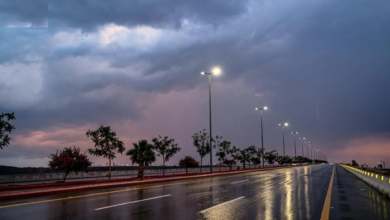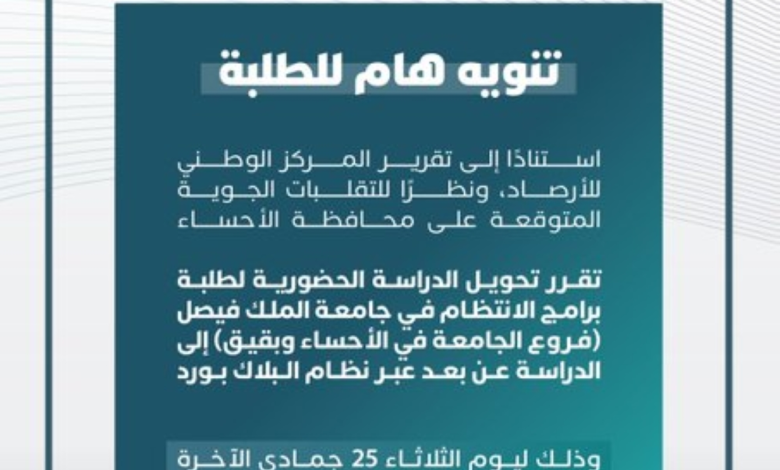

لليوم الثاني على التوالي، واستجابةً للتقارير الواردة من المركز الوطني للأرصاد حول استمرار الحالة المطرية وتقلبات الطقس، أعلنت الجهات المعنية في المملكة العربية السعودية تعليق الدراسة الحضورية ليوم غدٍ الثلاثاء الموافق 25 جمادى الآخرة 1447هـ (16 ديسمبر 2025م) في عدد من المناطق والمحافظات، وتحويل العملية التعليمية إلى نظام “التعليم عن بُعد” عبر المنصات الرسمية.
تفاصيل تعليق الدراسة في المنطقة الشرقية والرياض
شمل قرار تعليق الدراسة الحضورية كافة مدارس المنطقة الشرقية، بما في ذلك مدينة الدمام ومحافظات الخبر، القطيف، الجبيل، والبيضاء، بالإضافة إلى محافظة الأحساء وبقيق. كما امتد القرار ليشمل منطقة الرياض، حيث تقرر تحويل الدراسة إلى منصة “مدرستي” للطلاب والطالبات، ومنصة “روضتي” لمرحلة رياض الأطفال، وذلك حرصاً على سلامة الجميع في ظل التوقعات بهطول أمطار غزيرة وجريان السيول في بعض الأودية والشعاب.
الجامعات والتدريب التقني ينضمان للقرار
وفي سياق متصل، أعلنت المؤسسة العامة للتدريب التقني والمهني بالمنطقة الشرقية تعليق التدريب الحضوري في جميع منشآتها بمدن الدمام والخبر والقطيف، واستمرار التدريب عن بُعد للفترتين الصباحية والمسائية. كما اتخذت الجامعات خطوات مماثلة، حيث أقرت جامعة الإمام عبدالرحمن بن فيصل، وجامعة الملك فيصل بالأحساء، والكلية الجامعية بالنعيرية التابعة لجامعة حفر الباطن، تحويل المحاضرات النظرية إلى نظام “البلاك بورد” والأنظمة الإلكترونية المعتمدة، مع استثناء الكوادر الإدارية والفنية في بعض الجهات وفقاً لطبيعة العمل.
البنية الرقمية والتحول في التعليم السعودي
يأتي هذا التحول السلس نحو التعليم الإلكتروني كثمرة للاستثمار الضخم الذي ضخته المملكة العربية السعودية في البنية التحتية الرقمية ضمن مستهدفات رؤية 2030. وقد أثبتت منصة “مدرستي” والمنصات الجامعية كفاءة عالية في ضمان استمرار العملية التعليمية دون انقطاع خلال الأزمات أو الظروف الجوية القاسية. وتُعد هذه المرونة في الانتقال بين التعليم الحضوري وعن بُعد نموذجاً يحتذى به إقليمياً، حيث تضمن الوزارة عدم تأثر التحصيل العلمي للطلاب بالمتغيرات المناخية.
أولوية السلامة ودور الأرصاد
تولي الجهات الحكومية في المملكة أولوية قصوى لسلامة الأرواح والممتلكات، حيث يعمل المركز الوطني للأرصاد على مدار الساعة لإصدار تنبيهات مبكرة حول الحالات الجوية، مما يمكن صناع القرار في وزارة التعليم والجهات الأخرى من اتخاذ الخطوات الاستباقية المناسبة. وتتزامن هذه القرارات عادة مع تحذيرات الدفاع المدني التي تدعو المواطنين والمقيمين إلى توخي الحيطة والحذر، والابتعاد عن أماكن تجمع السيول والمستنقعات المائية، والالتزام بالتعليمات المعلنة عبر وسائل الإعلام الرسمية لضمان سلامة الجميع.