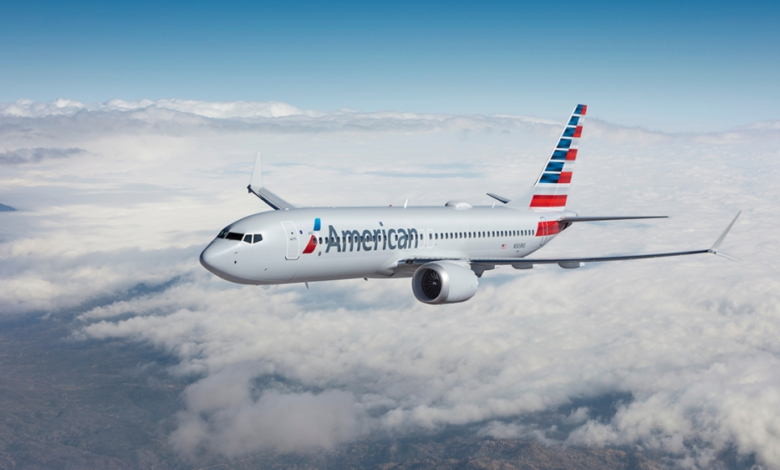

A historic step in the Caribbean sky
In a significant diplomatic development, the first direct flight from the United States to Venezuela in nearly seven years took off Thursday morning. The Envoy Air plane, a regional subsidiary of American Airlines, departed from Miami International Airport bound for the Venezuelan capital, Caracas, marking a new chapter in the strained relations between the two countries. The flight carried a number of officials and business leaders, and garnered extensive media coverage, reflecting the considerable importance of the event.
Background to the long hiatus: Years of political tension
The suspension of flights was not a random decision, but rather a direct result of deteriorating diplomatic relations between Washington and Caracas. In May 2019, the administration of former US President Donald Trump imposed a blanket ban on all passenger and cargo flights between the two countries. This decision came at the height of the political crisis in Venezuela, where the United States had imposed crippling economic sanctions on the government of President Nicolás Maduro and recognized opposition leader Juan Guaidó as the country's interim president. The ban was based on safety and security concerns at Venezuelan airports, effectively isolating Venezuela from the United States by air and causing significant hardship for citizens, businesspeople, and families with ties to both countries.
The importance and expected effects of this step
The resumption of this air bridge comes in a different context, as President Joe Biden's administration has begun to adopt a more pragmatic approach. While this first flight is primarily for specific purposes related to recent agreements between the two countries, it carries broader implications.
- On the diplomatic front, this trip signals behind-the-scenes dialogue between the two administrations and could mark the beginning of a de-escalation of tensions. This move coincides with a temporary easing of some US sanctions on Venezuela's oil sector, suggesting a "step-by-step" strategy that Washington may be pursuing.
- On the humanitarian and economic front, the resumption of flights, even if initially limited, opens the door to reuniting families separated for years. It also sends a positive message to the business community, which is eager to explore opportunities again in Venezuela, home to the world's largest oil reserves. In the long term, the normalization of air traffic could help revive the tourism and trade sectors and facilitate the delivery of humanitarian aid.
- On a regional level: This move is seen as part of an American attempt to realign its policy in Latin America and deal with pressing challenges such as the migration crisis, given that Venezuela is a major source of migrants in the region.
While relations between the United States and Venezuela remain complex and challenging, the resumption of direct flights between the two countries is a glimmer of hope and a symbolic step that could pave the way for further thaw in the future.