Al-Haqil: Targeting 367,000 beneficiaries in the third phase of housing support

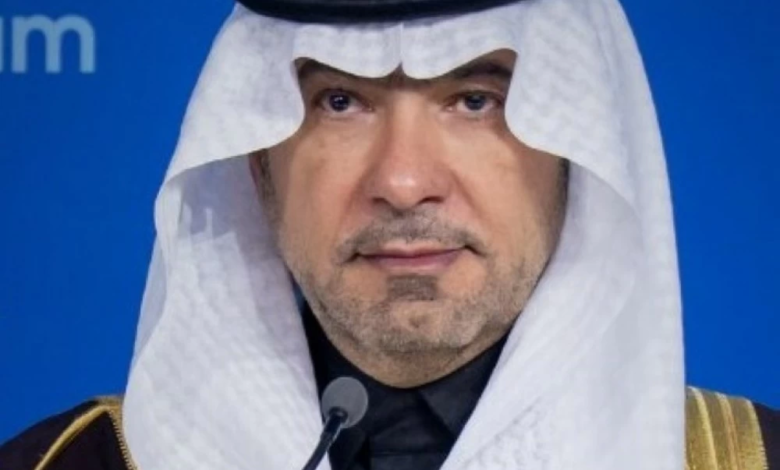
Minister of Municipalities and Housing, Majid Al-Hogail, confirmed significant progress in the housing sector in the Kingdom of Saudi Arabia, announcing that the rate of homeownership among citizens exceeded 66% by 2025. This reflects the success of the strategic plans developed by the Ministry in line with the objectives of the Kingdom's Vision 2030. Al-Hogail explained that the housing support program, which is one of the main pillars of the housing system, has served more than one million beneficiaries so far, which has directly contributed to strengthening family and social stability.
Targets of the third phase of “Sakani”
In discussing future plans, the Minister revealed details of the third phase of the housing support program, which aims to reach a broad segment of the population, estimated at over 367,000 new beneficiaries. This ambitious step comes within the framework of the ongoing efforts to achieve the strategic goal of raising the rate of homeownership among Saudi families to 70% by 2030. This phase relies on diverse financing and housing solutions that meet the needs of various segments of society, with a focus on the sustainability of support and enhancing the efficiency of the real estate market.
Riyadh: A major real estate investment destination
During his speech at the “Future Real Estate Forum,” Al-Hogail highlighted the promising investment opportunities in the capital, noting that Riyadh is witnessing unprecedented urban development. The minister predicted that more than 300,000 new housing units would be added to the Riyadh market over the next three years, supported by the availability of over 100 million square meters of land ready for development and equipped with the necessary infrastructure. This expansion comes in response to the capital's rapid population and economic growth, in line with Riyadh's strategy to become one of the world's largest urban economies.
Market maturity and opening up ownership to foreigners
Regarding the issue of opening the real estate market to foreign ownership, Al-Haqil explained that the Saudi government has handled this matter wisely and gradually, ensuring that the market was not opened until it was fully mature and ready in terms of legislation and regulations. He affirmed that the real estate system today, under the leadership of His Royal Highness the Crown Prince, is fully integrated and operates according to clear regulations that enhance trust and transparency. He indicated that allowing foreign ownership of real estate will open up broad horizons for local and international developers and contribute to attracting foreign direct investment, while ensuring that citizens' priority in housing is maintained and that real estate prices within cities remain stable.
The context of national transformation and the impact of the real estate sector
It is worth noting that the housing sector in the Kingdom has undergone a radical transformation since the launch of Vision 2030, moving from a phase of challenges and supply shortages to one of abundance and diversity in housing products. Effective partnerships between the public and private sectors have contributed to accelerating the pace of construction and developing integrated residential suburbs that prioritize quality of life. Today, the real estate sector is a key driver of the non-oil economy, contributing to the creation of thousands of jobs and stimulating dozens of construction-related industries, thus strengthening the national economy and diversifying its resources.