Saudi Arabia weather: Rain continues in Al-Jawf, affecting Sakaka and Dumat Al-Jandal

Weather warnings regarding the weather in the Al-Jawf region
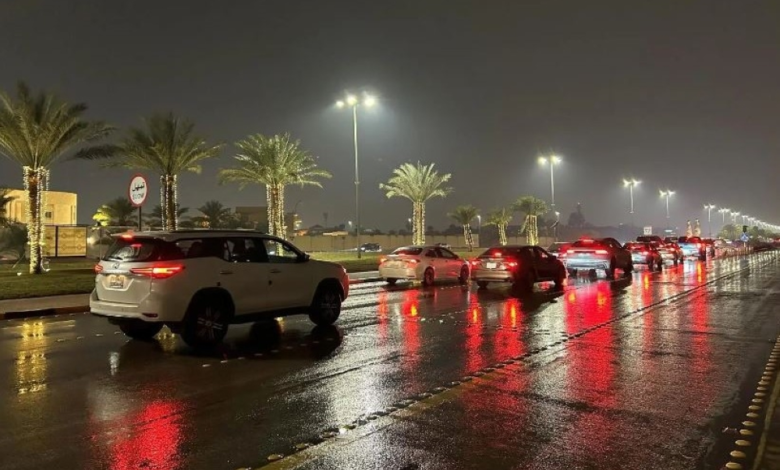
The National Center for Meteorology in Saudi Arabia issued an important weather alert, forecasting continued light to moderate rainfall across large parts of the Al-Jawf region. This forecast specifically includes the city of Sakaka and the governorate of Dumat Al-Jandal, as well as surrounding open areas and highways. This weather pattern is accompanied by several other weather phenomena that require vigilance and caution from citizens and residents.
The center explained in its report issued today that this rainy weather system will not be limited to rainfall alone, but will also be accompanied by significant surface wind activity, which may lead to dust storms and reduced horizontal visibility. The report also warned of the possibility of scattered thunderstorms. The center confirmed that these weather fluctuations are expected to continue until 11:00 AM this morning, Monday, necessitating continuous monitoring of updates issued by official authorities.
The historical and climatic context of the Al-Jawf region
Historically, the Al-Jawf region in northwestern Saudi Arabia has been known for its significant weather fluctuations during the transitional seasons. The region is characterized by a climate that tends to be cold in winter and relatively mild during periods of rainfall. This rainfall plays a vital role in replenishing the groundwater resources upon which the region heavily relies. The National Center for Meteorology's role complements the Kingdom's efforts within the framework of Saudi Vision 2030 to develop early warning systems to mitigate natural hazards and protect lives and property.
Local and regional impact of rainfall
At the local and regional levels, the rainfall in Al-Jawf is of paramount economic and agricultural importance. The Al-Jawf region, particularly Sakaka and Dumat Al-Jandal, is a vital food basket for the Kingdom and is renowned for its millions of olive and date palm trees. This light to moderate rainfall helps wash the trees, improves soil quality, and reduces reliance on artificial irrigation, which positively impacts the quality of agricultural crops exported throughout the Kingdom and to some neighboring countries.
On the other hand, these conditions pose challenges to public safety. The General Directorate of Civil Defense consistently emphasizes the need to stay away from water accumulations, valleys, and dams, especially in open areas near Dumat al-Jandal and Sakaka. The General Directorate of Traffic also urges drivers to exercise extreme caution while driving on highways connecting Al-Jawf to the rest of the Kingdom, due to reduced visibility and the risk of landslides caused by the rain.
Weather summary
In conclusion, the continued rainfall in the Al-Jawf region is a natural phenomenon that brings prosperity and growth to this historically significant agricultural area. However, it also requires community awareness and a serious approach to official warnings. Adhering to the instructions of the National Center for Meteorology and Civil Defense remains the best way to enjoy this wonderful winter weather safely and securely.