
خطة استباقية لضمان سلامة الحجاج
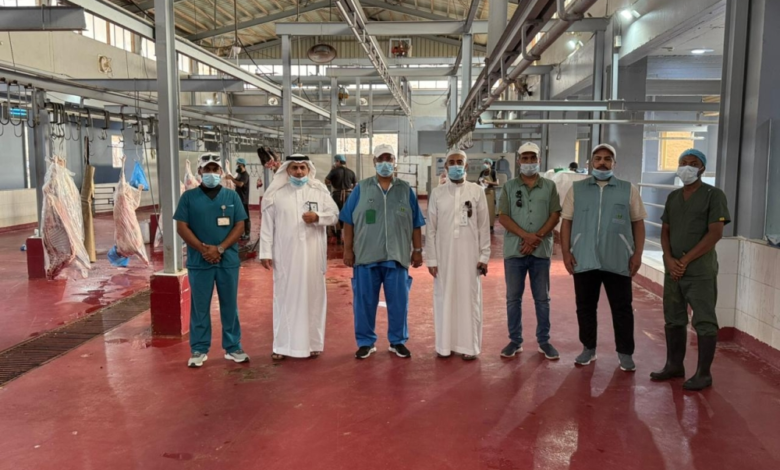
في إطار الاستعدادات المبكرة لموسم حج عام 1447هـ، أطلق مكتب وزارة البيئة والمياه والزراعة في محافظة الجموم خطة رقابية شاملة ومبكرة على مسلخ المحافظة. تهدف هذه الخطة الاستباقية إلى ضمان سلامة وجودة اللحوم التي تُقدم لضيوف الرحمن، وتطبيق أعلى المعايير الصحية والبيئية المعتمدة، بما ينسجم مع التزام المملكة بتقديم أفضل الخدمات للحجاج.
وتأتي هذه التحركات الميدانية المكثفة كجزء من منظومة متكاملة من الجهود التي تبذلها الوزارة لتعزيز الرقابة الصحية ورفع مستوى الجاهزية لاستقبال الملايين من حجاج بيت الله الحرام. وتشمل الجولات الإشرافية التأكد من التزام مسلخ الجموم بكافة الاشتراطات الفنية والصحية المعتمدة للتشغيل، بدءاً من الكشف على المواشي قبل الذبح، ومروراً بعمليات الذبح والتقطيع، وانتهاءً بمراحل الحفظ والتوزيع.
السياق التاريخي وأهمية سلامة الغذاء في الحج
تولي المملكة العربية السعودية، على مر تاريخها، أهمية قصوى لخدمة حجاج بيت الله الحرام، وتعتبر سلامتهم وصحتهم على رأس أولوياتها. وتعد إدارة الحشود وتوفير الغذاء الآمن لملايين الحجاج تحدياً لوجستياً هائلاً، تطورت أساليب التعامل معه بشكل كبير عبر العقود. إن ضمان سلامة الغذاء لا يقتصر على كونه إجراءً وقائياً، بل هو جزء أساسي من الأمن الصحي العالمي، حيث يمنع تفشي الأمراض المنقولة عبر الغذاء والتي يمكن أن تنتشر بسرعة في التجمعات الكبيرة وتنتقل مع الحجاج العائدين إلى بلدانهم. وتقع محافظة الجموم، بحكم موقعها الجغرافي القريب من مكة المكرمة، في قلب هذه المنظومة اللوجستية، حيث تعد ممراً حيوياً ومورداً رئيسياً للمواد الغذائية للعاصمة المقدسة خلال موسم الحج.
التأثير المحلي والدولي للرقابة الصحية
تمتد أهمية هذه الإجراءات الرقابية لتتجاوز النطاق المحلي. فعلى الصعيد المحلي، تساهم في حماية الصحة العامة للمواطنين والمقيمين، وترفع من مستوى الوعي بالمعايير الصحية لدى المنشآت الغذائية. أما على الصعيد الدولي، فإن نجاح المملكة في تأمين غذاء صحي وآمن لملايين الحجاج يعزز من مكانتها وسمعتها كدولة قادرة على إدارة وتنظيم أكبر تجمع ديني في العالم بكفاءة واقتدار. وأوضح مدير مكتب الوزارة بمحافظة الجموم، صالح آل رغيب، أن هذه الأعمال تُنفذ بتوجيهات ومتابعة مباشرة من مدير عام فرع الوزارة بمنطقة مكة المكرمة، المهندس وليد آل دغيس، مما يؤكد على مركزية هذه الجهود وأهميتها الاستراتيجية.
رقابة محكمة واستمرارية الجهود
أكد آل رغيب أن الإدارة العامة بالمنطقة تتابع عن كثب كافة أعمال الرقابة الميدانية على الأسواق والمسالخ طوال موسم الحج، مشيراً إلى وجود توجيهات واضحة برفع مستوى الامتثال للاشتراطات الصحية وتكثيف الجولات الرقابية لضبط أي تجاوزات أو مخالفات قد تؤثر على سلامة الغذاء. وأضاف أن هذه الجهود المكثفة تنسجم مع مستهدفات الوزارة الاستراتيجية لتعزيز حماية المستهلك، وتقديم أرقى الخدمات لضيوف الرحمن، بما يضمن لهم أداء مناسكهم في بيئة صحية وآمنة.