
Saudi Arabia welcomes the ceasefire agreement between America and Iran
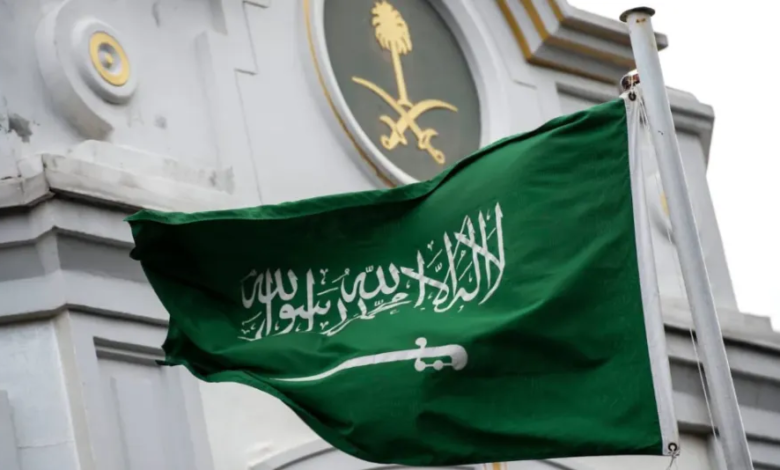
The Kingdom of Saudi Arabia expressed its strong support for the agreement reached between the United States of America and the Islamic Republic of Iran to cease hostilities and de-escalate tensions. This stance stems from Riyadh's unwavering commitment to supporting all diplomatic efforts aimed at strengthening international peace and security and sparing the Middle East region further conflicts and tensions that hinder development and prosperity.
The historical context of the tensions and diplomatic efforts
Historically, US-Iranian relations have been marked by decades of persistent tension, from the hostage crisis and deep disagreements over Iran’s nuclear program to crippling economic sanctions and proxy conflicts in several regional arenas. These tensions have cast a long shadow over the security of the Arabian Gulf region and the Middle East as a whole. In this context, Saudi Arabia has consistently pursued a balanced foreign policy that advocates for respect for national sovereignty and good neighborliness, as clearly demonstrated by the landmark 2013 agreement brokered by China to resume diplomatic relations between Riyadh and Tehran, paving the way for a more stable regional environment and greater receptiveness to de-escalation initiatives.
Local significance and alignment of the agreement with Vision 2030
Domestically, Saudi Arabia’s welcoming of this agreement directly reflects the priorities of Vision 2030. The Saudi leadership fully understands that achieving ambitious economic goals, attracting foreign investment, and developing mega-projects requires a stable geopolitical environment free from military conflict. Any military escalation in the region would threaten these gains, and therefore, supporting ceasefire agreements is a cornerstone of the Kingdom’s national strategy.
Regional impact on Middle East security
Regionally, this agreement is of paramount importance to the Middle East. The ceasefire between Washington and Tehran is expected to help de-escalate several conflict zones, including those in Yemen, Syria, Iraq, and Lebanon. Furthermore, de-escalation will enhance maritime security in vital waterways such as the Strait of Hormuz, the Bab el-Mandeb Strait, and the Red Sea—channels upon which countries in the region and the world depend for energy exports and imports of essential goods.
International repercussions and the stability of energy markets
Internationally, this development has been met with widespread positive reactions, particularly in global energy markets. The stability of the Arabian Gulf region, home to the world's largest oil and gas reserves, ensures the uninterrupted flow of energy supplies, contributing to price stability and protecting the global economy from further inflationary shocks. Moreover, the success of diplomacy in defusing the crisis between the United States and Iran offers the international community hope that complex conflicts can be resolved through dialogue and negotiation rather than military force.
Summary of the Saudi position
In conclusion, the Kingdom of Saudi Arabia, through this firm stance, reaffirms its leading and pivotal role as a bulwark of stability in the region. Riyadh continues to call upon the international community and all relevant parties to build upon this agreement and work diligently towards finding comprehensive and sustainable political solutions that guarantee the region's freedom from weapons of mass destruction and establish a new era characterized by cooperation and shared development, rather than confrontation and destruction.