
Introduction to targeting energy facilities in Saudi Arabia
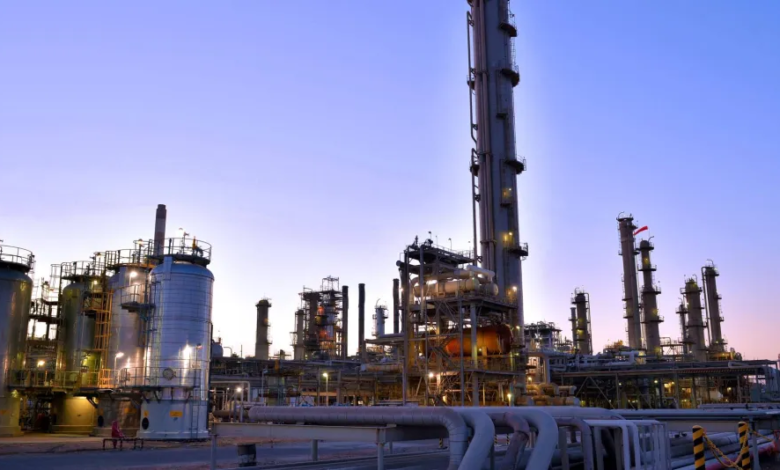
On several occasions, Saudi Arabia has witnessed official announcements of operational disruptions at some of its energy facilities due to terrorist attacks using drones or ballistic missiles. These events are among the most significant developments that have captured global attention, given the Kingdom's strategic position as the world's largest exporter of crude oil and its pivotal role in stabilizing global energy markets. Even temporary disruptions send a message of concern to international markets and underscore the need to protect global energy supplies from ongoing threats.
General context and historical background of the targeting
Historically, vital Saudi energy facilities have been targeted in several attacks, most notably the September 2019 attack on Aramco's Abqaiq and Khurais facilities. That attack temporarily halted nearly half of the Kingdom's oil production, equivalent to approximately 5.7 million barrels per day. Despite the severity of the event, Saudi Arabia demonstrated a remarkable ability to recover quickly and restore operations to normal levels in record time, reinforcing its reliability as a secure energy supplier. Attacks targeting petroleum product distribution stations in various regions have been repeated in subsequent years, with Houthi militias often claiming responsibility for these attacks within the context of the ongoing regional conflict.
The importance of the event and its expected impact on the local level
Domestically, the Saudi government places great importance on protecting its national assets. Disruptions to energy facilities due to attacks trigger an immediate mobilization of security forces and the Ministry of Energy's emergency response teams. These teams work to contain any repercussions, assess the damage, and immediately implement business continuity plans. These events also prompt the Kingdom to strengthen its air defense systems and develop early warning technologies to protect critical infrastructure and ensure that domestic fuel and electricity supplies to citizens and industrial sectors remain unaffected.
Regional and international impact on energy markets
Regionally and internationally, the impact of targeting Saudi energy facilities extends far beyond the Kingdom's borders, reaching the very heart of the global economy. As soon as operational disruptions at energy facilities are announced, global oil markets experience immediate price volatility, with Brent crude rising due to fears of supply shortages. These attacks constitute a direct threat to global energy security, prompting widespread condemnation from the international community, including the United Nations and major powers. These entities consistently emphasize that targeting civilian and economic infrastructure violates international law and undermines efforts to achieve stability in the Middle East.
Summary and ongoing efforts to ensure stability
In conclusion, the Kingdom of Saudi Arabia remains committed to its leading role in meeting global energy demand despite security challenges. The disruption of operations at energy facilities due to attacks represents a true test of the resilience of the Saudi energy sector, a test the Kingdom has successfully overcome time and again. International and regional efforts continue to address these threats, ensuring the continued safe and stable flow of energy supplies and protecting the global economy from any potential shocks.