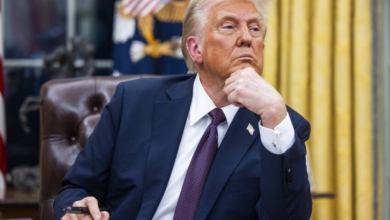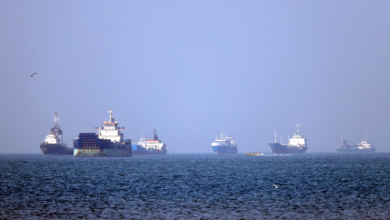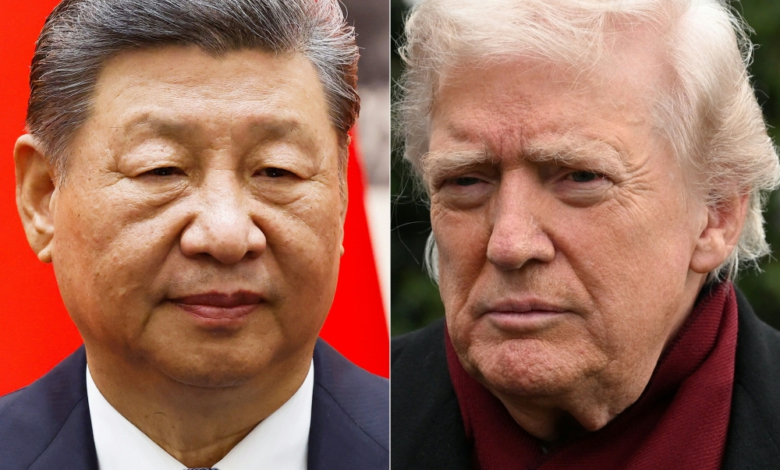

In a move reflecting escalating geopolitical tensions, former US President Donald Trump intends to exert significant pressure on his Chinese counterpart, Xi Jinping, during the upcoming summit in Beijing, aiming to persuade China to take a tougher stance against Iran. This effort is part of the Trump administration's "maximum pressure" strategy to isolate Tehran economically and diplomatically, as Washington views Beijing as playing a pivotal role in keeping the Iranian economy afloat.
Background to the tension: US maximum pressure policy
This confrontation has its roots in the Trump administration’s unilateral withdrawal from the Iran nuclear deal (the Joint Comprehensive Plan of Action) in 2018. Following the withdrawal, Washington reimposed crippling economic sanctions on Iran, primarily targeting its oil and banking sectors, with the aim of forcing Tehran to renegotiate a new agreement that would address its missile program and regional policies. To achieve this strategy, the United States sought to persuade or coerce countries around the world, including allies and adversaries, to cease their trade with Iran, particularly oil imports.
China's role as an economic partner of Iran
China is one of Iran’s largest trading partners and a major importer of its crude oil. Despite US sanctions, Beijing has maintained its economic ties with Tehran, deeming the US sanctions unilateral and lacking international legitimacy. US officials believe that China’s continued purchase of Iranian oil provides Tehran with a vital financial lifeline, undermining the effectiveness of the maximum pressure campaign. Furthermore, Washington accuses Beijing of supplying Iran with dual-use technologies and products that can be used for both civilian and military purposes, a matter of grave concern to the US administration.
The dimensions of the summit: Beyond the Iranian issue
The talks between Trump and Xi will not be limited to the Iranian issue. The summit coincides with a heated trade war between the world's two largest economies, with both sides imposing tariffs on billions of dollars' worth of goods. Trump is expected to use the Iranian issue as leverage in the trade negotiations, attempting to extract concessions from Beijing. The summit's agenda will also include other strategic issues such as the future of technology, competition in artificial intelligence, and intellectual property rights—all key points of contention between the two countries.
Expected effects of the summit
This summit is of paramount importance both regionally and internationally. If China yields to US pressure and significantly reduces its imports of Iranian oil, it will deal a devastating blow to the Iranian economy and could push Tehran toward further escalation in the region. Conversely, if Beijing rejects this pressure, it will bolster its image as an independent global power that refuses to submit to US dictates, but it could also lead to Washington imposing sanctions on Chinese companies dealing with Iran, further complicating already strained bilateral relations. Therefore, the outcome of the talks between the two leaders in Beijing will shape the global geopolitical landscape for years to come.