
مقدمة عن مركز الضبط الأمني بالشميسي
يُعد مركز الضبط الأمني بالشميسي، الواقع على طريق جدة – مكة المكرمة السريع، أحد أهم وأكبر البوابات الرئيسية المؤدية إلى العاصمة المقدسة. ومع اقتراب موسم الحج في كل عام، تتجه الأنظار نحو هذا المنفذ الحيوي الذي يشهد عبور مئات الآلاف من ضيوف الرحمن. وفي إطار سعي المملكة العربية السعودية لتقديم أفضل الخدمات، تم تزويد المركز بأحدث التقنيات والأنظمة الرقمية لضمان انسيابية الحركة وتوفير بيئة آمنة ومنظمة للحجاج، مما يعكس التزام القيادة بتسخير كافة الإمكانات لخدمة قاصدي بيت الله الحرام.
السياق العام والخلفية التاريخية
تاريخياً، كانت إدارة الحشود وتدقيق تصاريح الحج تعتمد بشكل كبير على الإجراءات الورقية والتدخل البشري المباشر، مما كان يؤدي في بعض الأحيان إلى تكدس المركبات وتأخير وصول الحجاج، خاصة في أوقات الذروة. ومع تطور البنية التحتية في المملكة والنمو المتزايد في أعداد الحجاج، برزت الحاجة الملحة للتحول نحو الحلول الذكية. وقد مر مركز الضبط الأمني بالشميسي بعدة مراحل من التطوير والتوسعة على مر العقود، ليتحول اليوم من مجرد نقطة تفتيش تقليدية إلى مجمع أمني ذكي ومتكامل، يعتمد على البيانات الضخمة والذكاء الاصطناعي في إدارة حركة المرور والتحقق من الهويات في ثوانٍ معدودة.
التقنيات والأنظمة الرقمية المستخدمة
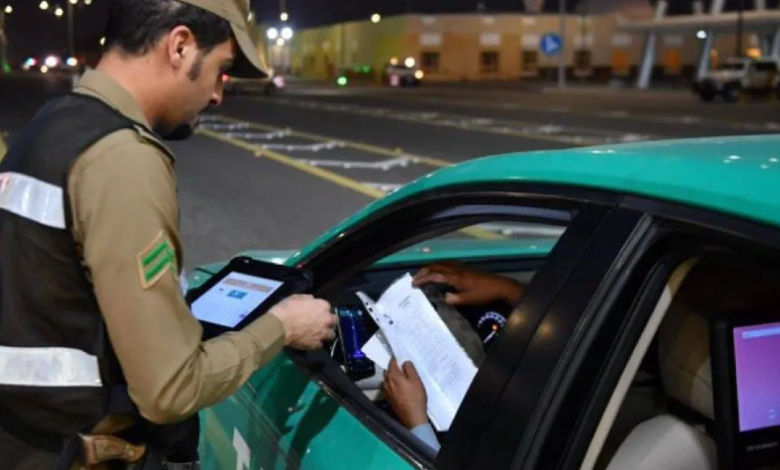
يشهد المركز اليوم توظيف حزمة من التقنيات المتقدمة التي أحدثت ثورة في مفهوم الأمن وإدارة الحشود. من أبرز هذه التقنيات استخدام الكاميرات الذكية المزودة بخاصية التعرف على الوجوه، وأنظمة القراءة الآلية للوحات المركبات التي ترصد السيارات المصرح لها بالدخول وتفرزها عن غيرها بشكل آلي. كما يتم استخدام أجهزة البصمة البيومترية المتنقلة، والتكامل التقني المباشر مع قواعد بيانات وزارة الداخلية عبر منصات مثل «أبشر» و«توكلنا». هذه الأنظمة الرقمية لا تقتصر مهمتها على تسريع الإجراءات فحسب، بل تلعب دوراً حاسماً في كشف التصاريح المزورة ومنع مخالفي أنظمة الحج من التسلل إلى المشاعر المقدسة.
أهمية الحدث وتأثيره المتوقع
التأثير المحلي
على الصعيد المحلي، يسهم التطور التقني في مركز الضبط الأمني بالشميسي في رفع مستوى الكفاءة التشغيلية للجهات الأمنية والتنظيمية. فهو يقلل من العبء البدني على رجال الأمن، ويمنع التكدس المروري على مداخل مكة المكرمة، مما يضمن وصول الحجاج النظاميين إلى مساكنهم والمشاعر المقدسة بيسر وسهولة. كما أن إحكام السيطرة الأمنية يمنع ظاهرة الحج غير النظامي، والتي كانت تشكل عبئاً كبيراً على الخدمات الصحية واللوجستية المخصصة للحجاج النظاميين وتؤثر على جودة الخدمات المقدمة لهم.
التأثير الإقليمي والدولي
إقليمياً ودولياً، يبعث هذا التنظيم الدقيق برسالة طمأنينة إلى كافة الدول الإسلامية بأن حجاجهم في أيدٍ أمينة، وأن المملكة تولي سلامتهم أولوية قصوى. كما أن نجاح السعودية في توظيف التقنيات الرقمية لإدارة ملايين البشر في مساحة جغرافية محدودة ووقت زمني قصير، يجعل من تجربتها نموذجاً عالمياً يُحتذى به في إدارة الحشود والتجمعات البشرية الكبرى. هذا النجاح يعزز من مكانة المملكة الريادية ويعكس التقدم الملموس في تحقيق مستهدفات رؤية السعودية 2030، التي تهدف إلى إثراء التجربة الدينية وتيسير استضافة المزيد من المعتمرين والحجاج وفق أعلى معايير الجودة والأمان.