Rodriguez responds to Trump after Maduro's arrest: We will protect our resources

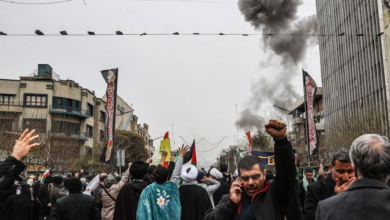
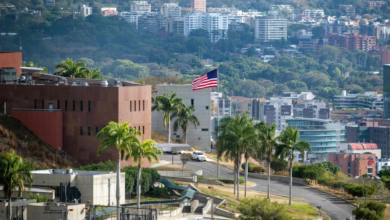
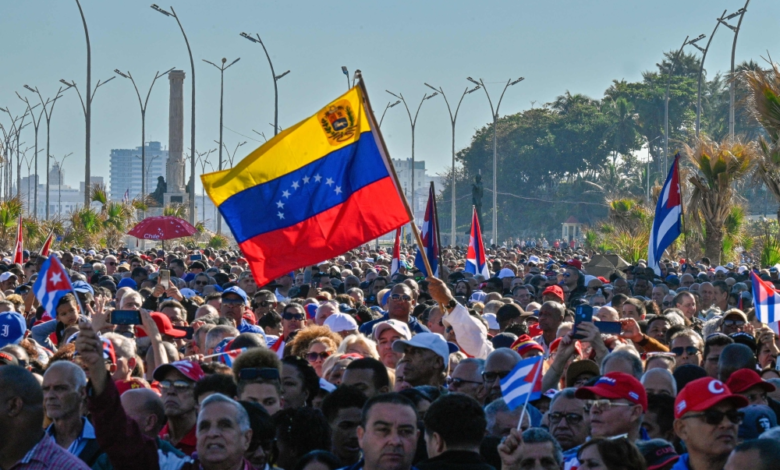
In the first firm official response from Caracas following the recent dramatic developments, Venezuelan Vice President Delcy Rodriguez announced that her country's government and ruling party are "fully prepared to defend" national sovereignty, following the U.S. military raid carried out at dawn on Saturday that resulted in the arrest of President Nicolas Maduro and his wife Cilia Flores.
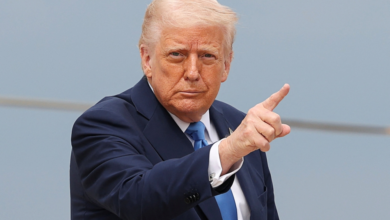
Rodriguez's remarks, delivered in a defiant televised address, came in response to US President Donald Trump's statements suggesting Washington's intention to "manage" Venezuela and exploit its vast oil reserves. "We are ready to defend Venezuela, we are ready to defend our natural resources against any foreign ambitions," Rodriguez declared sharply, emphasizing that Venezuelan wealth belongs to the people alone and is not spoils for foreign powers.
Dimensions of the conflict over resources and energy
Rodriguez's remarks take on particular significance given Venezuela's economic and geopolitical context. Venezuela possesses the world's largest proven oil reserves, concentrated primarily in the Orinoco Belt. These oil riches have long been a source of tension between Caracas and Washington, with the Venezuelan government accusing the United States of seeking to control these resources under the guise of democracy and human rights. Trump's talk of "managing" the country reinforces the ruling United Socialist Party's fears that the true objective of the military operation is to seize control of the nation's energy assets.
Maduro... the legitimate and only president
In reaffirming its legitimacy, the Vice President stressed that Nicolás Maduro, who was taken into custody by US forces, remains the "sole" and legitimate president of the country under the Venezuelan Constitution. Rodríguez demanded the immediate and unconditional release of him and his wife by the US administration, asserting that their detention constitutes a flagrant violation of international norms and the sovereignty of independent states.
A history of tension and potential repercussions
This event cannot be separated from the tense historical context of US-Venezuelan relations, which began under the late President Hugo Chávez and intensified under Maduro. Washington has imposed a long series of crippling economic sanctions on Caracas, accusing its officials of involvement in corruption and drug trafficking—accusations that Washington has repeatedly used to justify its pressure.
Observers believe that arresting a sitting head of state sets a dangerous precedent that could lead to widespread regional and international repercussions, potentially plunging Latin America into a wave of political instability and provoking Venezuela’s international allies, who may see this move as a threat to the international order based on respect for sovereignty.