
Introduction: Cautious anticipation in the corridors of Al-Ula Club
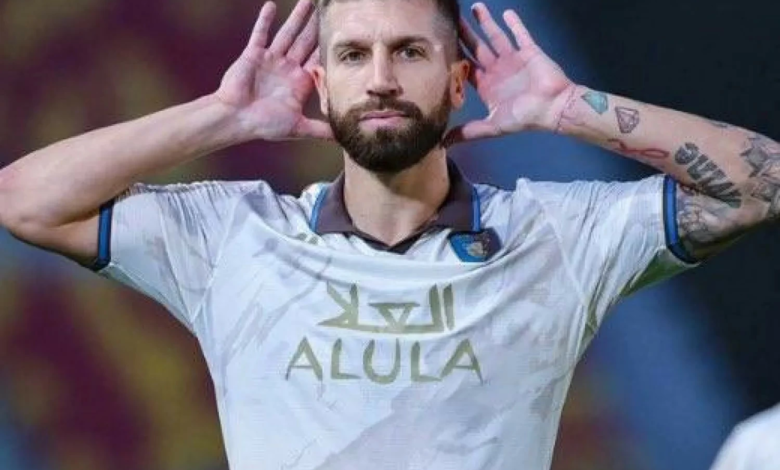
The Saudi sports scene, and specifically the Al-Ula club management, is experiencing a state of intense anticipation, with every minute and hour counting. This tension stems from the complex legal crisis the club is facing, as the management eagerly awaits the official details of the Saudi Arabian Football Federation's Appeals Committee's decision. This decision, issued about a month ago, dramatically altered the situation by accepting Al-Wahda's appeal and upholding Al-Ula's violation regarding the eligibility of Serbian professional player Matija Nastasic. This overturned the initial ruling by the Disciplinary and Ethics Committee, which had upheld the player's eligibility to participate in the match between the two teams in the Yellow League.
General context and historical development of Al-Ula Club
To understand the magnitude of this crisis, one must consider the broader context and the rapid historical development of Al-Ula Club. Within the framework of the comprehensive sporting renaissance underway in the Kingdom, the club has received significant support to meet expectations, enabling it to attract prominent international players such as Serbian defender Matija Nastasić, who boasts extensive experience in European football with major clubs like Manchester City and Schalke. This sporting momentum has placed Al-Ula Club in the spotlight, and consequently, any legal or administrative setback directly impacts the team's progress and its ambitions to compete strongly in domestic tournaments.
Administrative obstacles and the move towards the Sports Arbitration Center
In light of these developments, Al-Ula Club's management resolved to escalate the matter and appeal directly to the Saudi Center for Sports Arbitration, aiming to overturn the Appeals Committee's decision and demand the implementation of the initial Disciplinary Committee ruling, which vindicated the club and confirmed the legality of its player's participation. However, the management currently finds itself legally trapped and powerless, due to the Appeals Committee's failure to provide the reasoning behind its decision. Adding insult to injury, according to private sources, the committee has completely ignored all official communications and correspondence sent by Al-Ula Club's management, whether via text message or email. This has paralyzed the legal proceedings and clearly obstructed the club's pursuit of its legitimate rights and entitlements.
Legal opinion: Time limits and procedures
Legally, legal advisor Dr. Hassan Radif revealed detailed information regarding the regulations and procedures applicable in such cases. He explained that the Disciplinary and Ethics Committee's decisions are usually issued either with supporting reasons and justifications, or as a simple decision without explanation. In the latter case, the law guarantees the affected club the right to formally request the reasons for the decision in order to appeal it, within a strict timeframe not exceeding three days from the date of notification. Once the justifications are received, the club is granted two days to submit the appeal request, followed by an additional three days to submit memoranda and detailed justifications to the Appeals Committee. Regarding the timeframe within which the Appeals Committee must issue its decision, Dr. Radif indicated that the general regulations do not specify a fixed deadline for issuing decisions, except in knockout matches, where the committee is obligated to issue its ruling before the team's next match.
The expected impact of the crisis on the sports scene
This crisis has significant implications at the local level. Delays in resolving sports-related cases and a lack of transparency in communication between judicial committees and clubs could create instability in the competition schedule and compromise the fairness of the tournament. Furthermore, resolving the Al-Ula club case and the eligibility of player Nastasic will set an important legal precedent that could be used in similar future cases in Saudi football, underscoring the need to expedite sports litigation to align with the high level of professionalism sought by the Saudi Arabian Football Federation.